Understand any stock in simple English
Enter a ticker to learn what the company does and how it makes money.
Shanghai International Port (Group) Co., Ltd.
It runs the giant port of Shanghai, loading and unloading ships and moving cargo for global trade.
Shanghai International Port runs the docks where the world's goods come and go. Its main job is moving containers — the big steel boxes that carry almost everything you buy — on and off ships at Shanghai, the busiest container port on the planet. Shippers and shipping lines pay it to load, unload, store, and shuffle cargo, and it also handles bulk goods like coal and ore and offers logistics services on top.
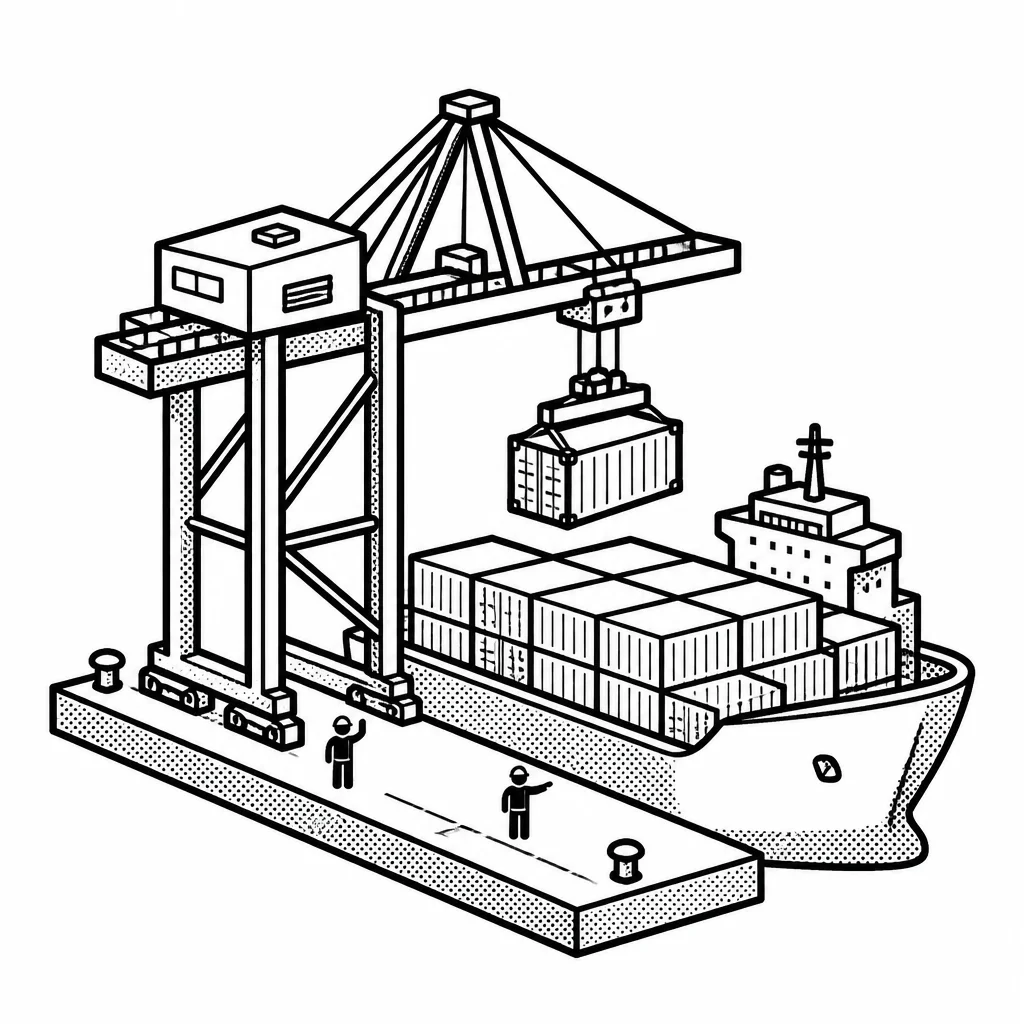
The container business is the heart of it. Shipping lines such as Maersk and COSCO bring their giant vessels into Shanghai, and the port's cranes and crews move thousands of boxes per ship in a matter of hours. The port earns money through terminal handling fees on every box, plus storage charges when containers sit waiting and logistics fees for moving cargo inland. Customers choose Shanghai because it sits at the mouth of the Yangtze River, the gateway to China's industrial heartland, and because its scale lets it turn ships around fast. There is a nice bit of history here. The company was once the Shanghai Port Authority, a government body, before it was reorganized and listed on the Shanghai Stock Exchange in 2000. That legacy matters: the port still operates as a quasi-public infrastructure business, backed by the state but run to make money. Its terminals have steadily added automation, and the port has invested heavily in new deep-water facilities and smart systems to keep up with rival hubs like Shenzhen — a competitor's name, but skip the marker since the parent, China Merchants Port, is the listed entity — and Singapore.
The business is remarkably steady because global trade keeps flowing through it, but that is also its weakness: when trade slows or tariffs bite, shipping volumes dip and profits with them. The port throws off a lot of cash, which it largely returns to shareholders through dividends rather than chasing flashy acquisitions. It is a toll booth on world trade, and as long as goods keep moving, the tolls keep coming.
Saved answer · last researched 12 Nov 2026