Understand any stock in simple English
Enter a ticker to learn what the company does and how it makes money.
Seatrium Limited
Seatrium builds and repairs ships, rigs, and offshore energy equipment for oil, gas, and renewable energy customers around the world.
Seatrium is a shipyard and offshore engineering company. It builds and repairs the giant floating machines the energy industry relies on — oil rigs, production vessels, offshore wind installation ships — and it fixes commercial ships when they come in for maintenance. Most of us never see its work, but a lot of the world's offshore oil and gas runs on equipment that passed through its yards.
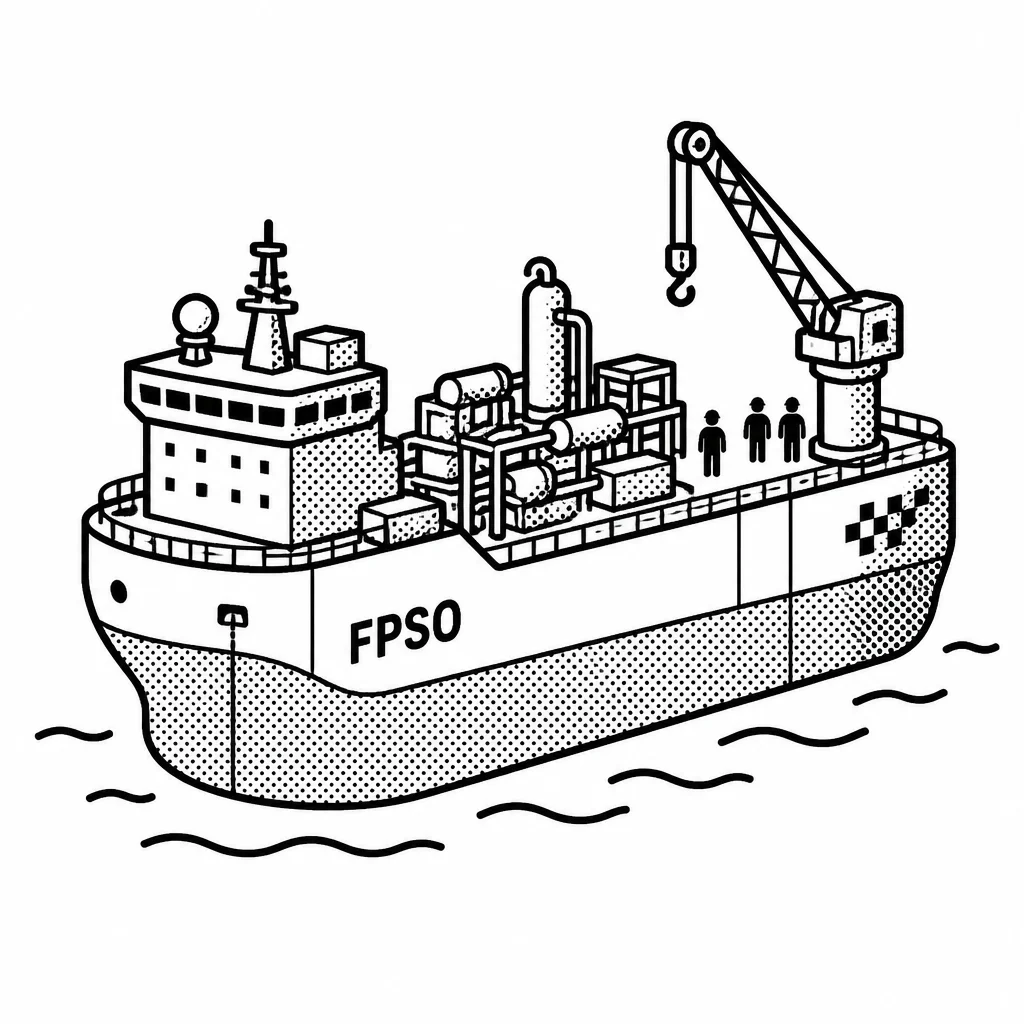
The business has two main halves. One is repairs and upgrades, a steady, cash-generating operation where shipowners bring vessels in for scheduled work; this is the dependable base that keeps the yards busy. The other is newbuild and offshore construction, where Seatrium designs and builds complex projects like floating production units and offshore wind foundations. That second half is the interesting part — big contracts, big money, but also lumpy and risky, because projects can run over budget or get delayed. Customers are mostly oil majors, national energy companies, and shipowners, and they pick Seatrium for its engineering muscle and its yard capacity across Singapore, China, and Brazil. Seatrium was formed in 2023 when Sembcorp Marine merged with Keppel Offshore & Marine, combining two of Singapore's oldest offshore yards into one much larger player. The timing was rough: the offshore oil business had been through a brutal downturn, and the merger was partly a survival move to cut costs and reduce excess yard capacity. The combined company then spent its early years cleaning up legacy projects and rebuilding its balance sheet. The bet now is on offshore wind — the same engineering skills that build oil rigs translate reasonably well to wind turbine foundations and installation vessels, and that is where a lot of the growth is expected to come from.
The honest picture is a cyclical, capital-hungry business with thin margins that depends on energy companies deciding to spend money. When oil prices are high, orders flow; when they crash, the yards sit idle and projects turn into losses. Seatrium's scale helps — it is one of the largest offshore and marine engineering groups in the world — and the offshore wind shift gives it a growth story. But it is not a software company; profits swing with the energy cycle, and the market watches its order book and project execution closely.
Saved answer · last researched 12 Nov 2026