Understand any stock in simple English
Enter a ticker to learn what the company does and how it makes money.
Chailease Holding Company Limited
Chailease lends money and leases equipment to small and medium-sized businesses that banks often find too small or too risky to serve.
Chailease is a lender built for the businesses that big banks tend to overlook. Across Taiwan, China, and Southeast Asia, it provides leasing, installment sales, factoring, and direct financing to small and medium-sized enterprises — the thousands of little manufacturers, trucking firms, and machine shops that need equipment but can't easily walk into a bank and get a loan.
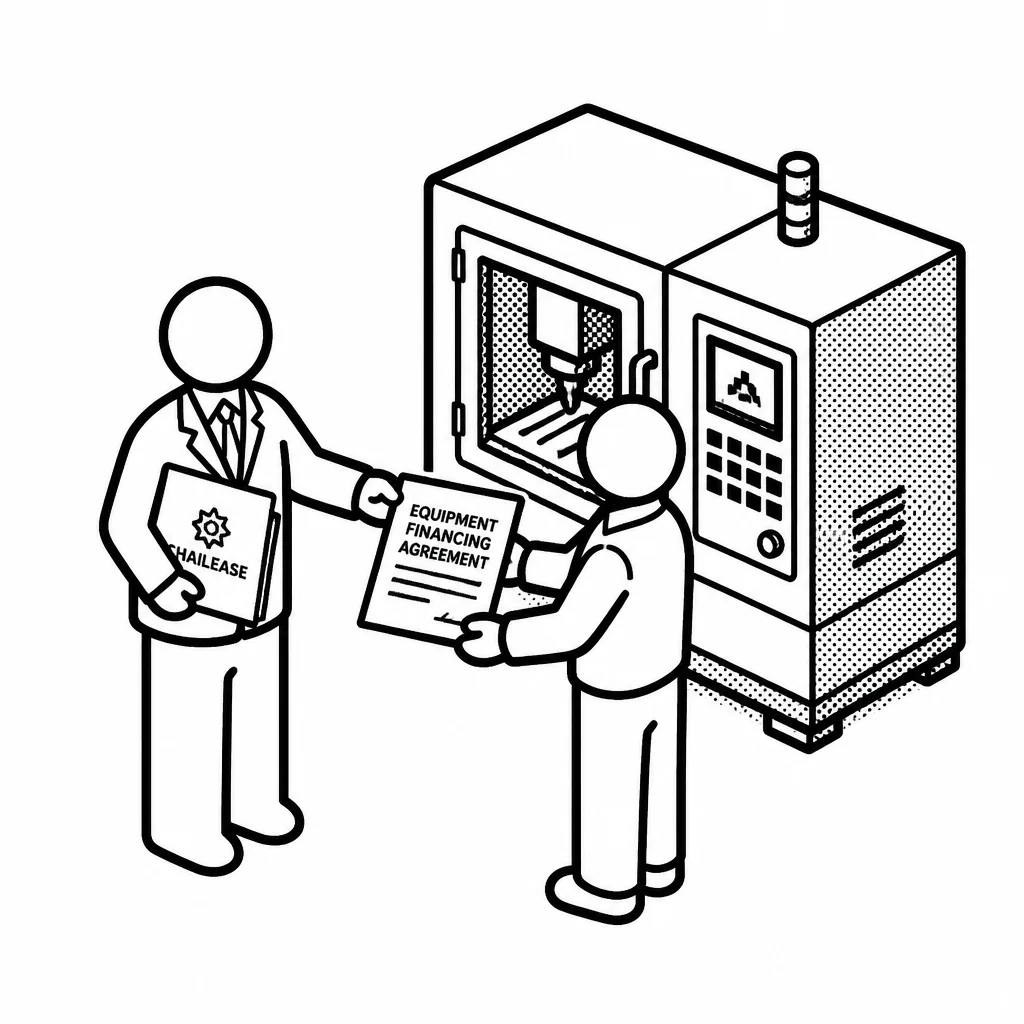
The core product is simple. A small factory needs a machine it can't afford outright. Chailease buys the machine and leases it to the factory, which pays in installments. Or a business sells goods on credit and needs cash now rather than in 90 days; Chailease buys the receivable at a discount, a service called factoring. It also handles installment sales of equipment and straightforward lending. The customer pays interest and fees, and Chailease earns the spread — the gap between what it charges borrowers and what it pays to fund itself. What makes this work is that Chailease is very good at the boring, unglamorous part: figuring out which small borrowers will actually pay back. Big banks don't love this business because each loan is small and the credit checks are labor-intensive. Chailease built its machinery around exactly that — deep local knowledge, fast decisions, and tight collection. It has spent years expanding beyond Taiwan into China and ASEAN markets, chasing growth where SME credit is even harder to get.
The risk is real and worth naming. A lender to small businesses lives or dies on credit quality, and an economic downturn can turn a portfolio of small loans bad quickly. Chailease's spread also depends on funding costs, so rising interest rates squeeze margins. Still, the franchise is durable: it does the gritty credit work that lets millions of small firms finance equipment and growth that would otherwise stall.
Saved answer · last researched 12 Nov 2026