Understand any stock in simple English
Enter a ticker to learn what the company does and how it makes money.
UMS Integration Limited
UMS Integration makes precision-machined metal parts and assembles equipment for the companies that build semiconductor manufacturing machines.
UMS Integration is a Singapore-listed manufacturer that does the unglamorous but essential metalwork behind the chip boom. It machines precision components — the brackets, frames, chambers, and other precisely cut metal pieces — and assembles them into modules that go into the machines used to make semiconductors. Its customers are the equipment makers, the companies that build the big, expensive tools that fabricate chips, rather than the chipmakers themselves.
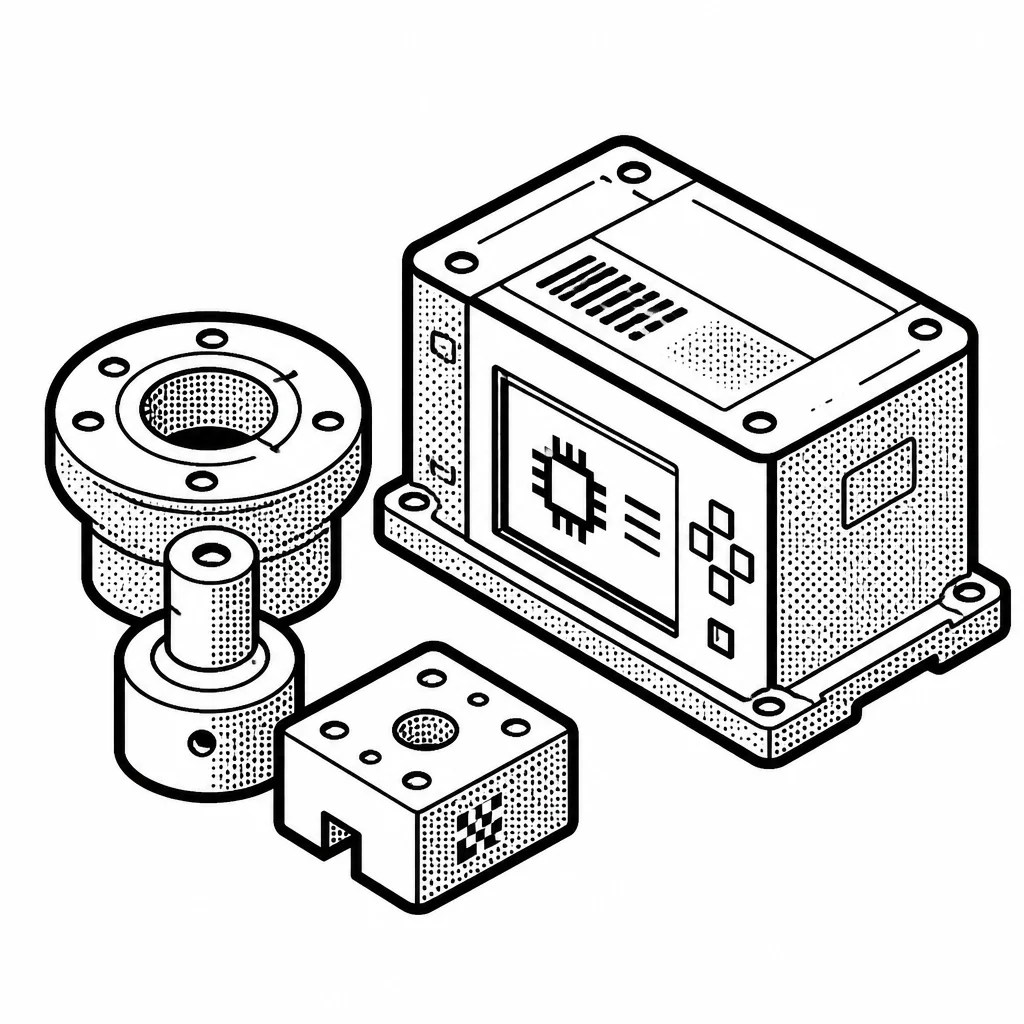
The business is a contract manufacturer, which means customers come to UMS with designs and specs, and UMS turns metal into finished parts and sub-assemblies that fit those machines. The appeal is straightforward: the equipment giants would rather not run their own machine shops for every bracket or housing, so they outsource to specialists who can hold tight tolerances and deliver reliably. UMS's main facilities sit in Singapore and Malaysia, giving it a low-cost, nearby base for the region's electronics supply chain. This is a cyclical, capital-heavy business tied tightly to semiconductor spending. When chip demand is hot, equipment makers ramp up production and order more parts; when the cycle cools, orders shrink. UMS also serves other industries that need precision engineering, though semiconductor equipment is the heart of the story. A notable wrinkle: the company has historically paid generous dividends, and its founder and major shareholder, Andy Luong, has been a central figure in its history.
The company has also expanded beyond pure machining into assembly and integration work, moving up the value chain from making individual parts to delivering complete modules. That matters because assembly and testing tend to carry better margins and deeper customer relationships than cutting metal alone. Still, the core risk is concentration and cycle exposure: a handful of large equipment customers can swing revenue sharply, and a downturn in chip capital spending hits UMS fast.
Saved answer · last researched 12 Nov 2026