Understand any stock in simple English
Enter a ticker to learn what the company does and how it makes money.
JX Advanced Metals Corporation
JX Advanced Metals makes the super-pure metal materials that chipmakers and electronics companies need to build semiconductors and modern telecom gear.
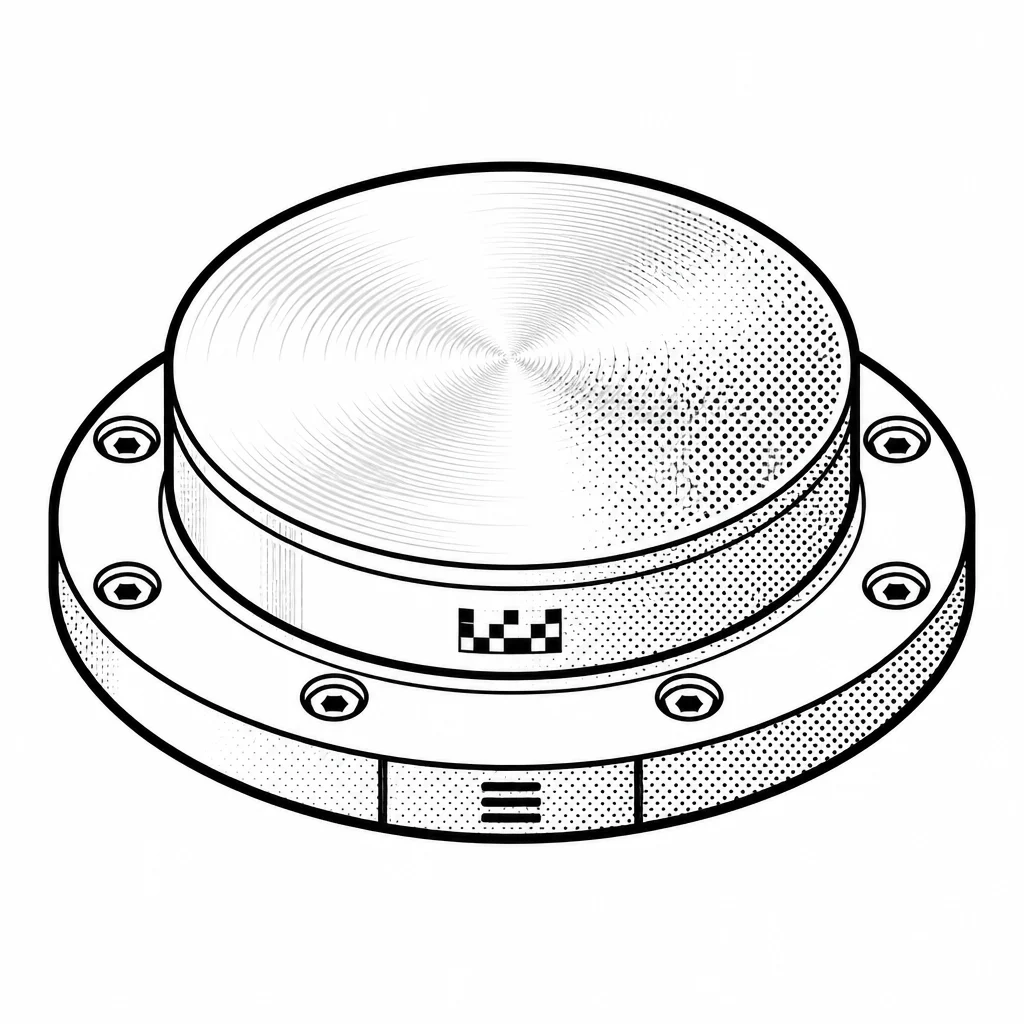
JX Advanced Metals makes some of the least glamorous but most essential stuff in the electronics world: ultra-pure metals and metal products that other companies turn into computer chips and communications equipment. It sells sputtering targets, which are flat discs of metal that get blasted in a vacuum so a thin film of atoms lands on a silicon wafer — that film becomes the wiring inside a chip. It also makes rolled copper foil and advanced rare-metal materials that help electronics conduct, connect, and survive heat and stress.
The company is the metals spin-off of Japan's big energy and resources group Eneos, and it listed on the Tokyo Stock Exchange in 2025. Its headquarters in Tokyo sits far from most of its customers, who are spread across Asia's chip-making heartland. Chipmakers buy from it because the purity and consistency of these materials directly determine whether a chip works or fails; a speck of impurity in a sputtering target can ruin millions of dollars of wafers, so suppliers earn their place by being relentlessly dependable rather than cheap. The business rides the semiconductor cycle. When demand for chips booms, fabs run flat out and order more targets and foil; when the cycle turns, orders slow sharply, so revenue and profits swing more than investors might expect from a metals supplier. But the long-term direction is its friend: the world keeps building more fabs and more advanced chips, and each generation of chipmaking needs more of these precise materials, not less.
The 2025 IPO was a big deal in Japan — one of the largest listings in years — and it handed the parent group cash to pay down debt and fund its own energy transition plans. For investors, JX Advanced Metals is essentially a bet on the chip industry's physical supply chain: it doesn't design chips or make them, but nothing gets made without the metal it supplies.
Saved answer · last researched 12 Nov 2026