Understand any stock in simple English
Round One Corporation
Round One runs indoor entertainment complexes filled with bowling, arcade games, karaoke, billiards and sports facilities, and charges customers to play.
Round One runs the kind of place where a group of friends can bowl a few frames, sing karaoke, play arcade games, shoot pool, and try a batting cage or other sports corners, all under one roof. It is an indoor leisure complex operator: customers pay per game, per hour, or per session, and the company keeps the lights on and the machines running.
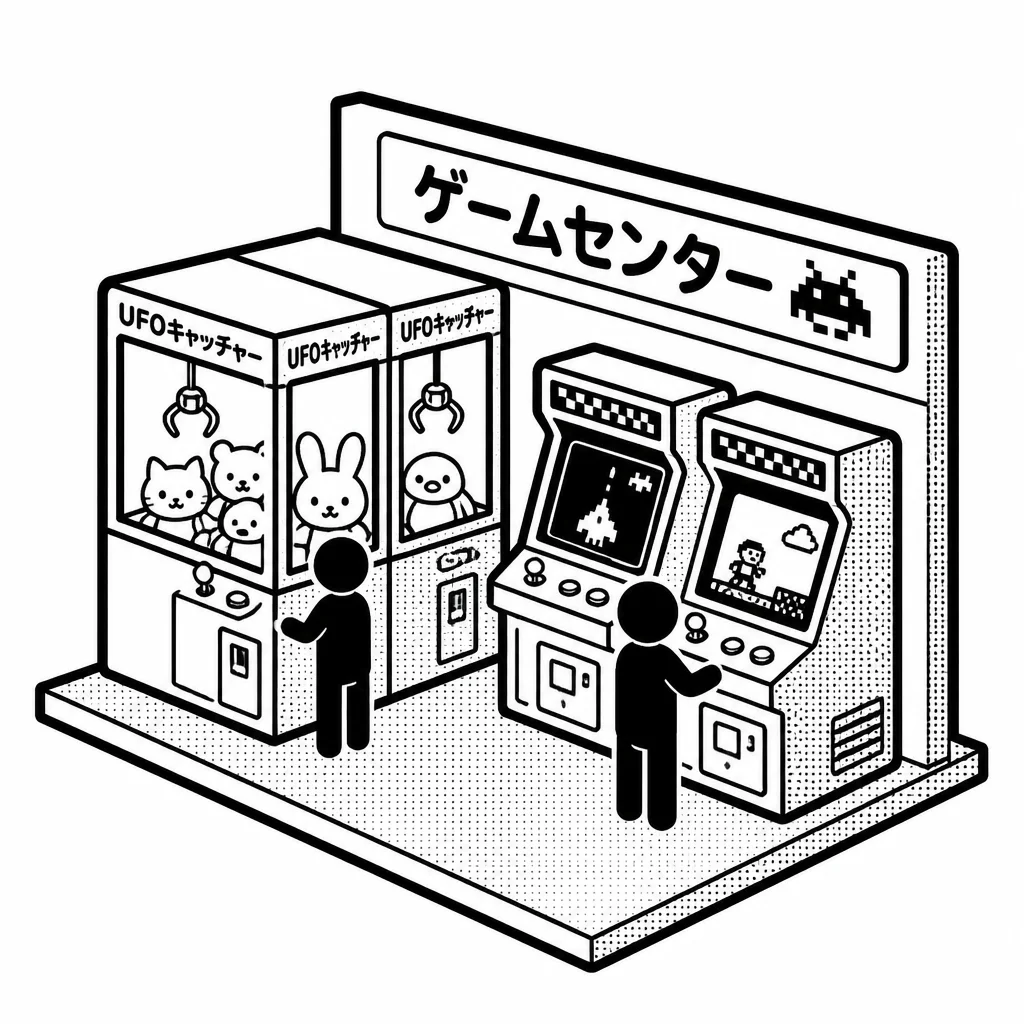
Its home market is Japan, where it operates large entertainment centers, often inside or near shopping malls, and it also runs bowling and amusement venues in the United States. The appeal is simple: instead of one activity, it sells a whole afternoon out. That makes it a destination for families, students, dates and groups, and it gives mall landlords a reason for people to stay longer and spend more. The business is capital-heavy and foot-traffic-sensitive. Bowling lanes, arcade cabinets, karaoke rooms and sports facilities cost real money to build and maintain, and revenue depends on how many people walk through the door. That makes Round One vulnerable to weak consumer spending, mall traffic trends, and the cost of keeping equipment fresh enough that customers choose it over streaming, gaming at home, or a competitor's venue.
Round One is a publicly traded company on the Tokyo Stock Exchange, and its results rise and fall with leisure demand in Japan and the US. The core bet is that people still want to leave the house and do something together, and that a well-run venue with several activities beats a single-purpose alley or arcade.
Saved answer · last researched 17 Nov 2026