Understand any stock in simple English
Enter a ticker to learn what the company does and how it makes money.
Terumo Corporation
Terumo makes medical products and equipment — things like syringes, catheters, blood bags, and heart-lung machines — and sells them to hospitals and healthcare providers around the world.
Terumo is a Japanese medical products company. Hospitals and clinics use its gear for everyday tasks like giving an injection or drawing blood, and for serious procedures like heart surgery. The company started life a century ago as a maker of clinical thermometers, under the name Sekisen Ken-onki Corporation, and it has grown into one of the world's bigger makers of medical devices.
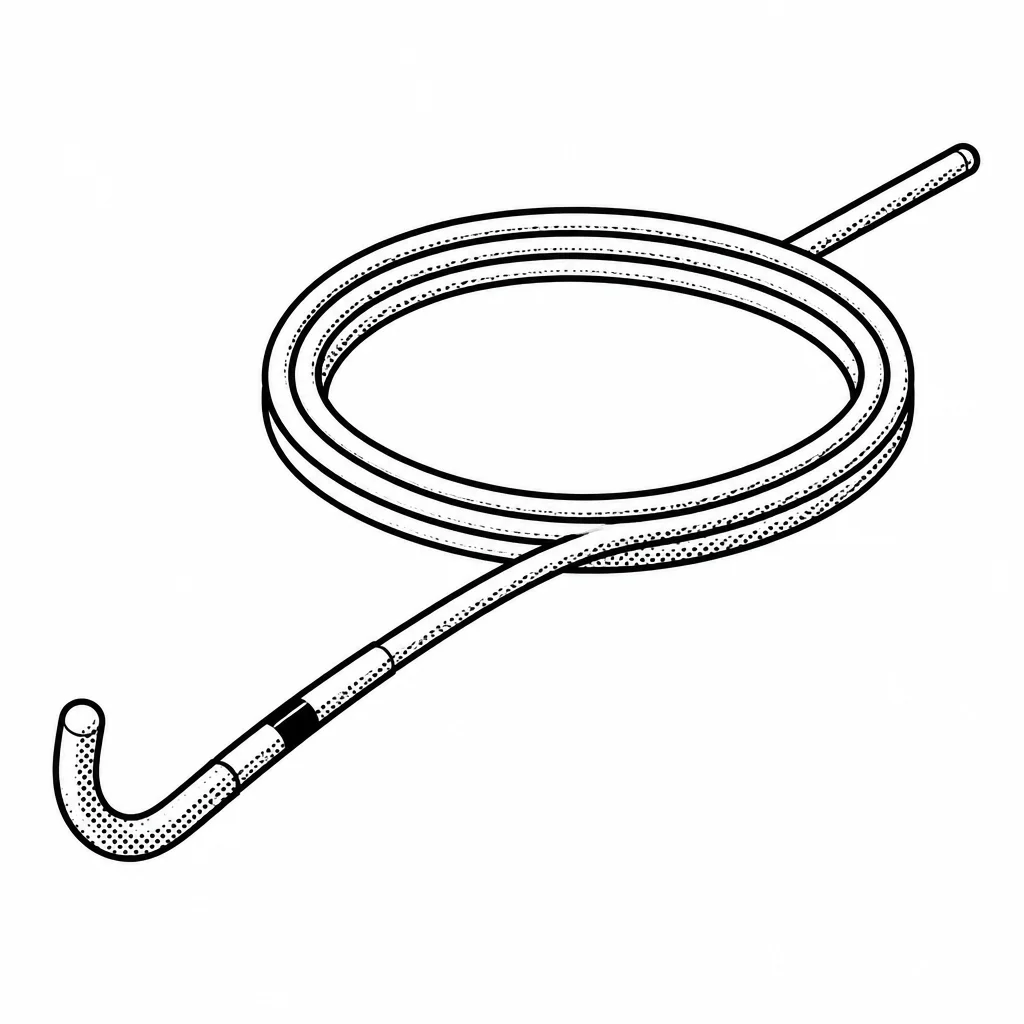
Its business runs in three broad chunks. One is hospital supplies — syringes, needles, IV kits, blood bags, and the like — the everyday consumables that hospitals burn through constantly. Another is cardiac and vascular: catheters, stents, and the machines used in heart surgery, including blood-oxygenation equipment for open-heart operations. The third is blood management, the systems blood banks use to collect, test, and store blood. It also has a growing diabetes-care line of pen needles and glucose monitoring. The customer is almost always an institution, not a person: a hospital, a blood bank, or a healthcare system. That makes it a steady, sticky business. Once a hospital standardizes on a supplier's catheters or IV sets, switching means retraining staff and re-qualifying products, so buyers tend to stay put. Terumo competes with giants like Medtronic, Becton, Dickinson, and Abbott Laboratories, and it wins mainly on reliability, price, and deep relationships with clinicians.
It is a genuinely global company — Japan is its home market, but a large share of sales comes from the Americas, Europe, and Asia. The business throws off solid cash, which it plows back into developing new devices and buying smaller firms to expand its product range. It also pays a dividend and buys back shares from time to time. The main risks are ordinary ones for medical devices: price pressure from hospitals and insurers, tough regulation, and the constant need to keep inventing better products before rivals do.
Saved answer · last researched 12 Nov 2026