Understand any stock in simple English
Enter a ticker to learn what the company does and how it makes money.
BinDawood Holding Company
BinDawood runs a chain of supermarkets and hypermarkets in Saudi Arabia and Qatar, selling groceries and household goods to everyday shoppers.
BinDawood is a grocery store company. It runs big hypermarkets and smaller supermarkets where families in Saudi Arabia and Qatar buy their food, cleaning supplies, and other household basics. You walk in, fill a cart with rice, milk, diapers, and snacks, and pay at the till. That's the whole business, repeated millions of times a year across its stores.
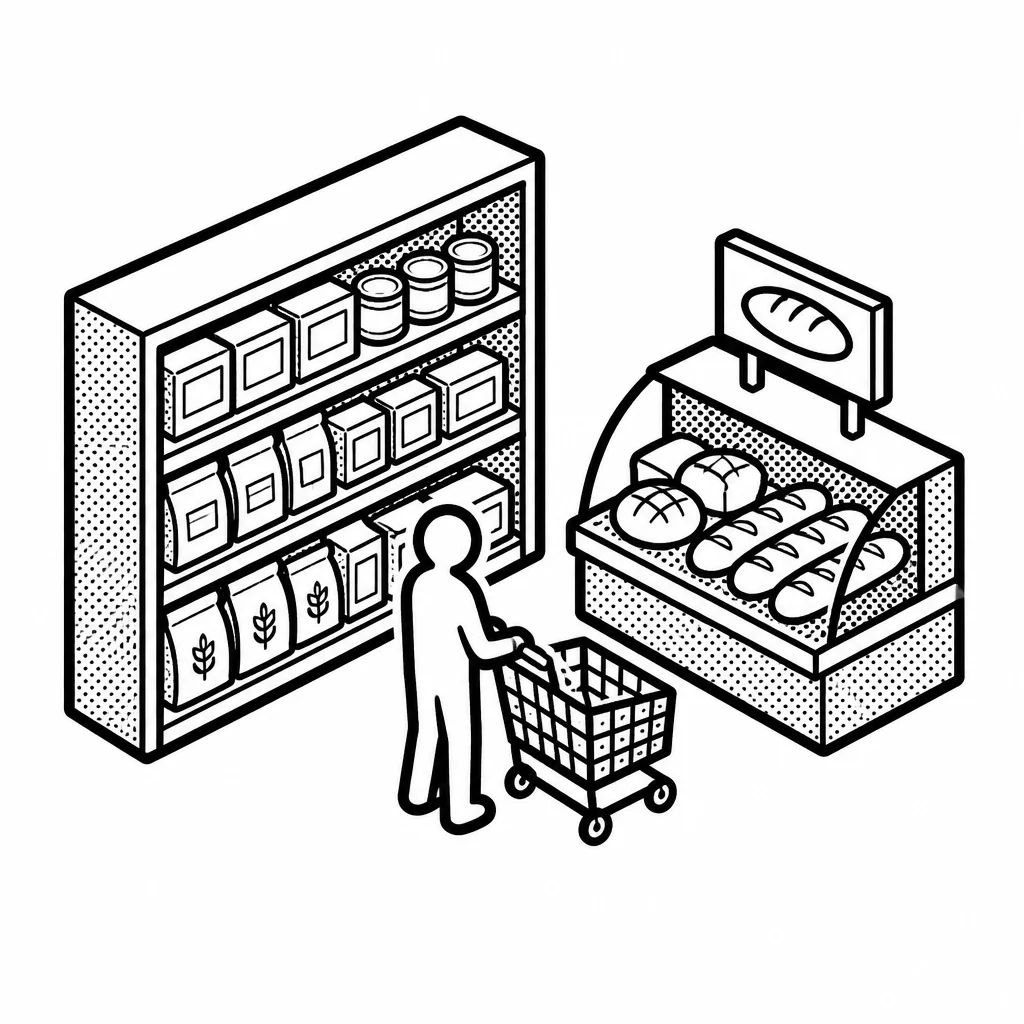
The company operates two main store brands. Danube is the larger, more upscale supermarket banner, and BinDawood is the hypermarket brand — big-format stores that stock everything from fresh produce to electronics. The two brands let the company chase different kinds of shoppers: value hunters who want a wide selection under one roof, and pickier customers willing to pay a bit more for nicer fresh food and imported goods. Both chains are concentrated in Saudi Arabia, with a smaller presence in Qatar. Groceries are a strange business to be in if you want fat profit margins, because you don't really get them. A supermarket survives on thin slices of each sale, which means volume is everything. Its power comes from scale: buying in huge quantities to squeeze suppliers on price, running stores efficiently, and getting shoppers to visit often. The danger is that customers are fickle and picky about price, and rivals are never far away — from Al Othaim and other Saudi grocery chains to discounters and, increasingly, quick-delivery apps and online grocers grabbing the small basket.
BinDawood is trying to keep up with that shift. It has pushed into e-commerce and speedy delivery, since younger Saudi shoppers now expect to order groceries from their phones and get them within the hour. It is a defensive move as much as a growth one: if someone else delivers the milk, the store loses the trip. The company listed its shares on the Saudi stock exchange in 2020, giving it public money to grow and invest, but it also faces the classic grocery squeeze — costs creeping up, prices hard to raise, and customers who notice every riyal.
Saved answer · last researched 12 Nov 2026