Understand any stock in simple English
Enter a ticker to learn what the company does and how it makes money.
Riyadh Cables Group Company
Riyadh Cables makes the wires and cables that carry electricity and telecom signals across Saudi Arabia and beyond.
Riyadh Cables is the company that literally holds the power grid together. It manufactures the wires and cables that carry electricity from power plants to cities, factories, and homes, plus the cables that phone and internet networks run on. If you flip a light switch in Saudi Arabia or scroll on your phone, there's a decent chance the cable making it happen came from this company's factories.
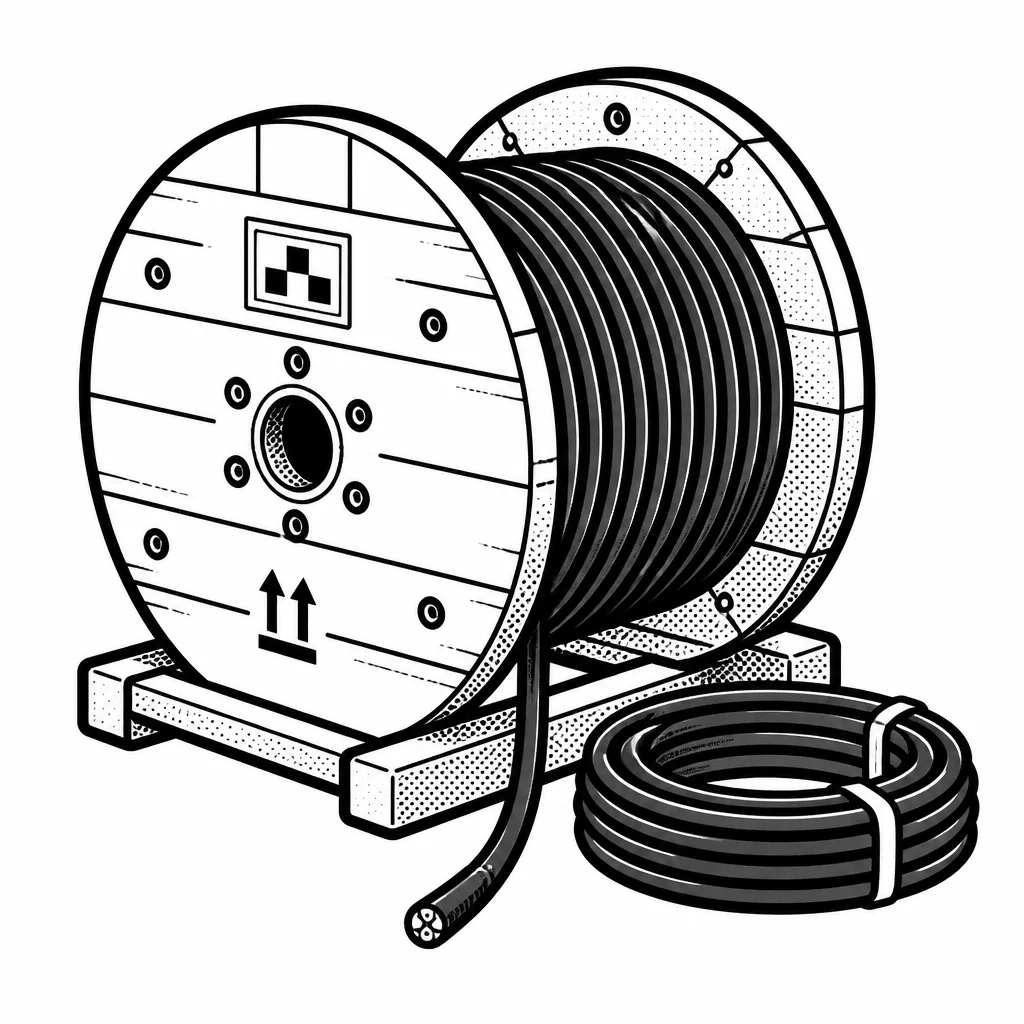
The business is simple in concept but demanding in practice. Riyadh Cables makes low-voltage cables for homes and buildings, medium and high-voltage cables for utilities and big industrial projects, and telecom cables for networks. Its customers are electric utilities, construction firms, government infrastructure projects, oil and gas companies, and telecom operators. They buy from Riyadh Cables because the company can supply huge volumes, meet strict technical standards, and deliver on the tight schedules that big construction projects demand. Competing imports face shipping costs and logistics headaches, which gives a local manufacturer a real edge. What makes the company interesting is how much it's tied to Saudi Arabia's building boom. The kingdom is spending hundreds of billions on new cities, power plants, and grid upgrades under its Vision 2030 plan, and every one of those projects needs enormous amounts of cable. Riyadh Cables also exports to markets across the Middle East, Africa, and Europe, which spreads its bets somewhat. In 2024 the company pulled in roughly 8.9 billion Saudi riyals in revenue, a jump from the year before, as demand for power infrastructure kept climbing.
The stock has been a strong performer since its 2022 listing on the Saudi Exchange, and the company pays a dividend. It also builds new capacity when demand calls for it — cable is heavy stuff, so making it near the customer beats shipping it across an ocean. The main risk is concentration: a slowdown in Saudi construction or a drop in government infrastructure spending would hit demand hard. Rising copper prices matter too, since copper is the single biggest raw material in the product, and squeezing that cost through to customers takes time.
Saved answer · last researched 12 Nov 2026