Understand any stock in simple English
Enter a ticker to learn what the company does and how it makes money.
Nippon Sanso Holdings Corporation
Nippon Sanso makes and sells industrial, medical, and electronic gases and the equipment that goes with them, plus Thermos-brand insulated products, all over the world.
Nippon Sanso is a gases company, and gases are one of those businesses you never notice until you need them. It sells oxygen, nitrogen, argon, and hydrogen to factories, hospitals, and chipmakers, and it also builds the tanks, pipes, and gear that deliver those gases. It runs a second, smaller business that makes the Thermos brand of insulated bottles and containers. The company is headquartered in Tokyo and trades on the Tokyo Stock Exchange.
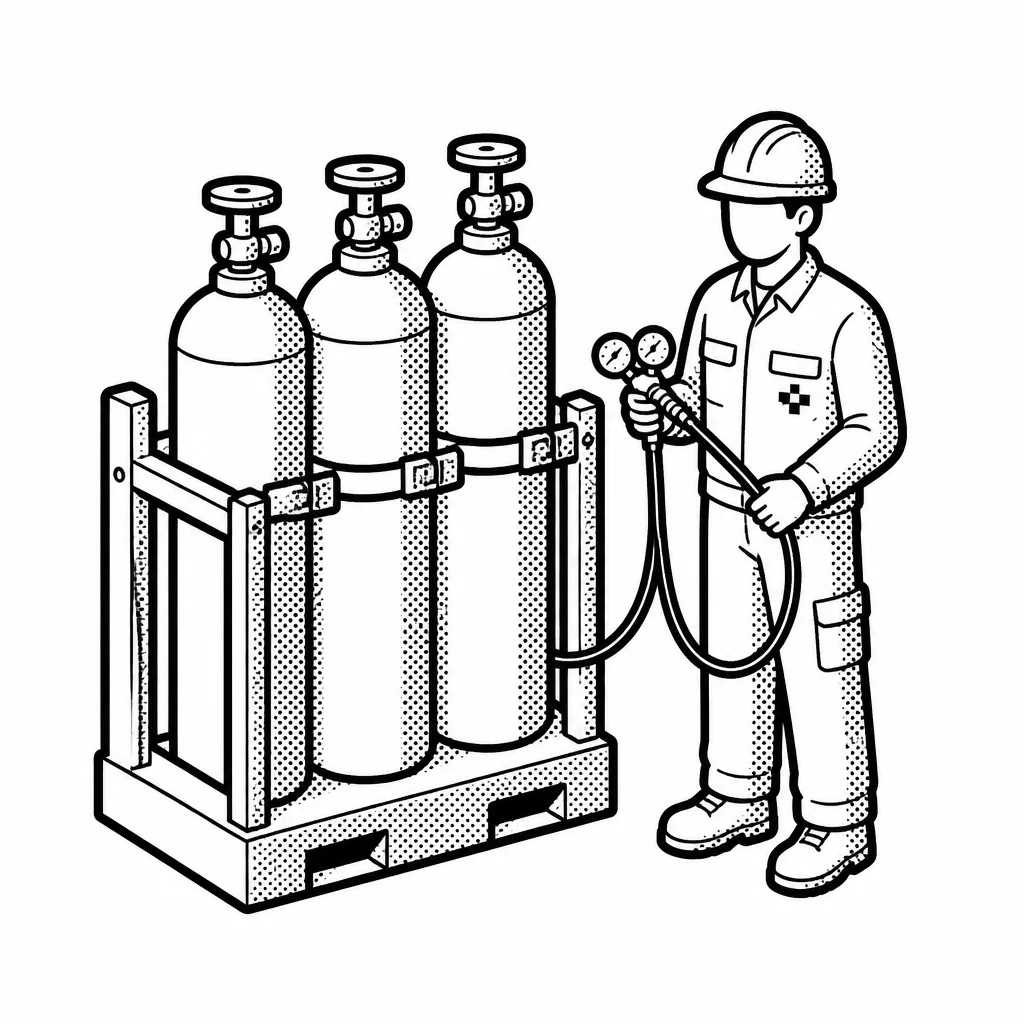
The gas business is the core. Big industrial customers pay Nippon Sanso to supply gases continuously rather than buying them once, often through long-term contracts. Chipmakers are a key customer group: they need extremely pure gases for manufacturing, and the company supplies those along with the specialty equipment. Hospitals need medical oxygen. Steel mills, food companies, and electronics factories all need their own gases for their own reasons. Competing in this industry is mostly about being physically close to the customer and reliable, because gas is bulky and expensive to ship, so the company that can put a plant nearby and run it safely tends to win the contract. The Thermos side sells everyday insulated bottles and food containers to ordinary consumers, which gives the company a steadier, more retail-facing stream of sales that balances the contracts-heavy gas business. Over the years Nippon Sanso has grown through acquisitions outside Japan, widening its reach in Asia, Europe, and North America.
The gas business is a capital-heavy one. Building plants to produce and deliver gases takes real money, so watching where the company spends its cash is a good signal. It's the kind of business that is dependable more than exciting, which is often exactly what a customer wants.
Saved answer · last researched 12 Nov 2026