Understand any stock in simple English
Enter a ticker to learn what the company does and how it makes money.
Resonac Holdings Corporation
Resonac makes specialty chemicals and materials, especially the advanced materials that go into computer chips and electronics.
Resonac is a Japanese chemical company that makes the specialty materials other manufacturers can't easily make themselves. Its most important products are the high-purity chemicals and advanced films used to manufacture semiconductors, the chips inside every phone and computer. It also makes industrial chemicals, hard disk components, and materials for electric vehicles and other industrial uses. Its customers are big manufacturers, mostly in electronics and heavy industry, who buy these ingredients and parts to build their own products.
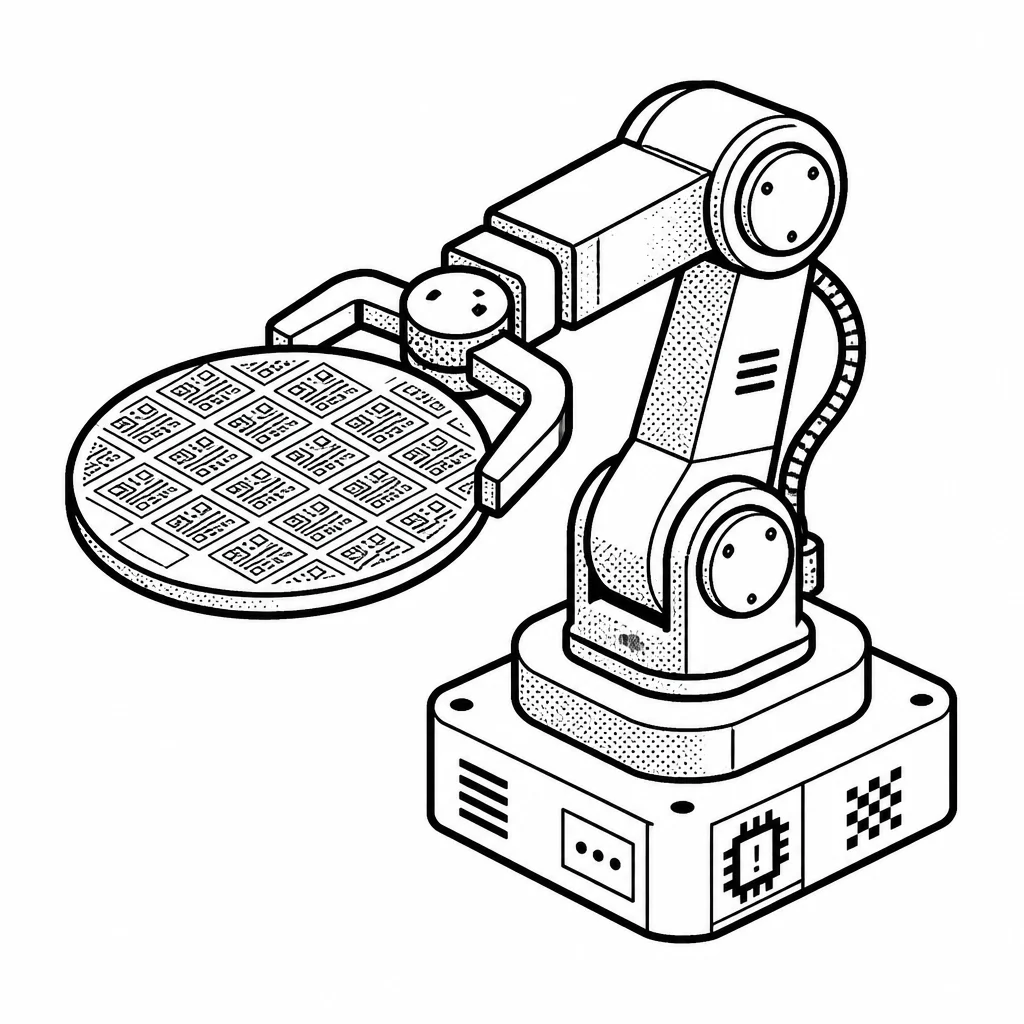
The business was long known as Showa Denko, a sprawling chemical maker that could trace its roots back over a century. In 2023 it changed its name to Resonac after a major restructuring that combined its own operations with those of Showa Denko Materials, the former Hitachi Chemical business it had bought. The new name was meant to signal a sharper focus on semiconductors and electronic materials rather than commodity chemicals, which tend to earn thin, boom-and-bust profits. That pivot matters because the chip industry is hard on its suppliers. Chemical makers like Resonac have to pour money into plants and research to keep up with each new generation of chipmaking, and demand swings sharply when the chip cycle turns down. The company competes in a crowded field that includes larger rivals such as Shin-Etsu Chemical and other global specialty suppliers, and its results lean heavily on how much the world is spending on new electronics.
Resonac does pay a dividend and has been working to cut debt while investing in the chip materials side of its business, which is where it sees the best growth. The company's fortunes depend on a simple bet: that the world will keep needing more powerful chips, and that the factories making them will keep buying its quietly essential materials.
Saved answer · last researched 12 Nov 2026