Understand any stock in simple English
Rakus Co., Ltd.
Rakus sells cloud software and provides IT engineer staffing, mostly to small and medium-sized businesses in Japan.
Rakus is a Japanese company that sells cloud software and lends out IT engineers, mostly to small and medium-sized businesses. Its best-known product is an expense-reimbursement tool called Rakuraku Seisan, which lets an employee snap a photo of a receipt and submit it in seconds instead of filling out paper forms and chasing approvals. That sounds tiny, but expense reports annoy every company on earth, and Rakus turned that annoyance into a steady subscription business.
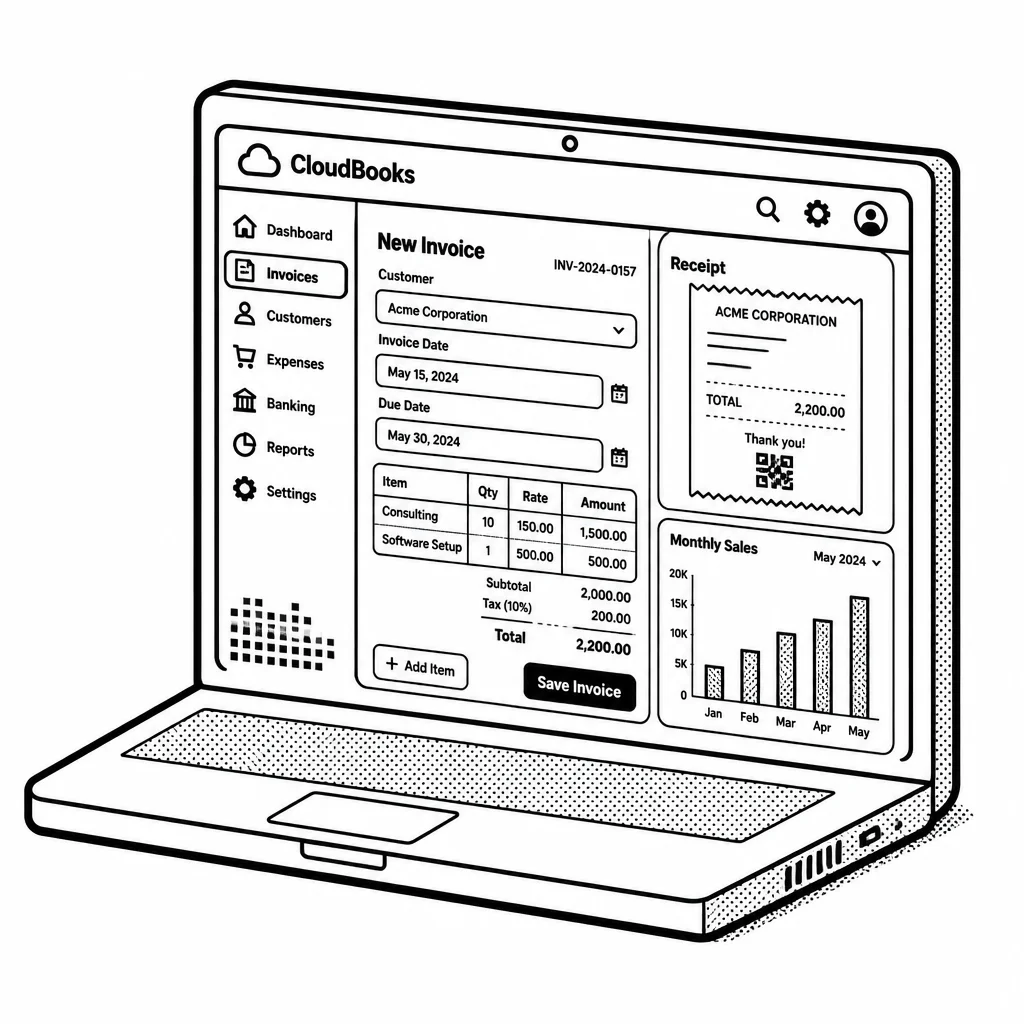
The second half of the business is people. Rakus supplies IT engineers to client companies that need extra technical hands, either on a project or on a longer assignment. This staffing work brings in a large share of revenue but earns thin margins, because you are essentially renting out humans and paying them a salary. The software side is smaller but far more profitable, since one copy of a cloud product can serve thousands of customers with little added cost. The strategy is to bundle. Rakus offers a suite of tools for back-office chores — expense processing, invoice handling, and workflow management — and sells them to the same small-business customers who also hire its engineers. Competitors in Japanese back-office software include Money Forward and Freee, both of which are pushing similar subscription bundles to the same small and mid-sized firms.
Rakus is growing fast and is genuinely profitable, which is unusual for a company expanding this quickly. It funds growth from its own cash flow rather than leaning on debt, and it has been spending heavily on sales and marketing to win new subscribers. The risk is straightforward: software margins are attractive, so everyone wants in, and the staffing business, while reliable, will never be a gold mine.
Saved answer · last researched 17 Nov 2026