Understand any stock in simple English
Enter a ticker to learn what the company does and how it makes money.
Contemporary Amperex Technology Co., Limited
CATL makes the giant batteries that power electric cars and store electricity on power grids.
CATL is the world's biggest maker of batteries for electric vehicles. If you drive an electric car in China, Europe, or many other places, there's a decent chance the battery pack under the floor was built by this company. It also makes huge batteries that utilities use to store electricity, plus smaller ones for machinery, ships, and even aircraft.
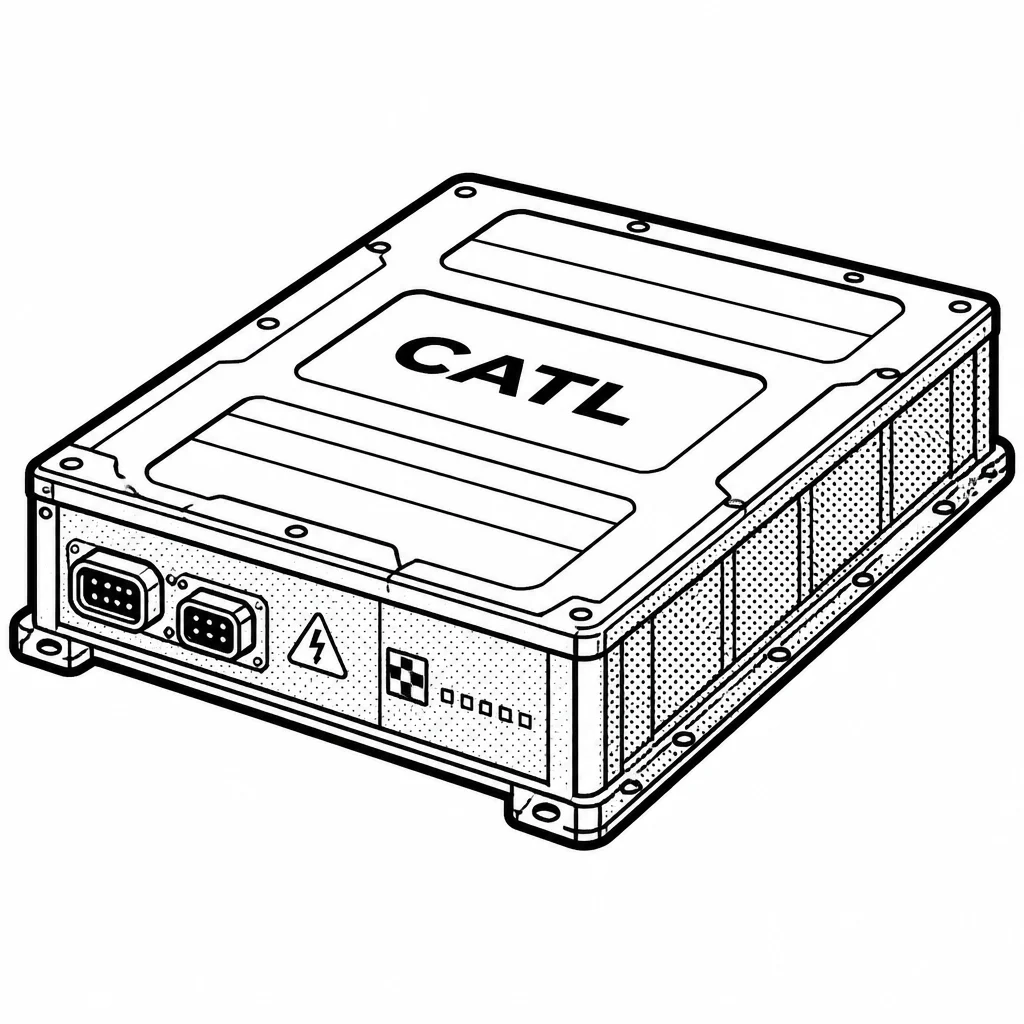
The business is simple in concept: carmakers design the car, and CATL builds the battery — the single most expensive part of an EV. Those carmakers pay CATL for each pack, and they choose it because it is one of the few suppliers that can churn out enormous volumes of dependable cells at a low cost. CATL spends heavily on research to keep improving the chemistry, because in batteries, more range and lower cost per kilowatt-hour are the whole game. The company is based in Ningde, a city in eastern China, and its customers include many of the world's largest automakers, such as Tesla and BMW. The core problem CATL solves is energy density — how much electricity you can cram into a given weight and space. That's why it pours money into new chemistries, like sodium-ion batteries that use cheap, abundant salt instead of scarce lithium. The company also sells energy storage systems, which are becoming a real second leg of the business: as more power comes from wind and solar, utilities need big batteries to soak up extra electricity and release it later. That segment is growing fast and is less tied to the ups and downs of car sales.
Batteries are a brutally competitive, capital-hungry business. Rivals in China and abroad are spending billions to catch up, and falling battery prices squeeze everyone's margins. CATL's edge is scale and manufacturing know-how — it makes so many cells that it can spread fixed costs across huge volumes. Most of its free cash goes right back into building more factories and developing next-generation products, because in this industry standing still means losing the cost race. The bet is that being the biggest and cheapest producer wins the long game, even if the road is crowded and the price war is ugly.
Saved answer · last researched 12 Nov 2026