Understand any stock in simple English
Enter a ticker to learn what the company does and how it makes money.
Hansoh Pharmaceutical Group Company Limited
Hansoh Pharmaceutical invents and sells prescription medicines in China, mainly for cancer, infections, brain and nerve conditions, and metabolic diseases like diabetes.
Hansoh Pharmaceutical is a Chinese drugmaker that discovers, develops, and sells prescription medicines to patients in China. Its focus is on four big areas of medicine: cancer (oncology), infections, the brain and nervous system (CNS), and metabolic diseases such as diabetes. Doctors prescribe these drugs, patients take them, and the money comes from China's hospitals and pharmacies, which are largely funded through the country's public health insurance system.
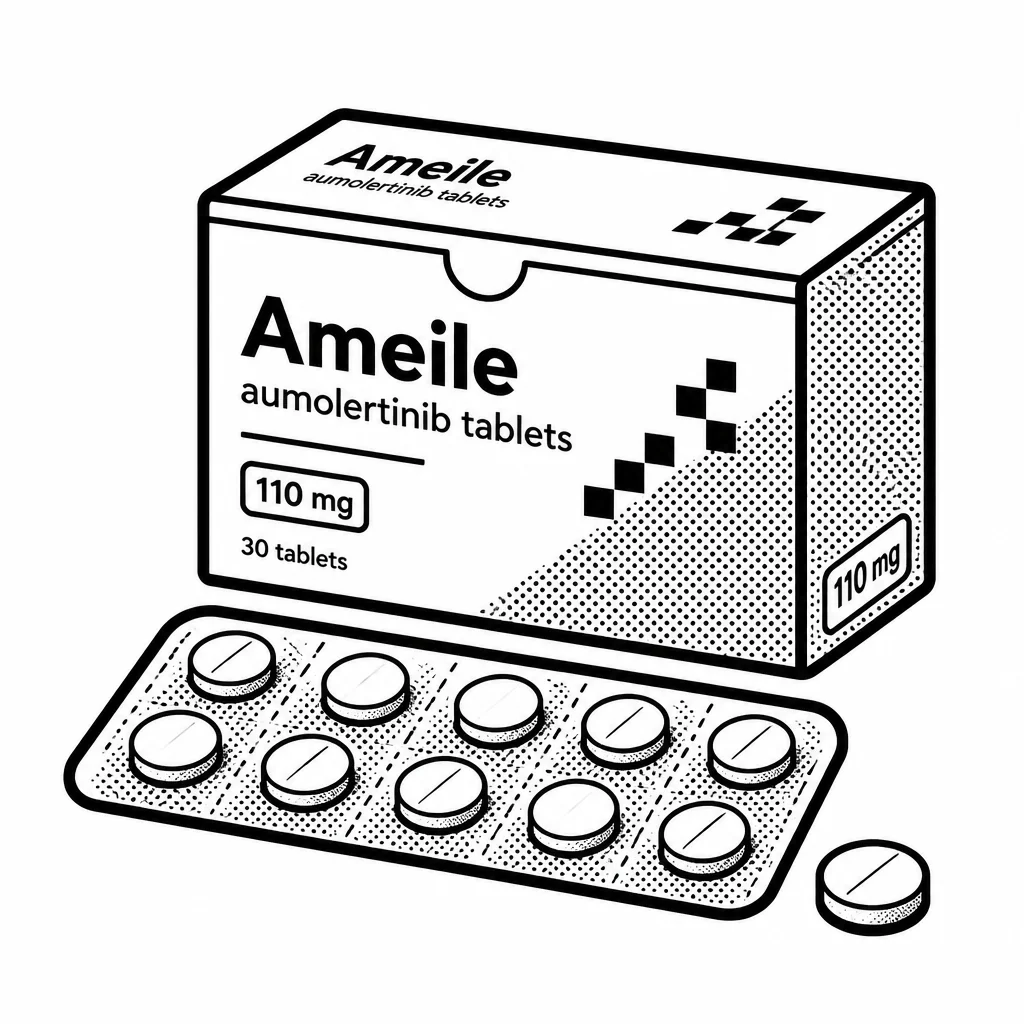
The company started out making cheaper generic copies of drugs whose patents had expired. That business gave it steady cash and a huge sales force that already knew how to get medicines into Chinese hospitals. Over time, Hansoh used that foundation to push into original, patent-protected drugs — the kind a company invents itself and can sell without generic competition, at least for a while. One of its best-known homegrown medicines is a drug for chronic hepatitis B, and it has built a growing lineup of cancer treatments. This shift from copies to original drugs is the heart of the Hansoh story: generics pay the bills, but the innovative drugs are where the growth and the higher prices live. China's drug market is enormous but also brutal. The government runs centralized bulk purchasing programs that deliberately slash prices on older generics, squeezing the easy money. At the same time, Chinese biotech has become fiercely competitive, with companies like BeiGene and Innovent racing to launch new cancer drugs. Hansoh's edge is its scale, its deep hospital relationships, and a large in-house research team — it spends heavily on developing its own pipeline rather than just copying. Licensing deals have also become a meaningful part of the model: Hansoh has struck agreements to sell or develop other companies' drugs in China, and to license its own molecules to partners abroad, bringing in upfront payments and royalties.
The business throws off a lot of cash, which management has used to fund research, pay dividends, and buy back shares. The honest risk is that Hansoh sits in a market where the government controls a huge share of what gets paid for medicine, so pricing pressure never really goes away, and a hot new drug can be copied or undercut faster than outsiders expect. It is a real, profitable company — just one whose fortunes rise and fall with Chinese drug policy and its ability to keep inventing medicines people need.
Saved answer · last researched 12 Nov 2026