Understand any stock in simple English
Enter a ticker to learn what the company does and how it makes money.
Alchip Technologies, Limited
Alchip designs custom chips for other companies that need specialized silicon for their own products.
Alchip is a custom chip designer. When a company needs a chip built for its own specific job—not a standard part off the shelf—Alchip's engineers design it, and then partner chip factories manufacture it. Its customers are mostly in networking equipment, consumer electronics, and medical devices, and they pay Alchip for the design work and for managing the chip all the way to production.
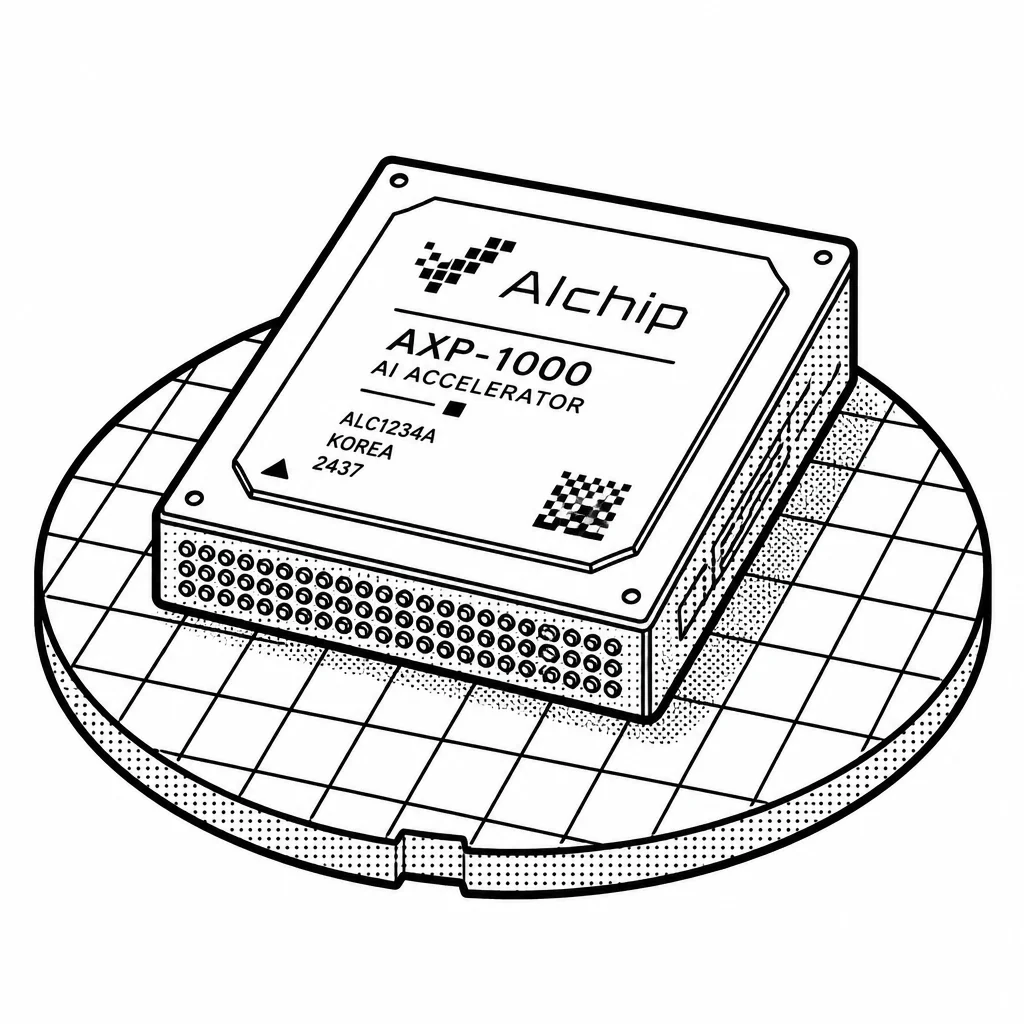
The business exists because designing a modern chip is brutally expensive and hard. A company with a great idea for a networking switch or a medical scanner usually has no chip design team and no desire to build one. Alchip provides that team. It takes the customer's requirements, turns them into a working design, and hands the manufacturing to a foundry—most importantly TSMC, the giant contract chipmaker. Alchip's real skill is navigating that path efficiently and reliably, so customers keep coming back. The hottest part of this business right now is AI. Alchip has become a go-to partner for companies designing custom AI accelerators—chips built to run artificial intelligence workloads—because the biggest AI players want their own silicon rather than buying standard parts from Nvidia. That has turned a steady custom-chip shop into a fast-growing company riding the AI boom, though it also makes Alchip dependent on a handful of large customers and on TSMC's manufacturing capacity.
The risks are real. Custom chip projects are lumpy: a few big customers can swing revenue sharply, and if one cancels or delays a project, the numbers hurt. Alchip also competes for that design work with rivals like Broadcom and Marvell Technology, which are far larger. Still, the company has carved out a niche as the flexible, focused alternative for customers who want custom silicon without building a chip team from scratch.
Saved answer · last researched 12 Nov 2026