Understand any stock in simple English
Enter a ticker to learn what the company does and how it makes money.
Saint Marc Holdings Co., Ltd.
Saint Marc Holdings runs bakery restaurants, cafes, sushi bars, and noodle shops, mostly in Japan.
Saint Marc Holdings runs a chain of casual eating places across Japan, the kind of spot you pop into for a quick breakfast, a coffee break, or a cheap sit-down meal. Its best-known brand is Saint Marc Café, a bakery-cafe hybrid where people grab pastries, sandwiches, and coffee. The company also operates sushi restaurants and noodle shops, so it covers several everyday dining moods rather than betting everything on one format.
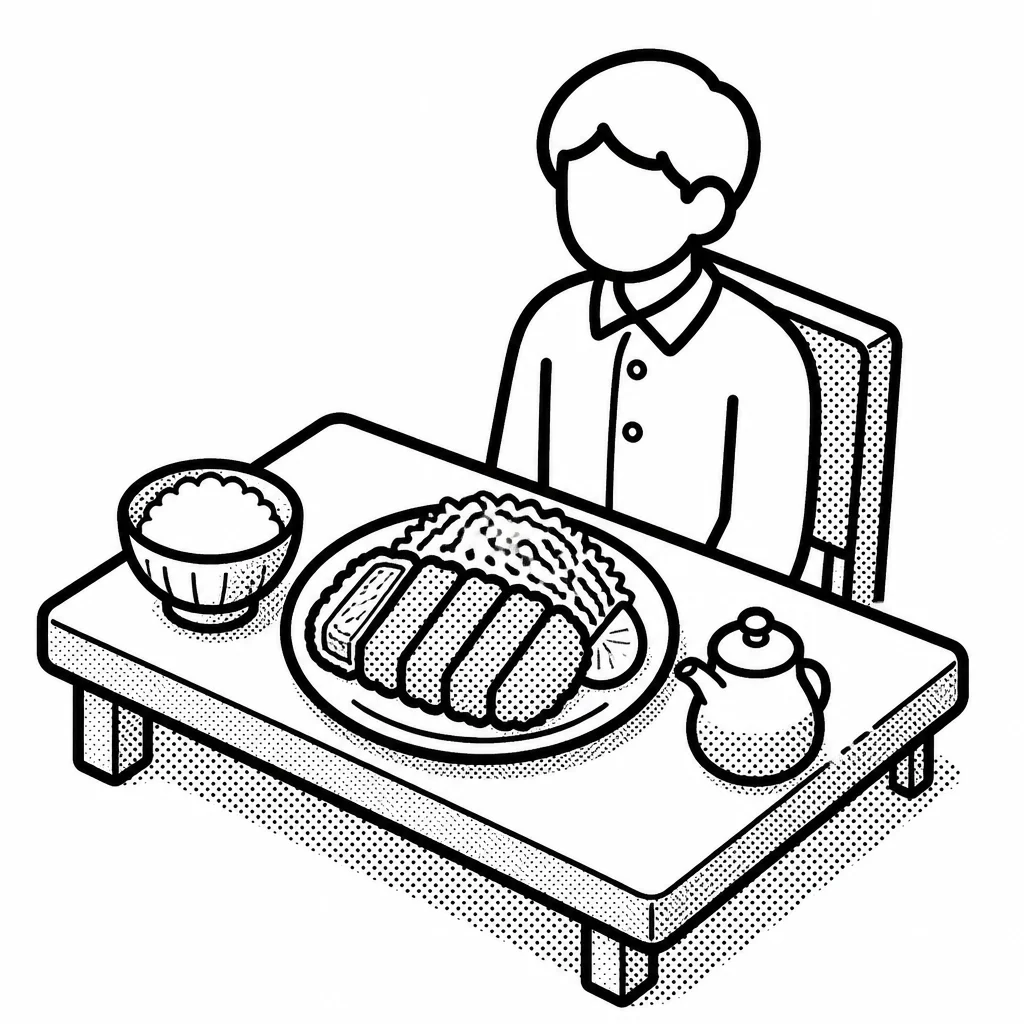
The money comes from customers paying for food and drinks at these shops, day after day. This is a volume business: small tickets, lots of them, and thin margins that depend on keeping rent, food costs, and staff hours under control. Cafes live and die on foot traffic, so location matters enormously — a good spot near a train station or office district can make a store, and a bad one can bleed money for years. The cafe market in Japan is crowded. Saint Marc competes with big coffee chains like Starbucks and Doutor, plus convenience stores that sell cheap coffee and snacks on nearly every corner. Its edge is the bakery angle — fresh bread and pastries give people a reason to choose it over a plain coffee shop. But that also means more kitchen work and waste risk than a pure beverage chain carries. Saint Marc is a small-cap company, and its fortunes rise and fall with Japanese consumer habits: office workers returning to train stations, tourists showing up, and households watching their spending. It has expanded abroad in a limited way, but Japan remains the heart of the business. The pandemic hit dine-in traffic hard, and like many restaurant operators it has had to adapt to takeout and delivery to keep sales moving.
The appeal for investors is a simple, understandable business: sell food and coffee to lots of people, keep costs tight, and grow slowly by opening new stores. The risk is equally simple — restaurants are a tough, low-margin game, and when customers tighten their belts or stay home, there is not much cushion.
Saved answer · last researched 11 Nov 2026
BIG PICTURE
Saint Marc's stock trades 51.2% below what analysts think it is worth
- 51.2% Discount to estimated fair value
- 48.8% Gap to estimated fair value
Saint Marc runs hundreds of bakery restaurants and cafes across Japan, and its shares trade 51.2% below an estimated fair value of the business. Earnings grew 35.7% over the past year, faster than the wider hospitality industry's 13.8%. Investors are still pricing the chain as if that run of growth will fade. Source: Simply Wall Street, data from 2026
Timeline
A Bakery Restaurant in Okayama
In 1989, Omoto Saint Marc started as a restaurant company with one simple idea: serve good Western-style food in a bakery-restaurant setting. It opened its first Bakery Restaurant Saint Marc in Okayama City that same year. That first shop laid the groundwork for what would become a chain of restaurants in more than one format.
Saint Marc Cafe Opens in Tokyo
A decade later, the company tried something new: a coffee shop. The first Saint Marc Cafe opened in central Tokyo in 1999, giving the company a second core business alongside its bakery restaurants.
Listed on the Tokyo Stock Exchange
The company went public in 2002, listing on the Second Section of the Tokyo Stock Exchange. A year later it moved up to the First Section, a sign that the business had grown big enough to stand with Japan's major listed companies.
A Holding Company Restructure
In 2006, the company reorganized into a holding company structure. The restaurant business became Saint Marc Cafe, while the new parent took the Saint Marc Holdings name and oversaw the growing group of brands.
Kurashiki Coffee Shop Added
The company kept adding formats. In 2008 it opened its first Kurashiki Coffee Shop, a full-service coffee shop, giving the portfolio yet another brand.
Pandemic Closes Unprofitable Stores
The COVID-19 pandemic hit restaurants hard. Saint Marc swung to a large operating loss, and it responded by shutting unprofitable stores to cut fixed costs. It was a painful reset, but it made the company leaner for what came next.
Yuki Fujikawa Takes Over as CEO
As the company climbed out of the pandemic downturn, leadership changed hands. Yuki Fujikawa became CEO, President and Director in 2022, taking charge of a business in recovery.
La Madrague Bought in Kansai
Late in 2022, Saint Marc bought La Madrague, the company behind Madrague coffee shops in the Kansai region. It was a way to grow the cafe side through acquisition rather than opening every shop from scratch.
Gyukatsu Becomes a Third Pillar
In late 2024, the company made two big buys: G Holdings, which runs Gyukatsu Kyoto Katsugyu, and B-kyu Gourmet Kenkyusho Holdings, which runs Gyukatsu Motomura. Suddenly Saint Marc owned a group of fried beef cutlet restaurants with 139 stores combined, and gyukatsu became the third pillar of the business. Restaurant sales jumped, and the company reached record revenue and profit.
A Kyoto Head Office for Global Growth
In 2026, Saint Marc set up a head office in Kyoto focused on product development and store development. The plan was to use the gyukatsu engine and overseas expansion to push operating profit higher in the years ahead.