Understand any stock in simple English
China National Building Material Company Limited
It makes and sells the basic materials of construction — cement, concrete, glass and advanced new materials — to builders and manufacturers, mostly in China.
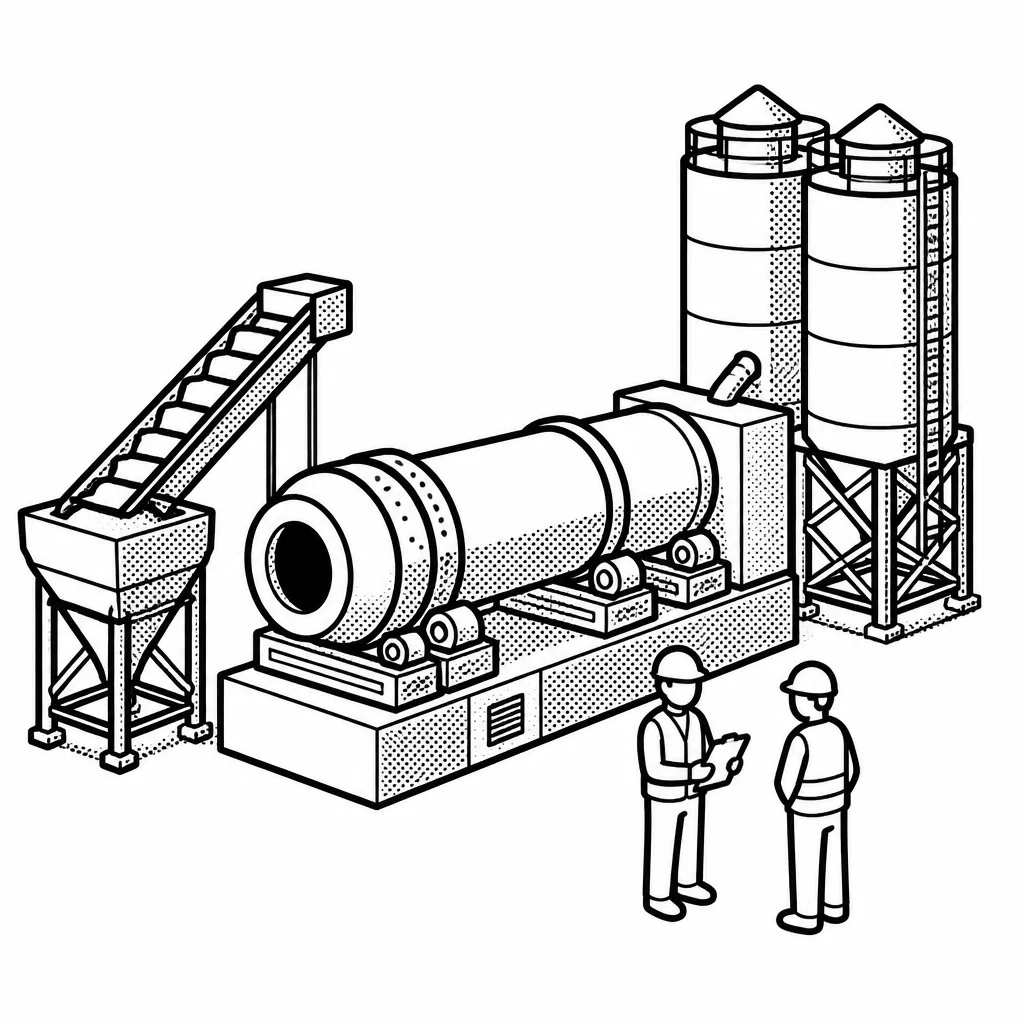
China National Building Material is one of the world's largest makers of the stuff that holds buildings and roads together. Its core business is cement and concrete: it runs huge kilns that turn limestone into cement powder, and mixing plants that turn that powder into concrete for apartments, highways, bridges and factories. If you pour a foundation or pave a road anywhere in China, there's a decent chance the material came through this company. It also makes fibreglass and other "new materials" — lightweight composites used in wind turbine blades, cars, electronics and construction — plus engineering services that help design and build industrial plants. So it's really two businesses under one roof: a giant, old-fashioned cement producer and a smaller, faster-growing advanced-materials arm.
The way it earns money is simple: customers pay for the materials by the ton, and the company tries to keep its cost per ton below the price it charges. Cement is a brutal business to be in. The product is a near-commodity, so buyers mostly care about price and distance — cement is heavy and cheap, so you can't ship it far before the freight eats your profit. That means local plants compete fiercely, and demand rises and falls with the construction cycle. China's building boom made this company enormous; the slowdown in Chinese property and infrastructure since then has squeezed cement prices and volumes hard, which is the single biggest thing weighing on its results. The new-materials side is the more interesting bet. Fibreglass and composite materials sell into wind power, auto parts and electronics, where customers pay for performance, not just tonnage. This segment gives the company something less cyclical and more profitable than bags of cement. The company is also a state-owned enterprise, controlled by China's central government, which shapes how it behaves: it pursues scale and national priorities, and it has swallowed rivals over the years to consolidate a fragmented industry.
The honest picture is a company caught between two worlds. Its cement arm generates huge revenue but is exposed to a weak Chinese property market and overcapacity, while its materials arm offers growth but isn't yet big enough to fully offset the drag. It pays dividends and has worked to cut debt, and Beijing's push to consolidate the cement industry could help pricing over time. But the core question for any investor is blunt: how fast can the advanced-materials business grow, and how long will the cement slump last?
Saved answer · last researched 17 Nov 2026