Understand any stock in simple English
Enter a ticker to learn what the company does and how it makes money.
Novatek Microelectronics Corp.
Novatek designs the tiny chips that control screens and run functions inside phones, TVs, and other electronics, and sells them to device makers worldwide.
Novatek is a chip designer, not a chip factory. It writes the blueprints for two kinds of chips: display driver ICs, which tell each pixel on a screen what color and brightness to be, and system-on-chip solutions, which bundle the brains for a device — controlling a camera, a touch panel, or a whole TV — into a single piece of silicon. Device makers buy these chips and solder them into phones, monitors, televisions, laptops, and cars. That is the whole business: figure out what screens and gadgets need next, design a chip that does it cheaply and reliably, and sell it by the hundreds of millions.
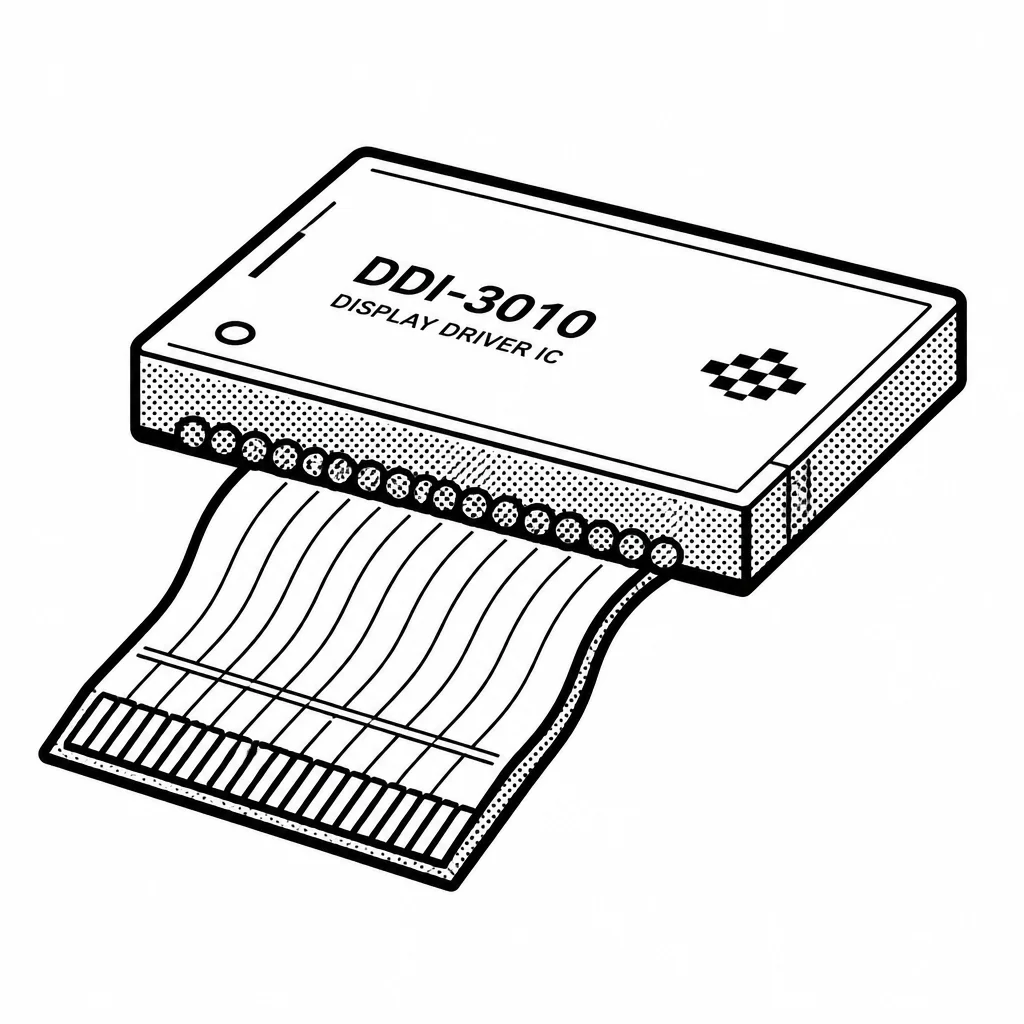
The display driver is the quiet workhorse. Every screen has millions of pixels, and each one needs a tiny electrical nudge at exactly the right moment. A driver chip does that nudging, converting digital instructions into voltages the panel can use. Novatek is one of the world's largest suppliers of these drivers, especially for the large LCD panels used in TVs and monitors, and it has pushed hard into the more advanced chips that drive OLED screens. The system-on-chip side is where it tries to earn better margins: instead of selling a commodity part, it sells a richer chip that handles several jobs at once, like a security camera's image processing or a monitor's scaling and timing. The customers are the companies that build panels and assemble devices — panel makers and contract manufacturers across Asia, who then sell to brands. Novatek's edge comes from doing driver and SoC design under one roof, so it can bundle chips and keep costs down, plus deep ties to the foundries that actually manufacture its designs. The flip side is that it lives and dies with consumer electronics demand: when TV and phone sales stall, orders dry up fast, and it faces fierce competition from other Taiwanese and Chinese chip designers who will fight on price. Its design-only model means it carries no factories, which keeps it asset-light, but it also means it depends entirely on foundry partners to make its chips.
The company channels its cash into research and development and into paying shareholders, with a steady dividend being the main return. It has kept a strong balance sheet and largely avoided big, risky acquisitions, preferring to grow its own product lines. That conservative streak has served it well through the industry's boom-and-bust cycles, though it also means its fortunes remain tightly bound to the screen and gadget markets it knows best.
Saved answer · last researched 12 Nov 2026
Timeline
Two Brothers and a Spin-Off
In 1997, a chunk of chip designer UMC broke off to become its own company, Novatek, setting up shop in Taiwan's Hsinchu Science Park with about 120 people and T.S. Ho as chairman. Its first job was making the small support chips that sit around a computer — the parts that handle keyboards and mice. It got so good at those humble chips that it became the world's biggest supplier of keyboard and mouse controllers. Not bad for a company whose entire product line was basically the stuff you never think about.
A Bet on Screens
Then the company made a bet that would define it: starting in 1999, it moved into the chips that drive LCD panels. These driver ICs are the invisible middlemen that tell each pixel on a screen how bright to shine. After 2000, that bet became the whole plan, with LCD drivers and more complete system-on-chip products taking over.
Going Public on the OTC Market
By 2001, Novatek was ready for public money, listing its shares on Taiwan's OTC market that April. It was a first step toward the big leagues of Taiwan's stock market.
Up to the Main Board
A year later, the company graduated to the main board of the Taiwan Stock Exchange under stock code 3034. Being on the main board gave it a wider pool of investors and a louder public voice.
Buying Its Way Into Consumer Gadgets
In late 2007, Novatek bought Cheertek, a Winbond affiliate. The deal pushed it past driver chips into consumer products — set-top boxes, digital photo frames, DVD players — giving it new things to sell and a broader reason for customers to call.
The World's Biggest Driver of Displays
By 2010, the bet on screens had paid off in a big way: Novatek held about a fifth of the global market for display driver ICs and was the world's largest supplier for large-area displays. The top panel makers and brand names were using its chips — the kind of stamp of approval that makes a chipmaker very hard to dislodge.
Beyond Drivers
By 2026, Novatek looked like a different company. Gross margin hit a record and profit jumped, but the real story was the mix: AI-related chips passed half of revenue, system-on-chips became the biggest slice, and automotive touch-and-display chips and OLED drivers drove growth. The little keyboard-chip spin-off had grown into an edge-AI and OLED player, no longer just a driver-IC business.