Understand any stock in simple English
Enter a ticker to learn what the company does and how it makes money.
Yihai Kerry Arawana Holdings Co., Ltd
Yihai Kerry Arawana makes and sells cooking oil, rice, flour, noodles, sauces, and feed ingredients, mostly for Chinese kitchens and food companies.
Yihai Kerry Arawana is one of China's biggest food companies, and its products show up in millions of home kitchens, restaurant woks, and factory production lines every day. The company turns soybeans, wheat, rice, and other farm crops into the staples people cook with: cooking oil under its flagship Arawana brand, bags of rice and flour, noodles, and condiments like soy sauce. It also sells the leftovers from all that processing as feed ingredients for livestock, so almost nothing goes to waste.
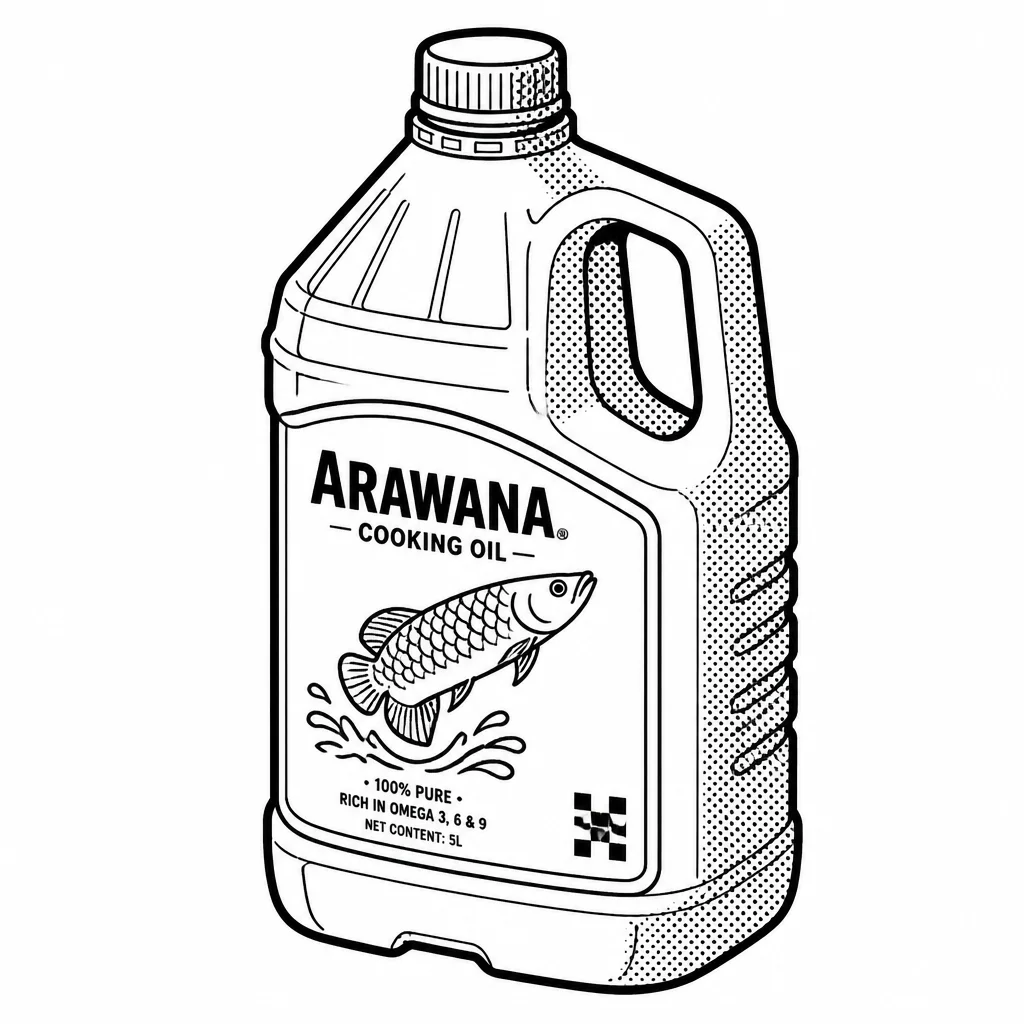
The business runs on volume and distribution. Wilmar International, the giant Singapore-listed agribusiness group, controls the company, which gives it deep roots in buying raw materials like palm and soybean oil from around the world. That sourcing muscle matters, because the raw ingredients are the single biggest cost in this business. Yihai Kerry then pushes its brands through a vast network of supermarkets, small shops, caterers, and food manufacturers across China. Households pay for trusted everyday brands; restaurants and food factories pay for consistent bulk supply. The economics are thin-margin and scale-driven, much like a grocery chain. A bottle of cooking oil earns only a small profit per unit, so the company lives on enormous sales volumes and efficient logistics. That makes it vulnerable to swings in commodity prices and to competition from other big Chinese粮油 players and store brands. It also means food safety scares or a hit to brand trust can hurt badly, since shoppers can easily switch cooking oil brands.
The company listed on the Shenzhen Stock Exchange in 2020, raising billions of yuan in one of China's larger recent IPOs. Its scale and brand reach give it real advantages, but investors have watched its profits closely as commodity costs and China's slower consumer spending squeeze the thin margins. It is, in short, a giant food-processing machine that feeds China one bottle of oil and bag of rice at a time.
Saved answer · last researched 12 Nov 2026