Understand any stock in simple English
Enter a ticker to learn what the company does and how it makes money.
Elite Semiconductor Microelectronics Technology Inc.
Elite Semiconductor designs and sells memory chips and mixed-signal chips that other companies build into their electronic products.
Elite Semiconductor is a Taiwanese chip designer that makes memory chips — the parts inside electronics that hold data — along with mixed-signal chips that blend analog and digital functions. Its main products are DRAM, the working memory computers and devices use to run programs, and flash memory, which stores data even when the power is off. It sells these chips to customers in Taiwan, across Asia, and around the world.
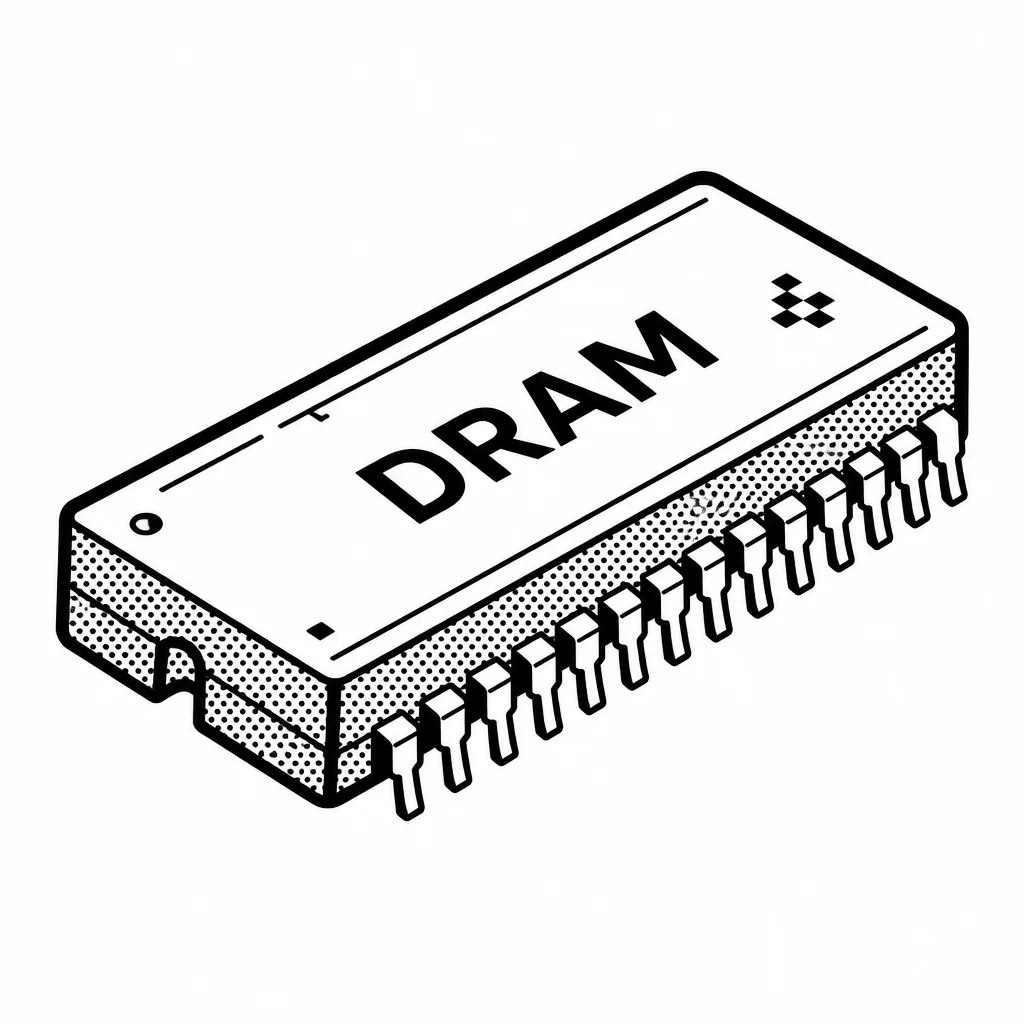
The company is what the industry calls a "fabless" chip firm: it designs the chips but does not own the expensive factories that manufacture them. Instead, it hires foundries like TSMC and United Microelectronics to actually build the silicon, then sells the finished chips to device makers. This keeps Elite's costs lighter than a company that owns fabs, though it also means it depends on foundries for capacity and pricing. Memory chips are a notoriously cyclical business. When demand is strong and supply is tight, prices and profits soar; when the cycle turns, prices can collapse and everyone in the industry suffers. Elite is a smaller player competing against giants like Micron, Samsung, and SK Hynix, so it tends to focus on specialized niches — particular memory types and applications where it can serve customers that the big players overlook. It also sells mixed-signal chips, which add a steadier, less commodity-like stream of business.
For investors, Elite is essentially a bet on the memory cycle plus the company's ability to carve out profitable niches within it. The stock moves with memory prices and demand for consumer electronics, and the business is exposed to the same supply-and-demand swings that hit every memory maker. It pays attention to growing areas like specialty DRAM and niche flash, where smaller volumes and specific customer needs can support better margins than the mass market.
Saved answer · last researched 16 Nov 2026