Understand any stock in simple English
Enter a ticker to learn what the company does and how it makes money.
Victory Giant Technology (HuiZhou) Co., Ltd.
Victory Giant Technology makes high-density printed circuit boards — the boards that connect and carry signals between chips inside electronics — for AI servers, cars, communications gear, and data centers.
Victory Giant Technology makes the boards inside the machines. Its printed circuit boards, or PCBs, are the flat sheets that hold chips and route electrical signals between them — the skeleton and nervous system of almost any electronic device. The company specializes in high-density boards, the kind with many layers and very fine wiring that cram more connections into a small space.
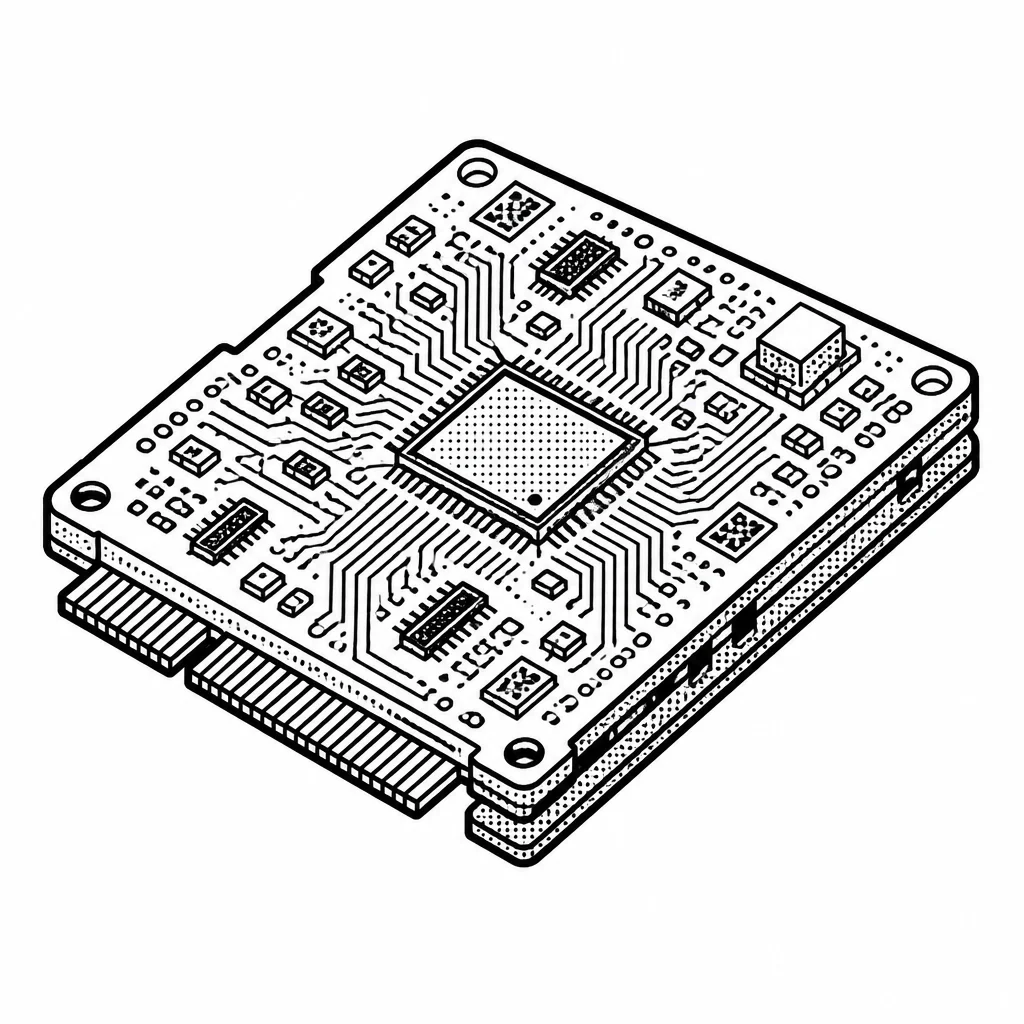
Its most important customers are the makers of AI servers and data center equipment, where powerful chips need boards that can handle huge amounts of signal traffic without losing speed. That AI-driven demand has been the big story for the company lately, turning it from a solid mid-tier board maker into a much bigger player. It also sells boards for cars, communications equipment, and general electronics. The business is simple to describe but hard to do well. Customers pay Victory Giant for boards that must be reliable and precise, and switching suppliers mid-product is painful, which gives established board makers some stickiness — but the field is crowded. Rivals include huge Taiwanese and Chinese board manufacturers, and customers constantly push for lower prices. Victory Giant's edge has come from moving early and aggressively into the high-end boards AI hardware needs, and from building capacity quickly enough to keep up.
Making boards is a capital-hungry business: you need factories, plating lines, and expensive equipment, and you have to keep upgrading them to stay at the leading edge. That means the company's free cash flow is largely plowed back into new plants and technology rather than handed out. The bet is that demand for AI-grade boards keeps climbing and that Victory Giant holds its spot among the suppliers who can actually make them at scale.
Saved answer · last researched 12 Nov 2026