Understand any stock in simple English
Enter a ticker to learn what the company does and how it makes money.
Chaozhou Three-Circle (Group) Co., Ltd.
Three-Circle makes tiny ceramic parts that go inside phones, cars, and optical networks.
Three-Circle makes the small, unglamorous parts that keep modern gadgets working. Its specialty is technical ceramics — materials that can handle heat, friction, and electrical signals in ways metal and plastic cannot. You will not see its products on a shelf, but they sit inside smartphones, cars, and the fiber-optic systems that carry internet traffic.
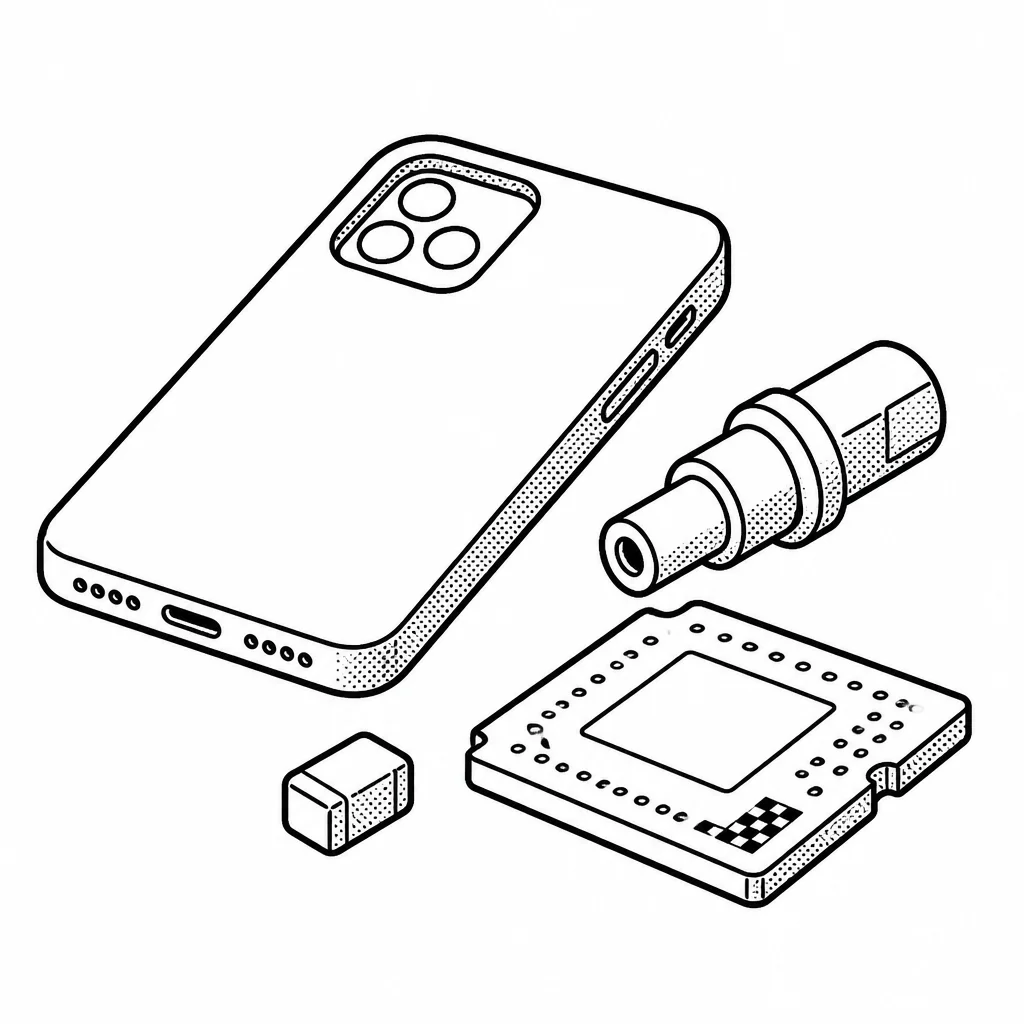
The business has three main legs. One makes ceramic packages and components for electronics — the protective housings and connectors that keep chips and sensors safe. Another makes optical communication parts, such as the ceramic ferrules that align glass fibers so light can pass through cleanly; this is the plumbing of the internet's backbone. A third serves cars, making ceramic parts for sensors and other under-the-hood electronics. The company is based in Chaozhou, in southern China, and has grown with the country's electronics manufacturing base. The appeal for customers is precision and reliability at scale. A ferrule or package that is off by a hair can ruin a signal or a device, so buyers stick with suppliers who can hit tight tolerances cheaply and consistently. Three-Circle has invested heavily in its own materials and manufacturing processes, which helps it compete on both quality and cost against Japanese and other global rivals. That kind of quiet component leadership is easy to overlook but hard to displace.
As a publicly traded company on the Shenzhen exchange, it reinvests much of its cash into expanding capacity and developing new ceramic applications. The risks are real: demand is tied to electronics and auto cycles, customers are concentrated, and competition is tough. But the underlying story is simple — a maker of precision ceramic parts that a lot of modern technology quietly depends on.
Saved answer · last researched 12 Nov 2026