Understand any stock in simple English
Enter a ticker to learn what the company does and how it makes money.
Taiwan High Speed Rail Corporation
Taiwan High Speed Rail runs the bullet train that connects cities along Taiwan's west coast and earns money from tickets and station shopping.
Taiwan High Speed Rail is the bullet train that zips up and down Taiwan's west coast. It carries passengers between Taipei in the north and Kaohsiung in the south in about 90 minutes, a trip that takes around four hours by regular train and much longer by car. For a lot of people on the island, it has become the default way to travel for business, family visits, and holidays.
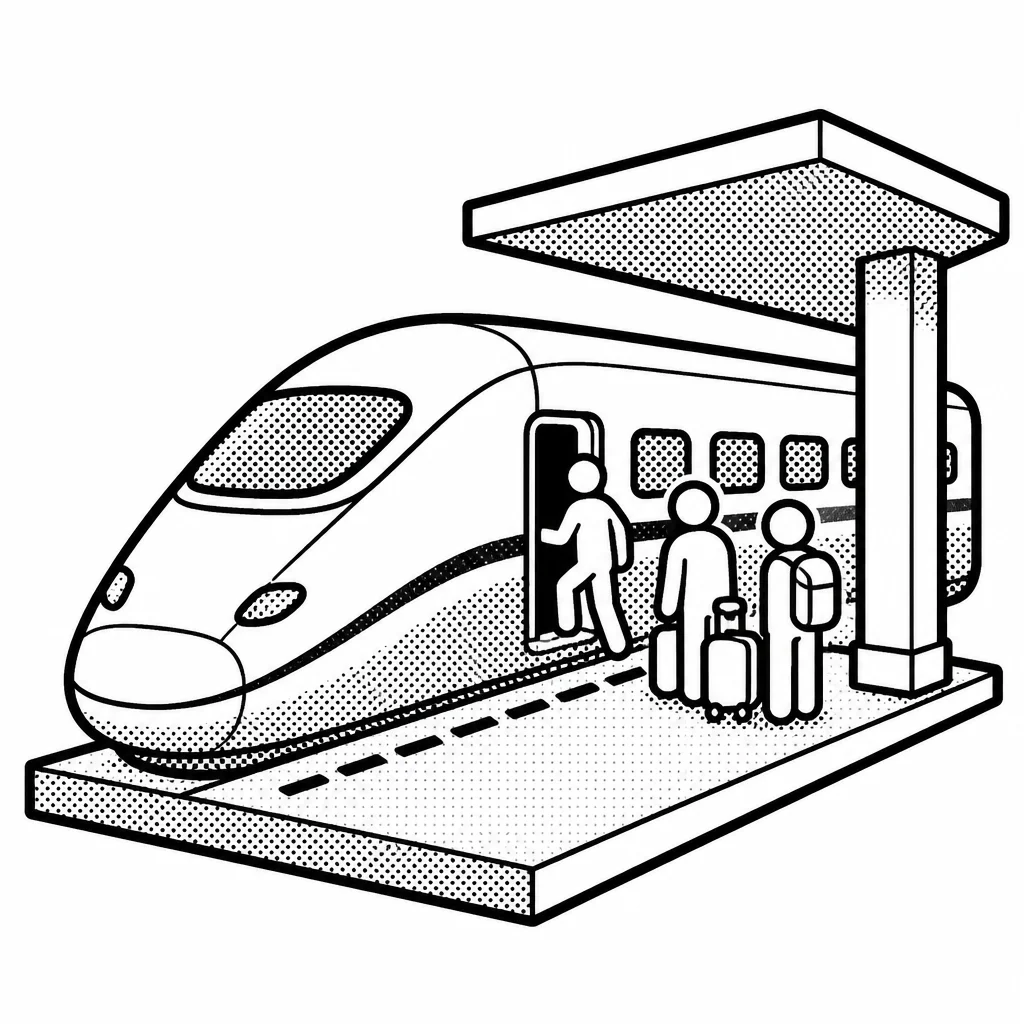
The core business is simple: sell tickets. The train runs on a dedicated track built for high speed, so it can hit 300 kilometers per hour. It stops at a string of stations that connect the big cities and some smaller towns, and it competes mainly with conventional rail, intercity buses, and domestic flights. Flying between Taipei and Kaohsiung used to be busy — the high-speed train largely killed that market. It also competes with driving, which means its real selling point is time saved. The train ticket alone doesn't tell the whole story. Around each station, the company runs or leases commercial space — shops, restaurants, and retail areas — and it earns rent and related income from that. It also makes money from advertising and other station services. These side businesses matter because they bring in cash without needing to run more trains, and they turn stations into places people actually spend time and money.
One thing to understand: this is a company with heavy debt and a big fixed cost base. Building the railway cost an enormous amount, and the early years were financially painful — the original private investors struggled under the debt load, and the government stepped in to restructure the ownership. Today the business generates steady cash from millions of riders a year. Its strengths are its near-monopoly on fast north-south travel and its valuable station real estate. Its vulnerabilities are the flip side of that: a huge amount of debt, the cost of maintaining and eventually replacing trains and track, and the fact that growth depends on how many people need to move around Taiwan.
Saved answer · last researched 12 Nov 2026