Understand any stock in simple English
Enter a ticker to learn what the company does and how it makes money.
Ito En, Ltd.
Ito En makes and sells green tea and other drinks, mostly in Japan, and is the country's best-known bottled tea company.
Ito En is Japan's green tea giant. You probably know it from the bottles of unsweetened green tea in convenience-store fridges, sold under its flagship Oi Ocha brand — a name that means something like "tea, please." But the company is more than a drinks maker. It also runs a tea-leaf business, selling loose and powdered tea, and it operates a chain of Tea Leaf shops that feel part café, part tea museum.
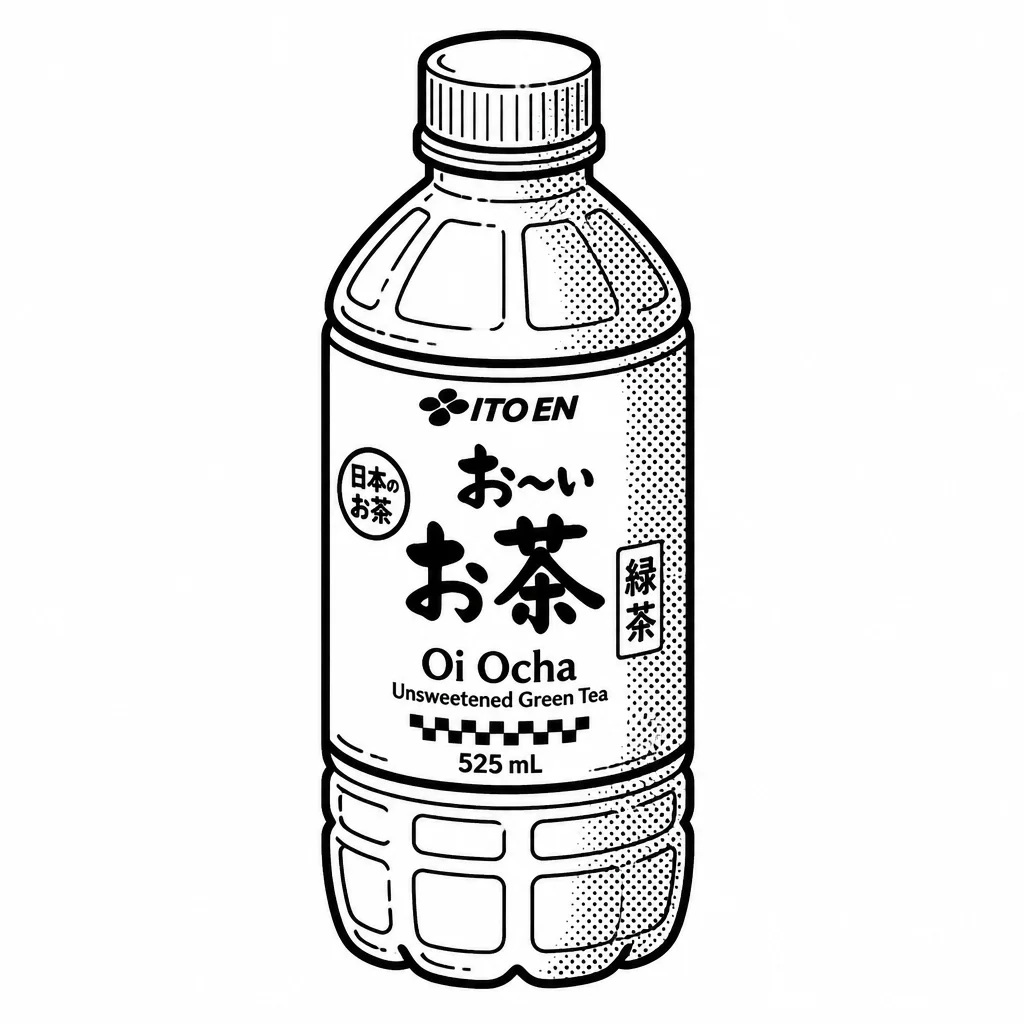
The core of the money story is simple: Ito En buys tea leaves, brews them in factories, bottles the result, and ships it to supermarkets and convenience stores. What makes it different is its stubbornness about taste. Its green tea is unsweetened and brewed to taste like actual tea, which sounds obvious but was quietly radical in a market full of sweet drinks. Japanese customers, who take their green tea seriously, reward that. The company also grows and sources much of its own tea, which helps it control quality. The business is not just Japan. Ito En sells in the United States and elsewhere, mostly through its Ito En (North America) arm, where its unsweetened green tea and matcha products have found a health-conscious following. But its home market is where the volume and the brand power live, and Japan's shrinking population and aging tea-drinking habits are a real long-term headwind. It also competes with much bigger beverage companies, though its deep tea expertise gives it a moat they struggle to copy.
Financially, Ito En is a steady, boring-in-a-good-way business: decent profits, modest growth, and a focus on tea rather than chasing every drink trend. It pays a dividend and has generally kept its balance sheet conservative. The interesting question is whether it can translate its Japanese brand strength into overseas growth fast enough to offset a soft home market — a challenge almost every Japanese consumer company faces. Tea, it turns out, is a surprisingly good way to watch that story play out.
Saved answer · last researched 15 Nov 2026