Understand any stock in simple English
Enter a ticker to learn what the company does and how it makes money.
BOC Aviation Limited
BOC Aviation buys airplanes and leases them to airlines around the world, earning rent and fees.
BOC Aviation is one of the world's biggest aircraft leasing companies. It buys planes — mostly narrowbody jets like the Airbus A320 family and the Boeing 737 — and rents them to airlines that would rather not tie up a fortune buying the aircraft themselves. For an airline, this is a fine trade: it pays rent (and gets the plane off its balance sheet) while keeping the flexibility to grow or shrink its fleet as demand changes, instead of committing to a 20-year asset.
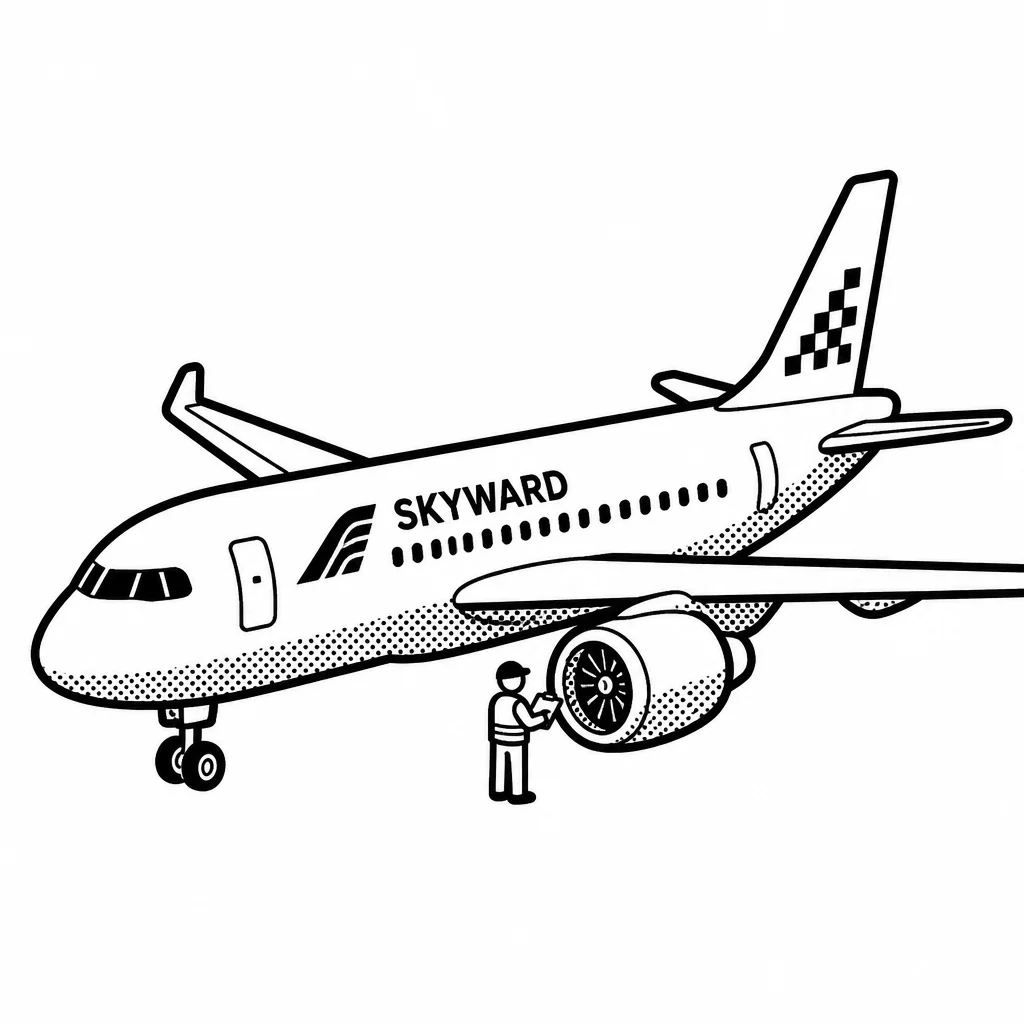
There are basically three ways the company makes money. The core one is aircraft operating leases — it owns the plane and charges rent for years. Then there's sale and leaseback: an airline that already owns planes and needs cash sells them to BOC Aviation and immediately leases them back, which gives the airline money upfront while it keeps flying. Third, it manages aircraft assets for other owners and earns fees. Its customers are airlines of every stripe, from flag carriers to low-cost operators, spread across dozens of countries. It has to win against other big lessors, and it wins largely on financing costs, global reach, and a long track record. The quiet genius of leasing is what it does to risk. BOC Aviation doesn't just collect rent; it tracks the value of the metal. A leased plane is only as good as what it's worth when it comes back, and where it can be redeployed. If an airline collapses, the lessor takes back the aircraft and finds a new home for it — that's why a diversified customer base spread across many regions matters so much. It also means the company is a bit like a landlord who specializes in a very expensive, very mobile kind of apartment.
The company is headquartered in Singapore but sits inside the Bank of China group, which gives it cheap funding — a big advantage in a business where borrowing money to buy $50 million jets is the whole game. It listed in Hong Kong in 2016. The business is cyclical and sensitive to interest rates and airline health, and it took real hits during the pandemic when some airline customers struggled to pay. It has also been a reliable dividend payer, and in 2024 it agreed to buy a large portfolio of aircraft from Castlelake, a deal that showed it keeps growing its fleet even through turbulence.
Saved answer · last researched 16 Nov 2026