Understand any stock in simple English
Enter a ticker to learn what the company does and how it makes money.
Arabian Drilling Company
Arabian Drilling owns and operates drilling rigs that punch oil and gas wells for energy companies in Saudi Arabia, charging them a daily fee for the rig and crew.
Arabian Drilling is a rig-for-hire company. It owns a fleet of land rigs and offshore jack-up rigs, plus the crews that run them, and rents them out to energy producers who need wells drilled. The customer doesn't buy a rig; it pays a day rate for the rig, the crew, and the equipment, usually under contracts that run for years. Those contracts are the whole business — steady, predictable cash as long as the rigs stay busy.
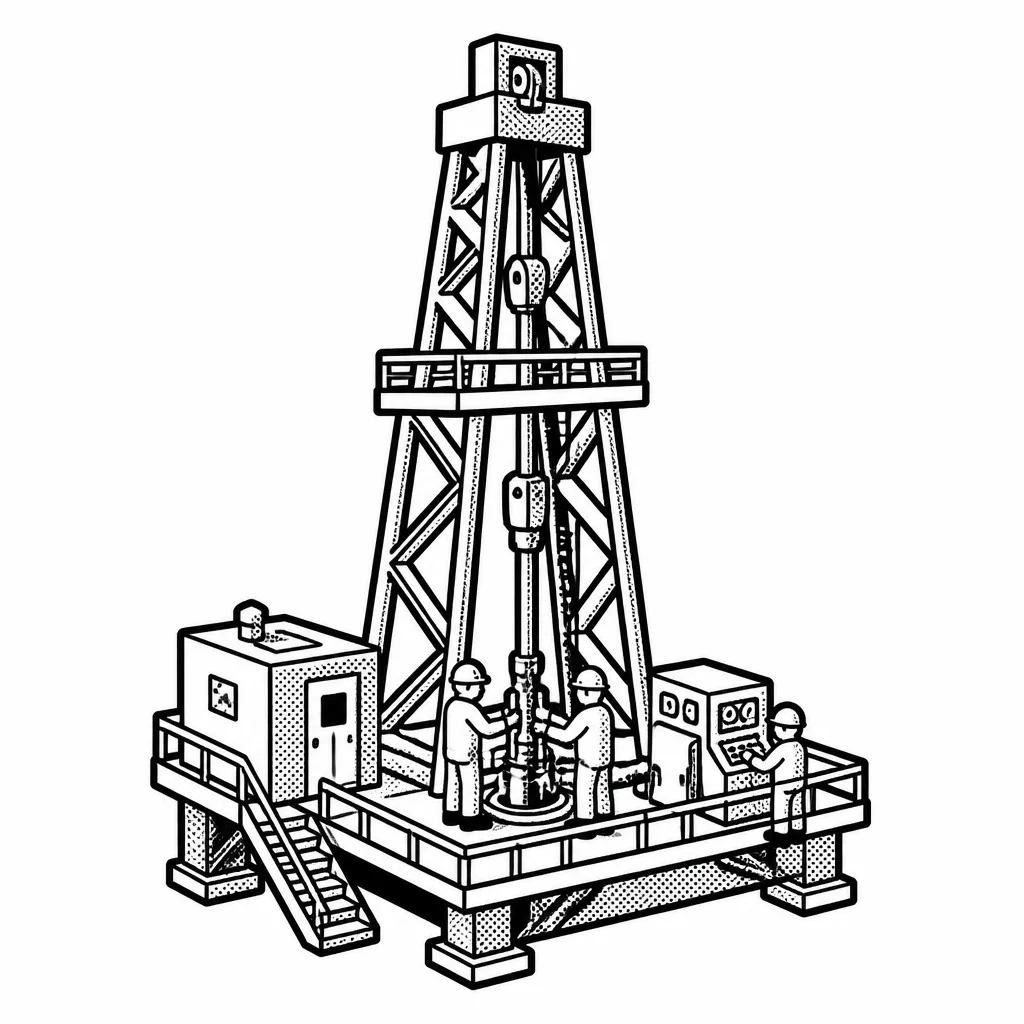
Almost all of its work comes from inside Saudi Arabia, and its biggest customer by far is Saudi Aramco, the state oil giant. That is both the strength and the weakness: Aramco's drilling budget is the company's lifeline, so when the kingdom spends more to keep oil flowing, Arabian Drilling earns more. When Aramco pauses or slows spending, rigs sit idle and revenue drops. Being the local specialist with a long track record and a young, modern fleet is why Aramco keeps calling. The offshore side is the growth story. In recent years the company has expanded its jack-up fleet to serve Aramco's push into offshore oil and gas fields, adding rigs built specifically for that work. Offshore contracts typically carry higher day rates than land work, so a bigger offshore footprint lifts both revenue and margins. At the same time, the company also does some work for other customers, but the vast majority of the money still flows from one buyer.
That concentration is worth being blunt about. Arabian Drilling is a high-quality operator with modern equipment in a market with few rivals, and it throws off real cash when drilling is busy. But its fortunes rise and fall with Saudi oil policy and Aramco's capital spending, and a slowdown there hits it fast. It is a leveraged bet on the kingdom keeping its drill bits turning.
Saved answer · last researched 12 Nov 2026