Understand any stock in simple English
Enter a ticker to learn what the company does and how it makes money.
Rabigh Refining and Petrochemical Company
Petro Rabigh takes crude oil and turns it into fuels and plastics at one giant complex on Saudi Arabia's Red Sea coast.
Petro Rabigh runs one of the biggest oil-to-chemicals complexes in the world, sitting right on the Red Sea coast at Rabigh in Saudi Arabia. It buys crude oil and turns it into two broad families of products: refined fuels like gasoline, diesel, jet fuel, and fuel oil, and petrochemicals like ethylene, propylene, and the polymers made from them — mainly polyethylene and polypropylene, the raw plastic pellets that factories melt into bags, pipes, packaging, and countless other things. Buyers across the Middle East, Asia Pacific, and beyond purchase these outputs.
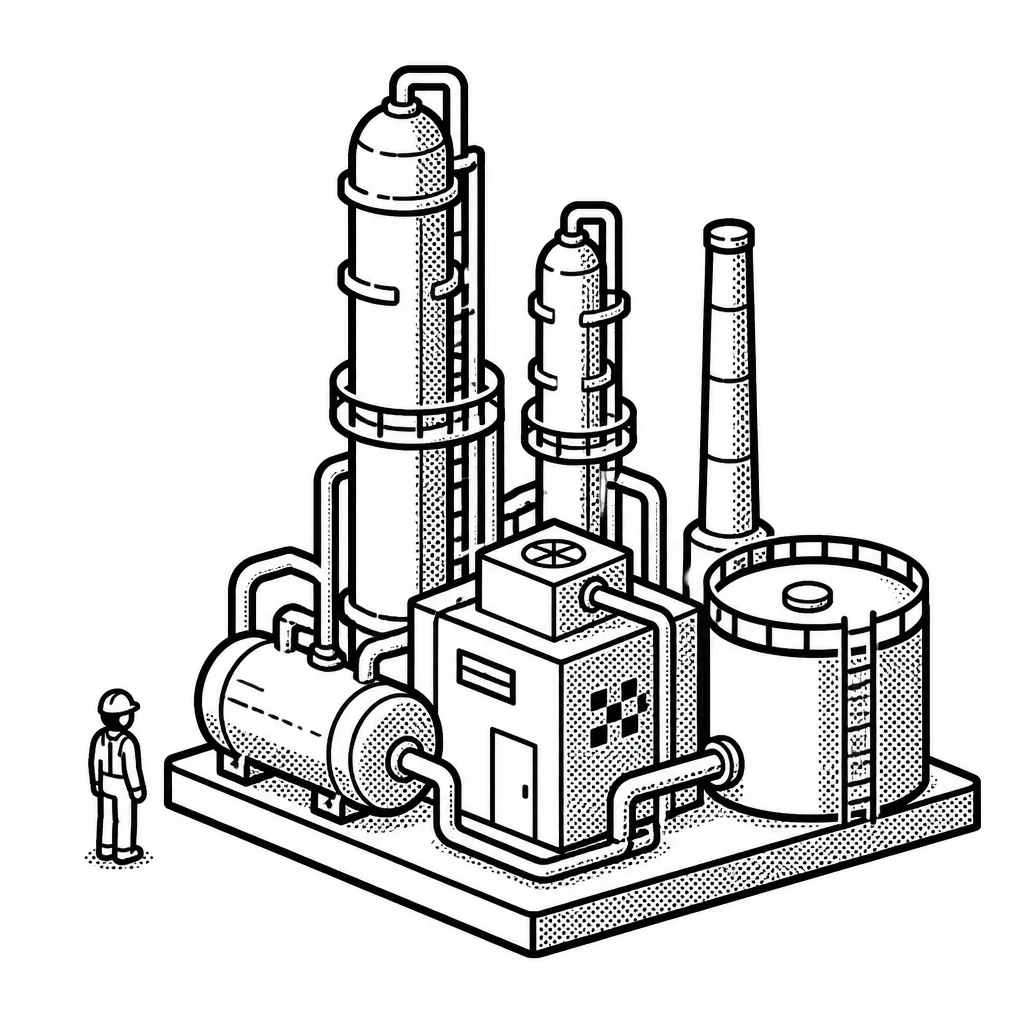
The business model is a refinery and a chemical plant stitched together, and that combination is the whole point. A normal refinery burns crude oil to make fuel; a normal chemical plant buys separate feedstock to make plastic. Petro Rabigh does both from the same barrel of oil, so it can tilt production toward whichever product earns more at any given moment. When fuel prices are strong it leans into fuels; when plastics command better margins it pushes more oil toward the chemical side. That flexibility is its main edge, alongside the cheap, reliable crude supply it gets from its part-owner Saudi Aramco. Its other big shareholder is Japan's Sumitomo Chemical, which brought the chemical technology and helped build the complex. That partnership matters both as a source of expertise and as a reminder of the company's history: Petro Rabigh was born in 2005 as a joint venture between the two, and it listed on the Saudi Exchange in 2008. The location is no accident — sitting on the Red Sea gives it relatively short shipping routes to Asian and European buyers, a real advantage over competitors sending plastic from the far side of the world. The honest part is that this is a deeply cyclical business exposed to forces it cannot control. Cracking crude into fuel and plastic is a commodity game: the products are nearly identical to what everyone else sells, so Petro Rabigh is a price taker, and its profit swings wildly with oil prices, the gap between feedstock costs and product prices, and global demand for plastics. When those margins compress, the company can post real losses — it has done so in weak years — and it carries heavy debt from building such a massive facility. It has also faced operational disruptions, including a major maintenance shutdown in recent years that hit output.
Looking ahead, the company has been working to push further downstream into higher-value specialty chemicals, where margins are steadier than in plain commodity fuel and plastic. That is the sensible strategy for a business whose fate rides on commodity cycles: move toward products where customers pay a premium and where Petro Rabigh's integrated, low-cost position actually counts for something.
Saved answer · last researched 12 Nov 2026