Understand any stock in simple English
Enter a ticker to learn what the company does and how it makes money.
Saudi Kayan Petrochemical Company
Saudi Kayan makes and sells chemicals, polymers, and specialty petrochemical products that other industries turn into everyday goods.
Saudi Kayan is a petrochemical company. It takes basic raw materials derived from oil and gas and turns them into the chemical building blocks that factories use to make everything from plastics and packaging to coatings and consumer goods. Its customers are mostly industrial companies, and many of them are overseas, so the business runs on international trade as much as local demand.
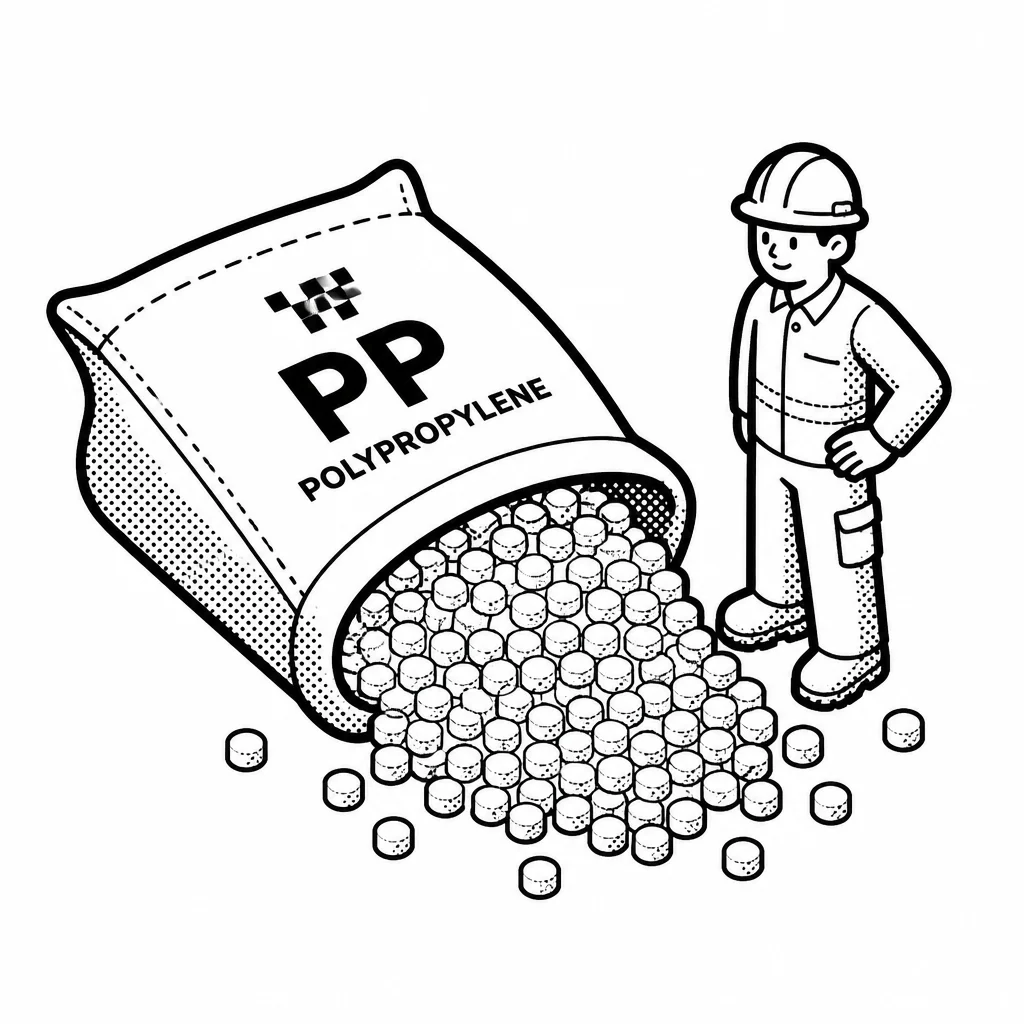
The core of the business is converting cheap feedstock into higher-value chemicals. Saudi Arabia has large, low-cost supplies of the natural gas liquids and other inputs that petrochemical plants run on, which gives producers there a structural cost advantage over rivals in places where raw materials cost more. Saudi Kayan's plant is a large, integrated complex in Jubail, meaning the different production steps sit together on one site and share infrastructure, which helps keep costs down. That advantage cuts both ways. Petrochemical prices are cyclical and set by global supply and demand, so when too much new capacity comes online worldwide or demand slows, prices and margins fall regardless of how efficient a single plant is. Earnings swing hard with the cycle. The company's fortunes are also tied to energy prices, since higher oil and gas prices raise feedstock costs and can squeeze the spread between what it pays for inputs and what it gets for products.
Saudi Kayan is majority-owned by Saudi Aramco, the state oil giant, which supplies much of its feedstock and links it to a huge, integrated refining and chemicals system. That backing is a real strength: reliable input supply and a parent with deep pockets. The flip side is dependence on that parent and on the Saudi government's energy pricing decisions, which directly affect costs. For investors, this is essentially a bet on the global chemicals cycle and on Saudi Arabia's low-cost position within it.
Saved answer · last researched 12 Nov 2026