Understand any stock in simple English
Enter a ticker to learn what the company does and how it makes money.
Advanced Petrochemical Company
Advanced Petrochemical makes the raw chemical building blocks, mainly propylene and polypropylene, that other factories turn into everyday plastic products, plus a few newer lines like polysilicon and solar materials.
Advanced Petrochemical is a Saudi chemical maker that sits near the very bottom of the plastics supply chain. It produces propylene, a basic gas, and then links those molecules together into polypropylene, a plastic pellet that gets melted and molded into everything from car parts and food packaging to carpets and medical devices. Most of us never see the stuff — it disappears into products we use without thinking.
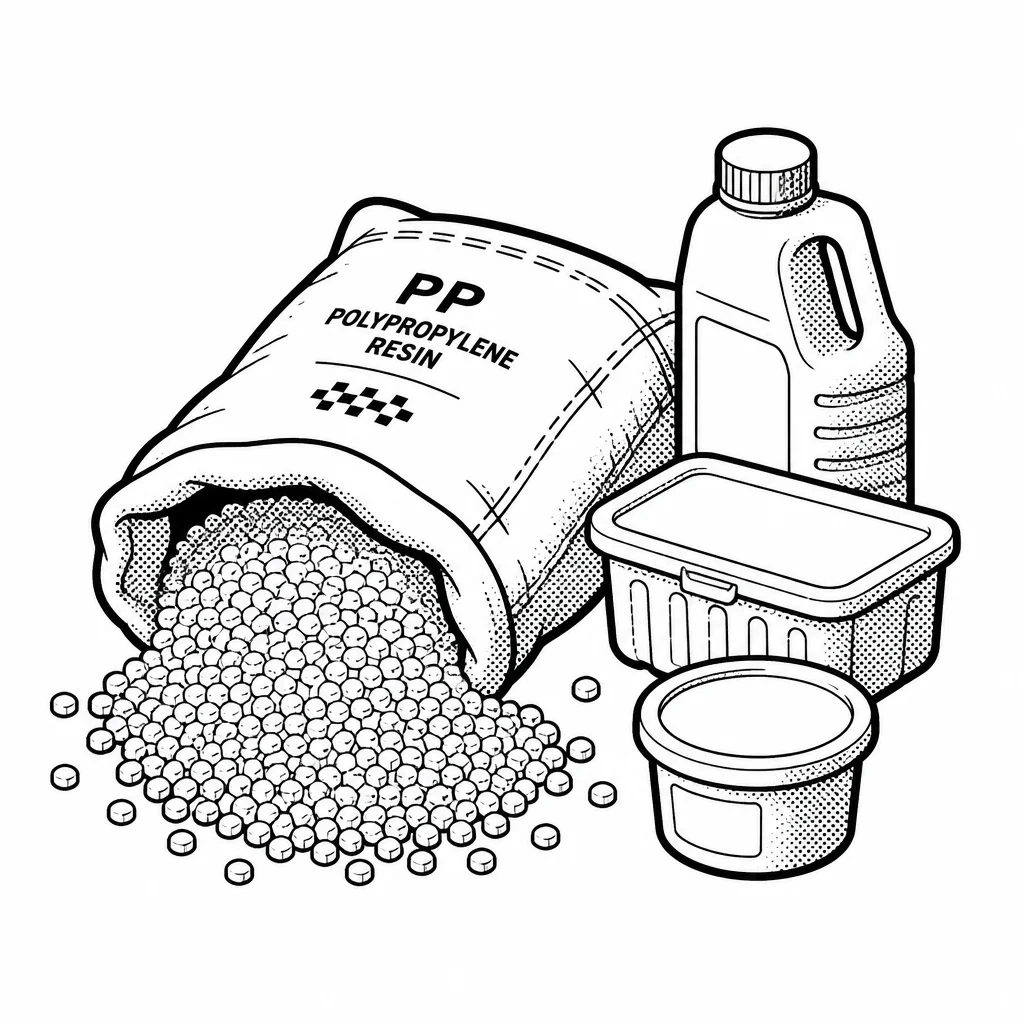
The business works like a toll bridge on the way from oil to your shopping bag. Advanced buys propane, a cheap byproduct of oil and gas processing, cracks it apart in huge furnaces to make propylene, and then polymerizes that into polypropylene pellets it sells to converters across Saudi Arabia and abroad. Because its raw material is tied to oil prices and its selling price is tied to plastic demand, the company lives on the spread between the two — a spread that can swing wildly with the global economy. Its plants sit in Jubail, one of the world's biggest petrochemical clusters, which gives it cheap feedstock and easy shipping. Its main competitors are the giant integrated chemical players like SABIC and international polypropylene makers, but Advanced stays focused on a narrow slice rather than trying to be everything. Beyond the core plastics, Advanced has pushed into newer lines: isopropyl alcohol, a industrial solvent and disinfectant, and — more ambitiously — polysilicon and photovoltaic products, the raw material for solar panels. That solar bet matters because it points toward a future where the company isn't purely tied to plastic demand. It's a strategic hedge, though it also adds complexity and capital spending to a business that used to be mostly one clean product.
The company runs as a Saudi joint stock company on the Tadawul and has historically been generous with cash, paying out large dividends to shareholders rather than hoarding it. Like all chemical makers, it is cyclical and exposed to energy costs, plant outages, and Chinese capacity additions that can crush plastic prices. Investors own it mostly for that dividend and for exposure to Saudi industrial growth, not for excitement.
Saved answer · last researched 12 Nov 2026