Understand any stock in simple English
Enter a ticker to learn what the company does and how it makes money.
Yanbu National Petrochemical Company
Yanbu National Petrochemical Company makes and sells basic petrochemicals — the building blocks used to make plastics, antifreeze, and countless everyday products — from a large complex on Saudi Arabia's Red Sea coast.
Yanbu National Petrochemical Company, usually called Yansab, turns natural gas and other raw materials into the molecules that plastic-makers depend on. These are ethylene and propylene, the basic bricks of plastic; glycols, which go into things like polyester fabric and antifreeze; and the finished plastics polyethylene and polypropylene. Its customers are mostly other manufacturers, in Saudi Arabia and abroad, who buy these materials in bulk and shape them into pipes, packaging, bottles, car parts, and textiles.
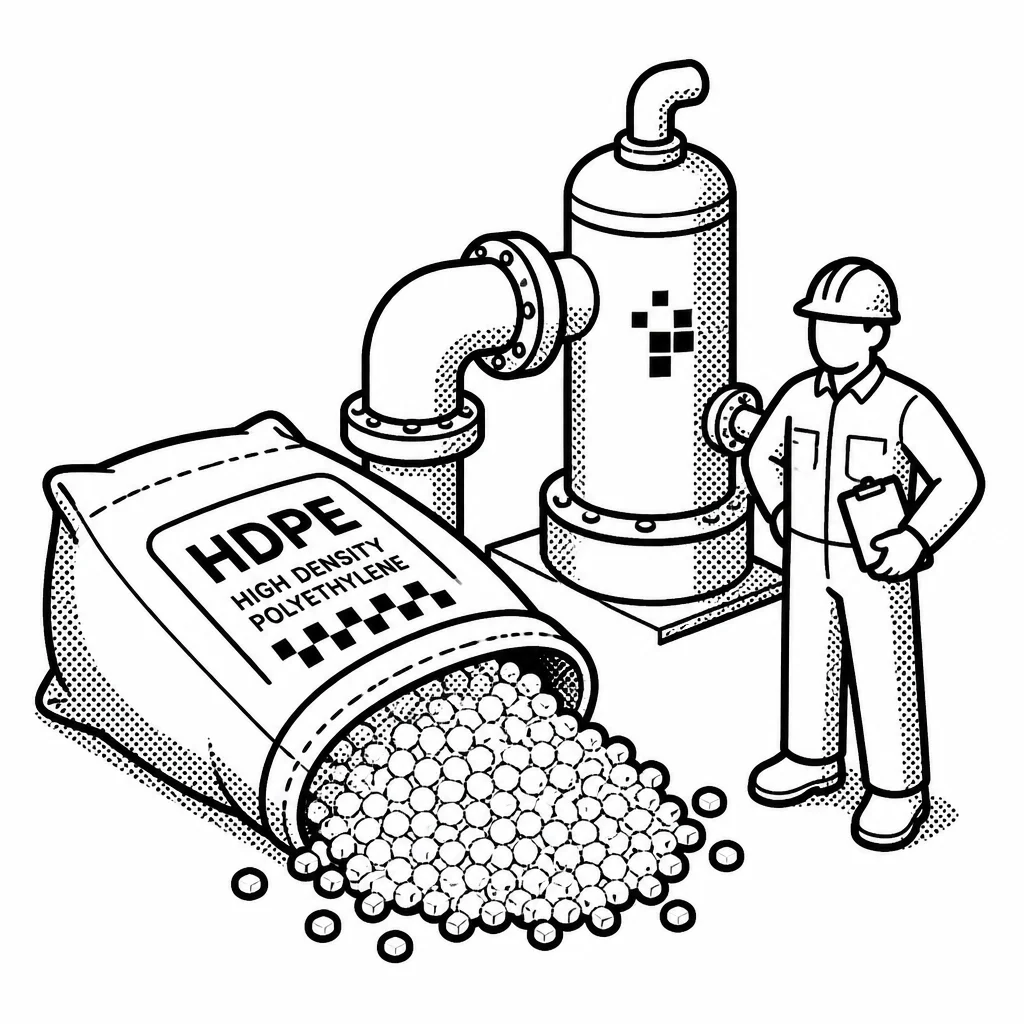
The business is a heavy-industry bet. Yansab built a sprawling petrochemical complex at Yanbu, on Saudi Arabia's west coast, and it runs that plant day and night to churn out chemicals by the ton. That scale matters: when a plant is running full, each extra ton costs very little to make, so cheap natural gas feedstocks and efficient operations are what keep it profitable. The big risk is that this is a commodity business — Yansab sells molecules that are nearly identical to what competitors sell, so it has little pricing power and lives with the swings of global chemical prices.
Yansab is roughly two-thirds owned by Saudi Basic Industries Corporation, known as SABIC, one of the world's largest chemical makers. SABIC supplies gas feedstock to the plant and is the deep-pocketed parent behind it, which gives Yansab a stable supply chain and an important backer. Much of what Yansab makes gets exported, so global demand and shipping conditions hit the top line hard. Investors treat it as a dividend-and-cyclical stock: the payoff is strong when chemical prices are high and prices from feedstock stay cheap, and it dries up when demand falls and margins compress.
Saved answer · last researched 12 Nov 2026