Understand any stock in simple English
Enter a ticker to learn what the company does and how it makes money.
Meiji Holdings Co., Ltd.
Meiji makes and sells everyday food and drink — yogurt, chocolate, milk, cheese and snacks — plus medicines and vaccines for hospitals and pharmacies.
Meiji is a Japanese company that feeds people and treats them. You probably know it best for its food: cups of yogurt, chocolate bars, milk, cheese, and baby formula. It is one of Japan's largest dairy and confectionery makers, and brands like Meiji Milk Chocolate and Bulgaria yogurt are household names at home.
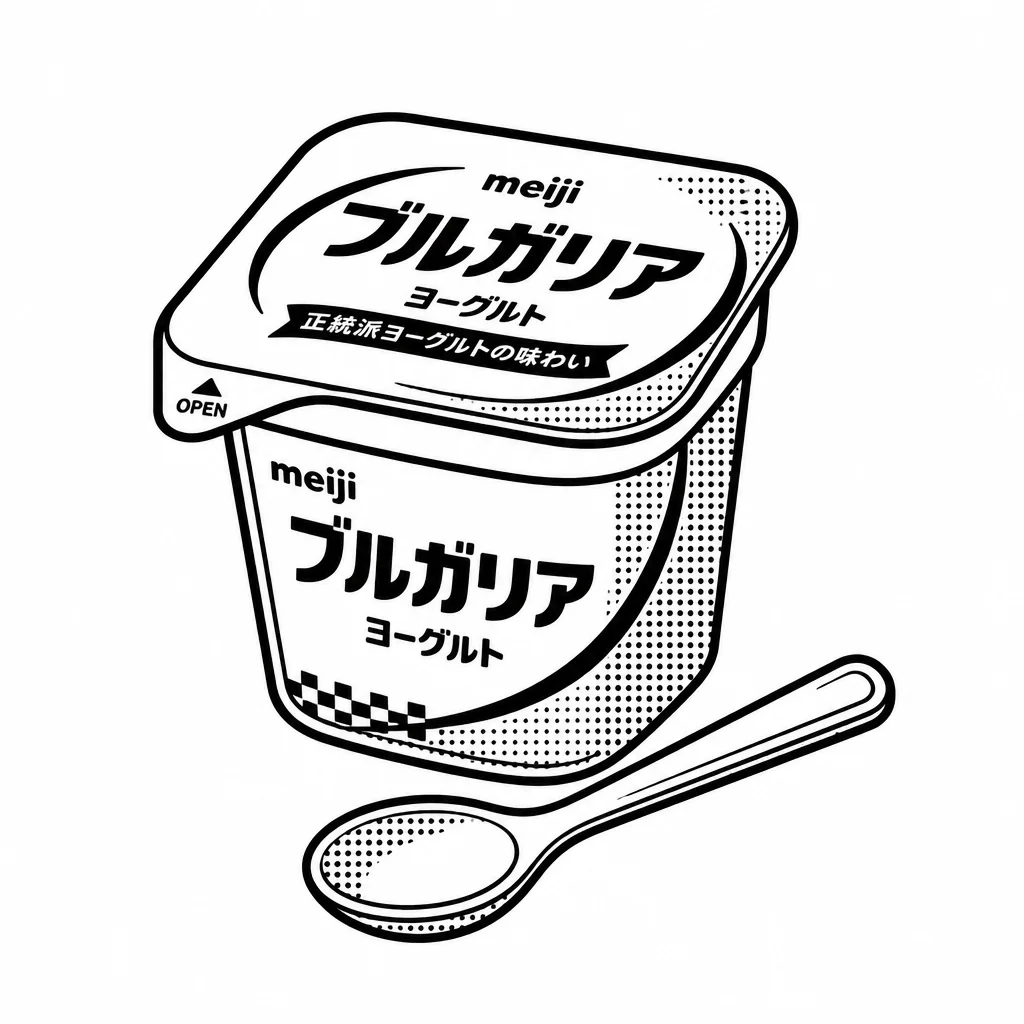
The company runs two very different businesses under one roof. The food side — dairy, sweets, snacks, and beverages — sells to supermarkets and convenience stores, and it is the bigger, steadier half. The pharmaceutical side makes medicines, vaccines, and over-the-counter drugs for hospitals, clinics, and pharmacies. That second half matters more than its size suggests, because drug margins are wider than the thin margins on a carton of milk. Here is why the two halves fit. Food is a low-margin, high-volume grind: cows make milk, factories turn it into yogurt and chocolate, and supermarkets squeeze the price. Pharma rewards research and patents. So Meiji uses the cash flow from everyday snacks and dairy to fund drug development, and the drug profits help smooth out swings in food costs. That mix makes it more resilient than a pure dairy company. Its main Japanese rivals in food are Megmilk Snow Brand in dairy and Morinaga in confectionery, though Meiji's combination of food and medicine is unusual.
Meiji is also expanding overseas, especially in Asia, where rising incomes mean more people can afford branded snacks and dairy. It has been buying companies in places like Thailand and India to grow beyond a shrinking Japanese population. The company returns a good chunk of its cash to shareholders through dividends and share buybacks, while still spending on factories and drug research. The simple version: Meiji sells comfort food by the millions and medicines by the prescription, and it uses one to pay for the other.
Saved answer · last researched 14 Nov 2026