Understand any stock in simple English
Enter a ticker to learn what the company does and how it makes money.
SIMMTECH Co., Ltd.
SIMMTECH makes the high-layer printed circuit boards that sit inside memory chips and semiconductor packages.
SIMMTECH makes one of the least glamorous but most essential parts of modern electronics: the tiny, densely packed circuit boards that carry and connect memory chips inside phones, computers, and servers. These are called package substrates—essentially the bridge between a bare silicon chip and the larger circuit board it plugs into. Without them, a memory chip can't talk to the rest of the device.
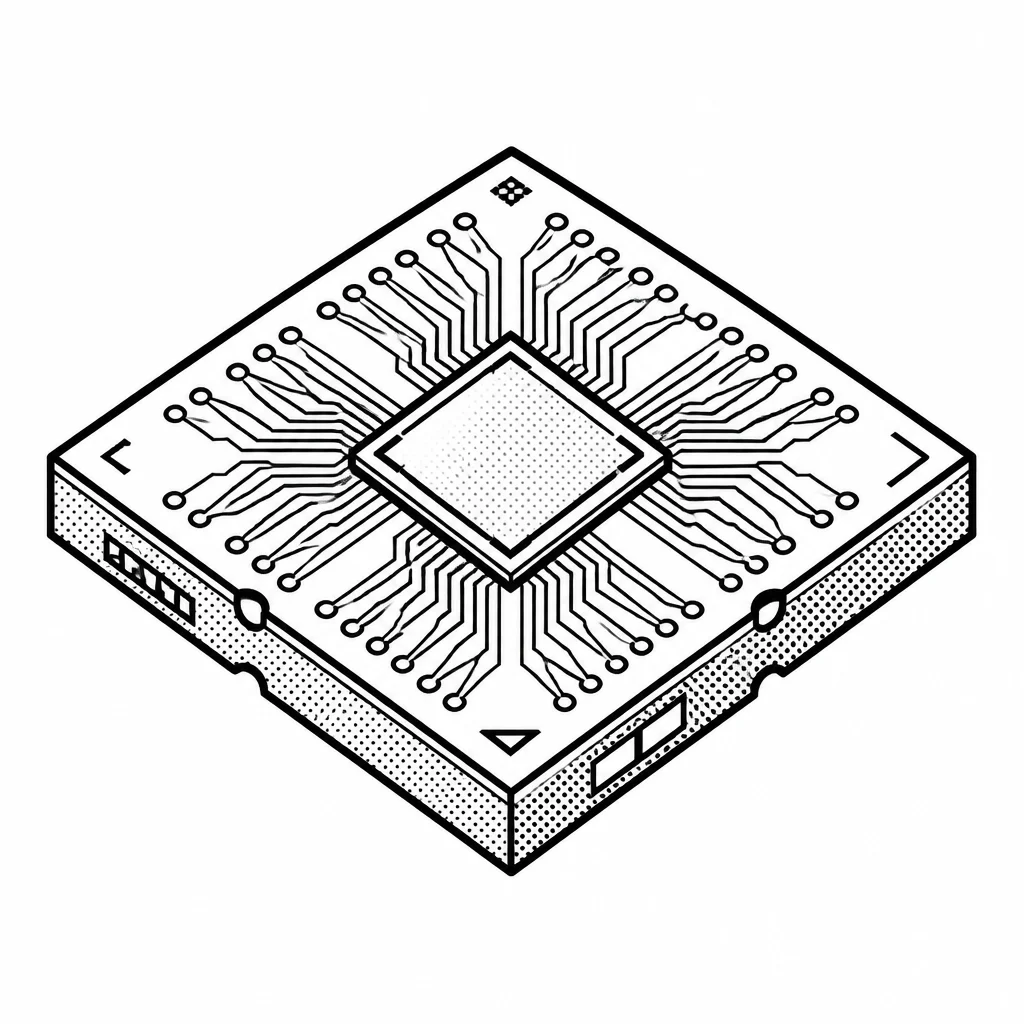
The company's specialty is high-layer printed circuit boards, meaning boards built with many layers of wiring stacked tightly together so signals can travel between chips with minimal loss. SIMMTECH's main customers are the big memory chipmakers, who buy these substrates and package their DRAM and NAND flash chips on top of them. The business rises and falls with the memory cycle: when memory demand booms, chipmakers crank out more chips and need more substrates, and when memory prices sag, orders slow down. SIMMTECH is headquartered in South Korea, close to the country's memory giants, which helps explain why it sits inside that supply chain. Its main competitors are other substrate makers, largely in Asia, but the technical bar for high-layer boards is high enough that only a handful of firms can supply the leading memory producers reliably. That gives the company a real moat—until a rival builds a better board or memory demand cools.
The company plows cash back into building and upgrading factories, since substrate manufacturing is capital-hungry and capacity is the constraint on growth. It's a classic "picks and shovels" supplier: it doesn't sell memory itself, but it earns a fee every time the memory industry grows.
Saved answer · last researched 12 Nov 2026