Understand any stock in simple English
Enter a ticker to learn what the company does and how it makes money.
ACWA Power Company
ACWA Power builds and runs big power plants, water desalination plants, and green hydrogen facilities, then sells the electricity and clean water they produce.
ACWA Power is one of the world's biggest builders of power and water plants, and its customers are mostly governments and state-owned utilities. The company doesn't just sell equipment — it develops a project, puts up much of the money to build it, owns a share of the finished plant, and then operates it for decades. In exchange, customers sign long-term contracts, often 20 to 25 years, promising to buy the electricity or desalinated water at agreed prices. That predictable, contracted cash flow is the whole engine of the business.
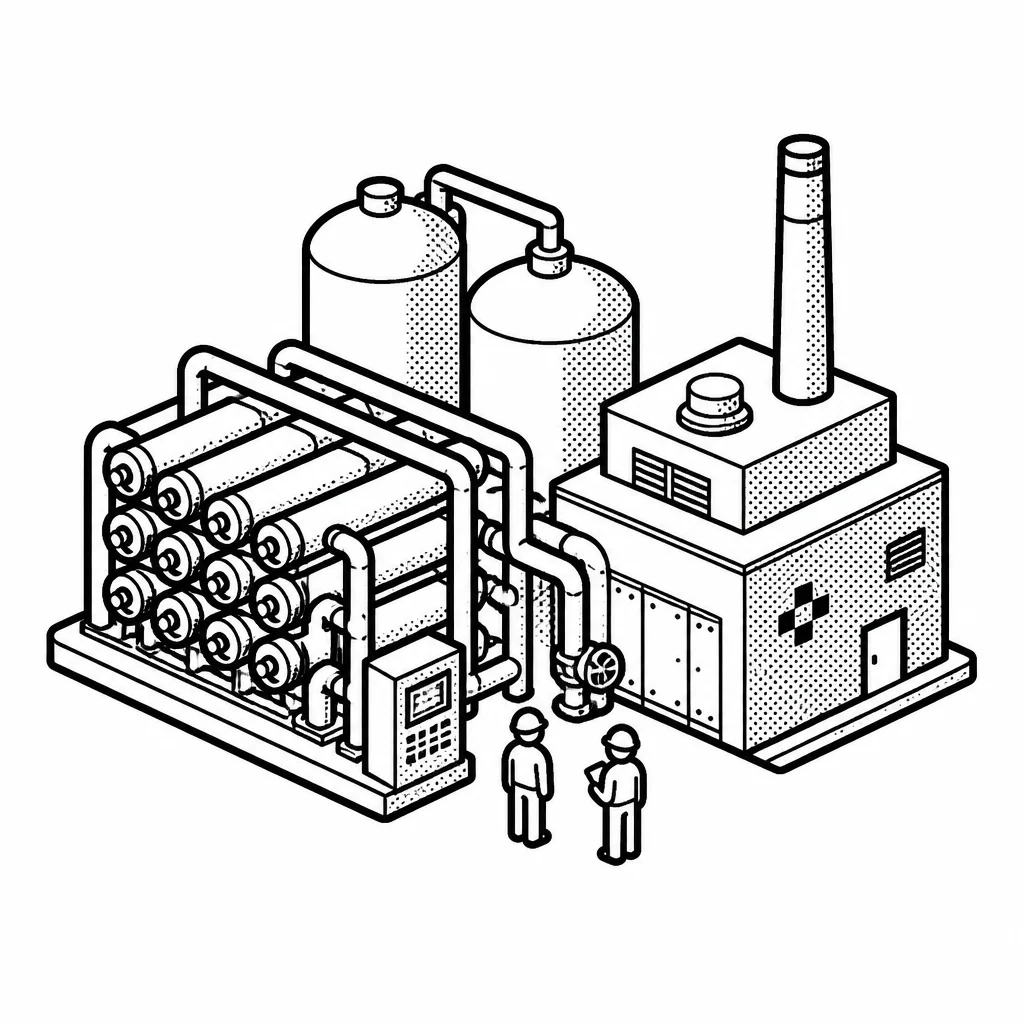
It works across three main areas. The largest is power generation, where it builds and runs plants that burn natural gas or use the sun and wind — it is a major player in solar and has pushed heavily into renewables. Second is water desalination, which matters enormously in the Gulf, where drinking water largely comes from the sea; ACWA Power runs some of the biggest desalination plants on earth. Third is green hydrogen, the newest and flashiest bet, including a large project in Saudi Arabia. It earns money by selling electricity and water under those long contracts and by taking a slice of profit from the plants it co-owns. The big idea to grasp: these are enormous, expensive projects — a single plant can cost billions of dollars. ACWA Power spreads that risk by bringing in partners and lenders, keeping a stake itself, then collecting steady fees and dividends over the plant's life. Backed by Saudi Arabia's sovereign wealth fund, the Public Investment Fund, it has grown fast and expanded far beyond the Gulf into markets across the Middle East, Africa, and Asia. Its edge is scale plus cheap financing plus deep relationships with governments that need power and water.
The catch is that this is a capital-hungry, debt-heavy business. It depends on winning new contracts, on governments actually paying, and on keeping borrowing costs low. When interest rates rise, the math gets harder. Still, the demand it serves — electricity and clean water for growing populations — is about as reliable as demand gets, and its push into solar and green hydrogen positions it for a world trying to cut carbon.
Saved answer · last researched 12 Nov 2026