Understand any stock in simple English
Enter a ticker to learn what the company does and how it makes money.
Savola Group Company
Savola makes and sells everyday foods like cooking oil, sugar, pasta, and spices to shoppers and stores, mostly across the Middle East.
Savola is one of the biggest food companies in the Middle East. It makes the everyday kitchen basics people reach for constantly: cooking oil, sugar, pasta, and spices, plus a wider range of groceries. It sells these to ordinary shoppers through supermarkets and to retailers who stock its brands, and its products show up in kitchens across Saudi Arabia and the surrounding region.
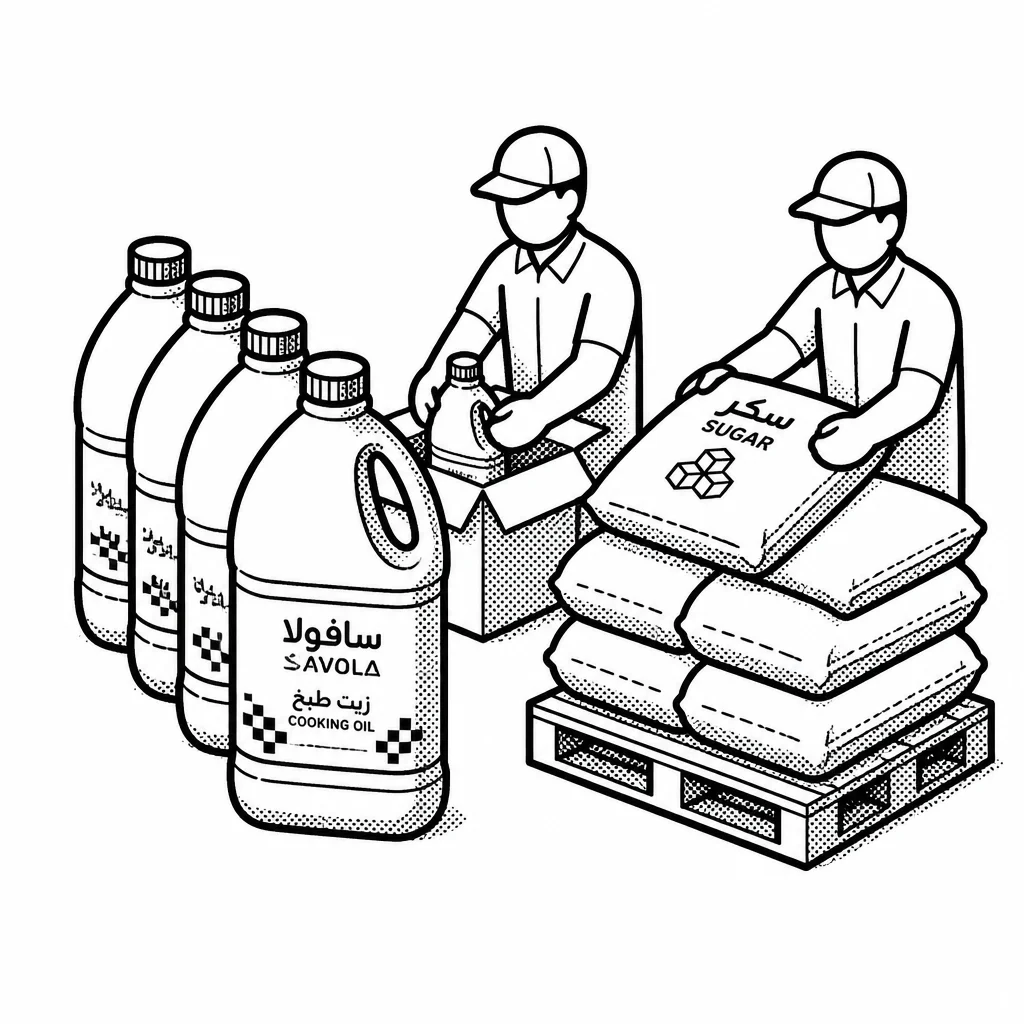
The business runs on familiar brands people trust and buy again and again. Its edible oils business is a regional leader, and its sugar refining operation is one of the largest of its kind in the region. There is also a pasta and spices arm. The logic is simple: staple foods are things households buy no matter how the economy is doing, so demand stays steady. Savola's edge comes from strong brand names, a big distribution network that gets products onto shelves everywhere, and the scale to make them cheaply. The company is headquartered in Jeddah, Saudi Arabia, and it is listed on the Saudi stock exchange. One thing worth knowing is that Savola has been reshaping itself. It long held a large stake in a big regional retail chain, and it has been working to simplify into a focused food business. Like many food makers, it lives with thin margins and swings in the cost of raw materials like sugar and palm oil, which it mostly has to buy on global markets. Those input costs can squeeze profits even when sales are healthy.
For investors, Savola is the kind of steady, dividend-paying staple company that doesn't need to invent the next big thing. It earns money by selling huge volumes of low-cost essentials and keeping its brands on shelves. The risks are the boring but real ones: commodity prices, currency moves, and competition from other food producers. The opportunity is the same thing that has always driven it — a growing population in the region that keeps needing oil, sugar, and pasta on the table.
Saved answer · last researched 12 Nov 2026