Understand any stock in simple English
Enter a ticker to learn what the company does and how it makes money.
Saudi Ceramic Company
Saudi Ceramic makes and sells ceramic tiles, bathroom fixtures, water heaters, and red bricks for homes and construction projects, mainly in Saudi Arabia.
Saudi Ceramic is a building-materials company. If you walk into a new home in Riyadh, the floor tiles, the bathroom sink and toilet, and the water heater in the utility room may all have come from this one company. It sells these things to construction companies, contractors, and ordinary households, both in Saudi Arabia and abroad.
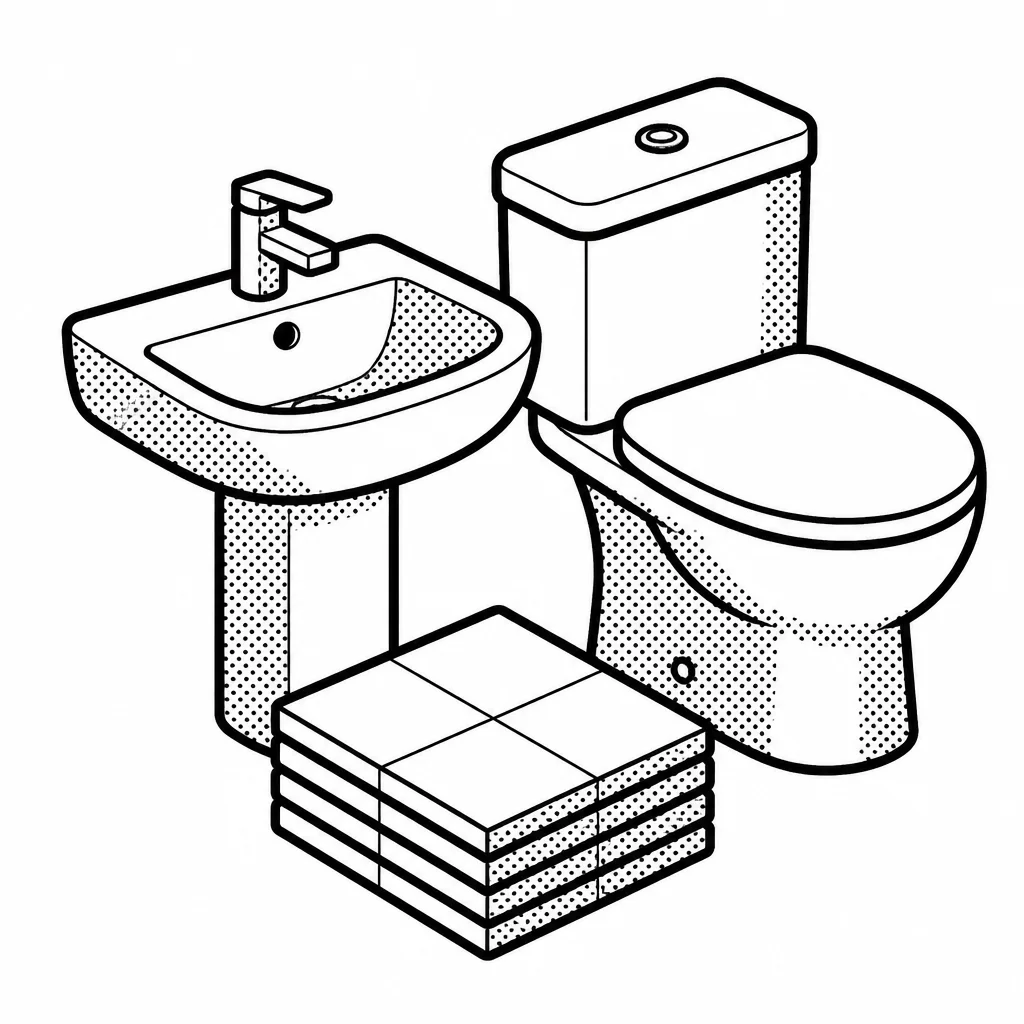
The business splits into a few clear parts. Ceramic tiles are the biggest, used for floors and walls. Sanitary ware covers the toilets, sinks, and bathtubs that fill a bathroom. Water heaters keep the showers warm, and red bricks go into walls. Customers choose Saudi Ceramic largely because it is a trusted local name with a wide catalog — a builder can source tiles, fixtures, and heaters from one supplier instead of juggling several. The company runs on a simple engine: it owns factories that turn clay and other raw materials into finished products, then sells them through showrooms and distributors. That means heavy fixed costs — kilns, plants, and gas — so profits swing with construction demand and energy prices. When Saudi Arabia's building boom is hot, the factories hum; when it cools, the plants sit half-idle. Cheap imported tiles from China and India are a constant competitive pressure, and the company has to defend on quality, brand, and local service rather than price alone.
Saudi Ceramic is headquartered in Riyadh and has been listed on the Saudi stock exchange, Tadawul, since the 1990s, making it one of the older industrial names on the market. Its fortunes are tied closely to the kingdom's construction cycle, including the huge government-backed projects like NEOM and Vision 2030 housing targets. The company pays dividends to shareholders and reinvests in plant capacity, and it has periodically expanded into related products to widen what it can sell to a single builder. It is, in short, a bet on Saudi Arabia continuing to build.
Saved answer · last researched 12 Nov 2026