Understand any stock in simple English
Enter a ticker to learn what the company does and how it makes money.
BOE Technology Group Co., Ltd.
BOE makes the screens inside phones, laptops, TVs, and cars, and increasingly sells smart displays and sensors for businesses.
BOE is one of the world's biggest makers of display panels — the screens inside your phone, laptop, TV, and car dashboard. If you own a consumer device with a screen, there's a decent chance the panel inside it came from BOE. The company ships these displays to device makers and brands around the world, who put their own name on the finished product.
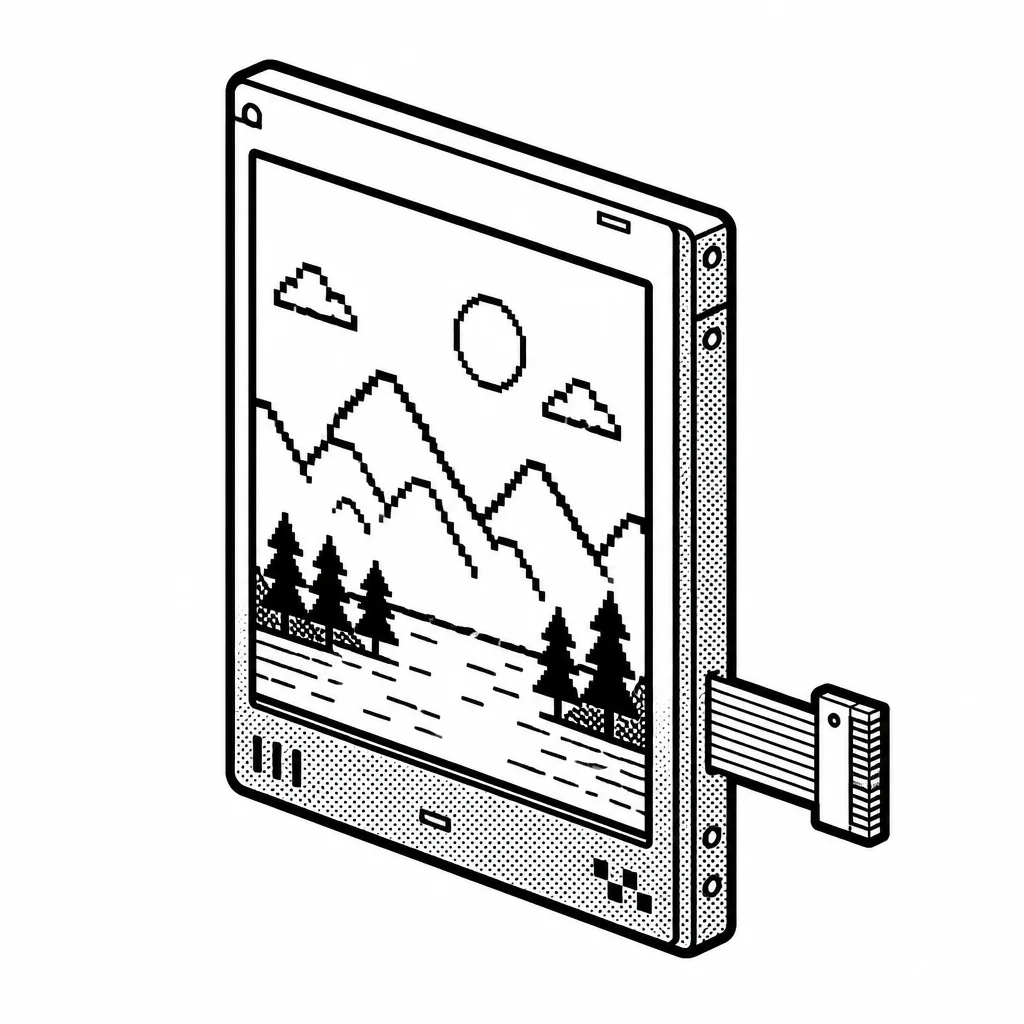
Making a display panel is a brutal business. You build enormous factories called fabs that cost billions of dollars, run them nonstop, and sell a product that is basically a commodity — one company's panel works about as well as another's. Prices swing wildly with supply and demand, and BOE competes against giant rivals like Samsung and LG Display. BOE's edge is scale: it makes so many panels that it can spread its fixed costs further than almost anyone, and it has poured money into new factories for years to stay at the front of the pack. That commodity problem is exactly why BOE keeps pushing into new areas. Beyond plain screens, it sells smart terminals and display systems for businesses — things like electronic shelf labels, digital whiteboards, and displays for hospitals and stores. It also makes sensors and is building a business in MLED, a newer display technology. These bets are an attempt to earn steadier, fatter profits than the boom-and-bust panel trade allows.
The company is headquartered in Beijing and has a long history of betting big on the next generation of screens, often with government support behind it. The honest picture: BOE is a manufacturing powerhouse with real scale and technology, but it lives in a cyclical industry where overbuilding can crush prices. When panel prices rise, the money rolls in; when they fall, profits can vanish fast. That swing is the single most important thing to understand about the business.
Saved answer · last researched 12 Nov 2026