Understand any stock in simple English
Enter a ticker to learn what the company does and how it makes money.
China Steel Corporation
China Steel makes and sells steel products for industrial customers, from smelting raw iron ore to rolling and processing finished steel.
China Steel is Taiwan's biggest steelmaker, and its job is to turn rocks into the bones of a modern economy. It takes iron ore and coal, melts them down in giant furnaces, and rolls the result into the steel that goes into buildings, bridges, cars, ships, appliances, and machines. Its customers are other businesses, not shoppers — construction firms, manufacturers, and factories that need steel as a raw material.
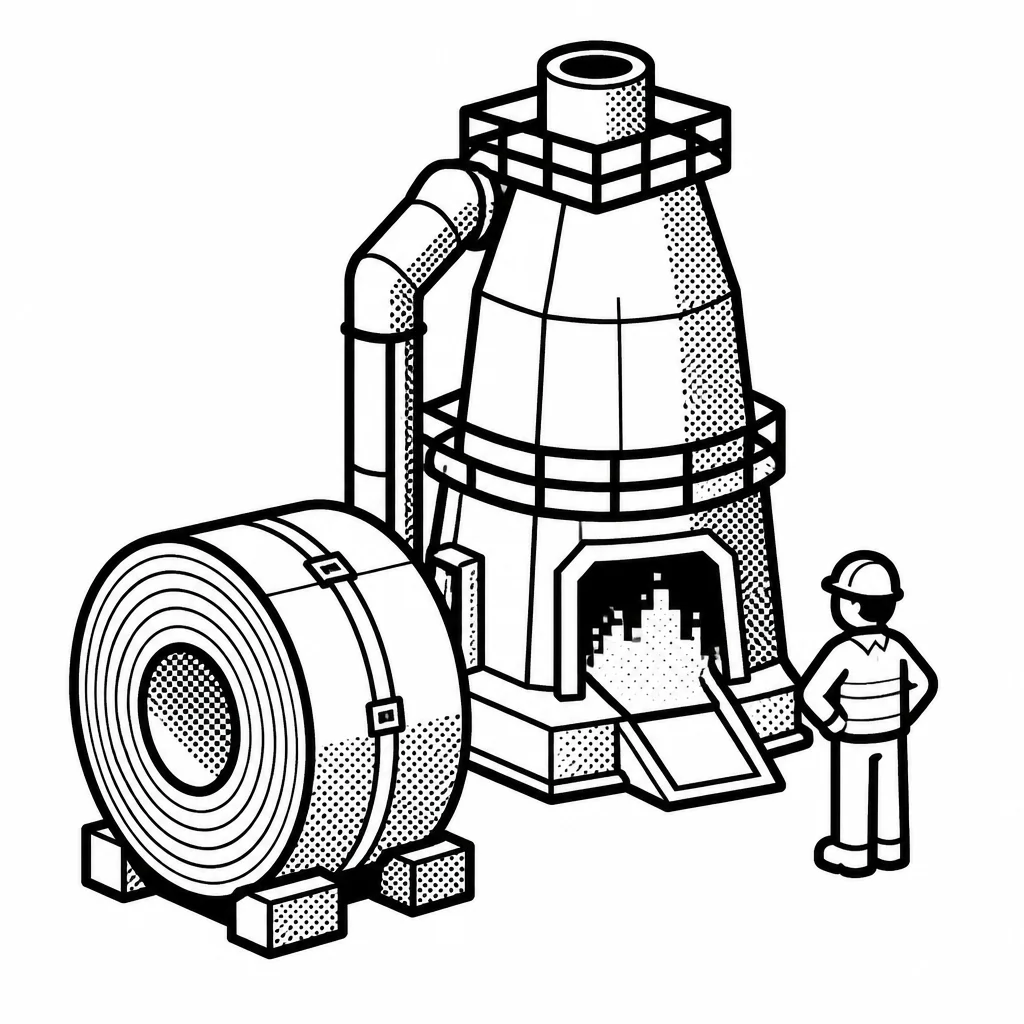
The business runs on a simple but unforgiving math. Steel is a commodity, so one company's steel is mostly the same as another's, which means China Steel competes largely on price, reliability, and location. Its blast furnaces run around the clock and are expensive to stop and restart, so it wants to sell everything it makes and keep utilization high. When steel prices rise and demand is strong, the company can make good money; when prices fall or cheap imports flood the market, margins get squeezed hard. That cycle is the single biggest thing to understand about the stock. China Steel is more than a pure steel mill, though. It has expanded into downstream and related businesses — things like steel processing, engineering and construction, and even some non-steel ventures — and it holds stakes in affiliated companies across Taiwan's industrial landscape. It also has a reputation as a steady dividend payer, which makes it a favorite of income-focused investors in Taiwan. The Taiwanese government is a major shareholder, giving the company a quasi-official status and a role in national industrial policy.
The company's main vulnerability is that it sits in a cyclical, capital-hungry industry with heavy competition from big low-cost producers in China and elsewhere. It has to spend constantly on maintaining and upgrading its plants, and it is exposed to swings in raw material costs and global steel prices. It has also faced pressure to clean up its act on carbon emissions, since steelmaking is one of the dirtiest industrial processes around — a real long-term cost and risk as the world pushes toward greener production.
Saved answer · last researched 12 Nov 2026