Understand any stock in simple English
Enter a ticker to learn what the company does and how it makes money.
SCHOTT Pharma AG & Co. KGaA
SCHOTT Pharma makes the glass vials, syringes, and cartridges that hold injectable drugs, plus the systems that deliver them safely to patients.
SCHOTT Pharma makes the containers that hold injectable medicines. When a drugmaker develops a new shot or infusion, it needs something safe to store that liquid in — a glass vial, a pre-filled syringe, or a cartridge — and SCHOTT Pharma is one of the world's biggest suppliers of exactly those things. Its customers are pharmaceutical companies, biotech firms, and life-science labs, and they buy from SCHOTT because the container is not a commodity: a tiny flaw in the glass can ruin a drug or harm a patient, so quality and reliability matter enormously.
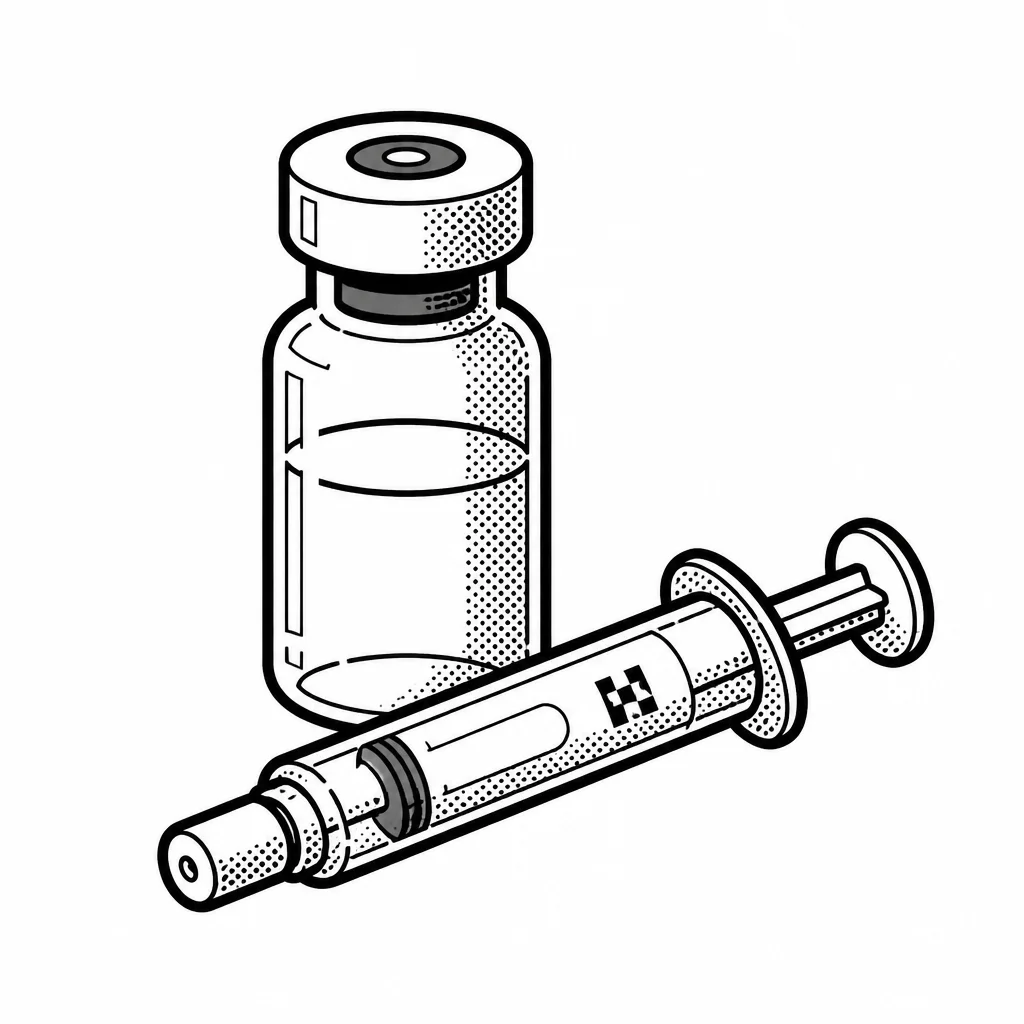
The business splits into two main parts. Drug containment solutions are the physical vessels — vials, syringes, cartridges, and ampoules — made mostly from specialized glass. Drug delivery systems are the devices that help patients actually take the medicine, such as pre-fillable syringes and safety systems that protect people from needle sticks. The fast-growing piece is pre-fillable syringes and ready-to-use containers that arrive already washed and sterilized, so a drugmaker can fill them without building its own cleaning line. The deeper story is that injectable drugs are booming — think GLP-1 weight-loss shots, biologics, and vaccines — and all of them need containment. SCHOTT Pharma benefits from that wave without betting on any single drug, since it sells the packaging to whoever wins. The company is majority-owned by the German glass giant SCHOTT, which gives it deep glass-science roots, and it invests heavily in new plants and high-value product lines to capture the shift toward pre-filled and self-injection formats.
The risks are real. It competes with other containment makers, faces pricing pressure from big pharma buyers, and its fortunes rise and fall with drug pipelines and biotech funding. It is also spending heavily on capacity, which weighs on near-term cash flow until those factories fill up. Still, the core bet is simple: as more medicine comes in a shot, more of it needs a safe, precise home, and SCHOTT Pharma sells that home.
Saved answer · last researched 12 Nov 2026