Understand any stock in simple English
Enter a ticker to learn what the company does and how it makes money.
ALTEOGEN Inc.
Alteogen develops and sells biopharmaceuticals and biosimilar technologies to pharmaceutical partners.
Alteogen is a South Korean biotech company that makes medicines and, more importantly, the technology that helps other companies make their medicines work better. Its main claim to fame is a molecule called ALT-B4, an enzyme that lets drugmakers turn an injectable drug into a version that can be given under the skin instead of through a slow intravenous drip. That sounds like a small change, but it is a big deal for patients who currently spend hours in a clinic hooked up to a bag of liquid.
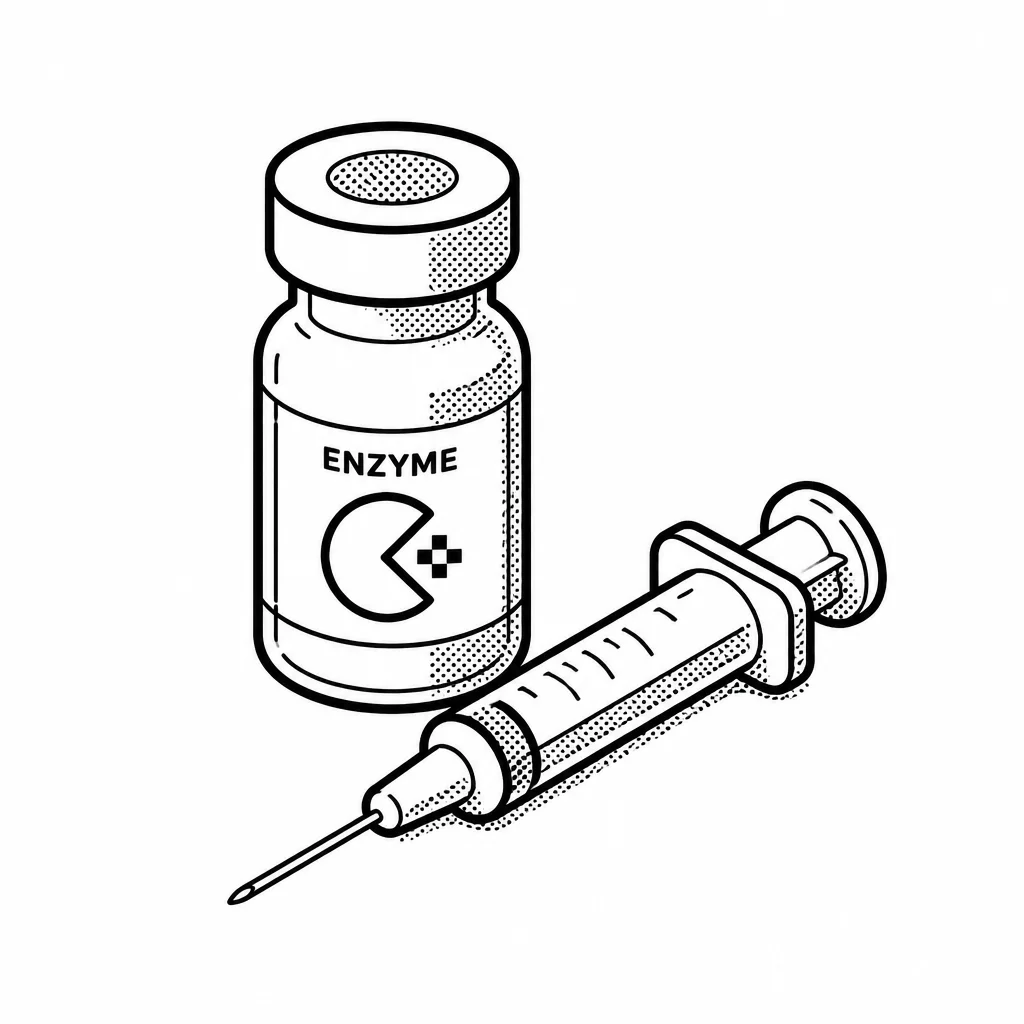
The business model is mostly about licensing and partnerships. Rather than selling a finished drug to patients itself, Alteogen earns money by supplying its enzyme technology to other pharmaceutical companies and collecting royalties or milestone payments when their products reach the market. It also develops and sells its own biosimilars — essentially cheaper, highly similar versions of biologic drugs whose patents have expired — and has a smaller business in biopharmaceutical raw materials. The breakthrough that made the company famous came from a licensing deal with Merck, the big American drugmaker, which is using Alteogen's enzyme to create a subcutaneous version of its blockbuster cancer immunotherapy Keytruda. That single deal turned Alteogen from a speculative small-cap into one of the most talked-about stocks on KOSDAQ, because Keytruda is one of the world's best-selling drugs and a royalty stream on even a slice of it could be enormous. The company is also working with other partners on similar subcutaneous conversions of major drugs.
The risk is that this is a very concentrated, very hopeful business. Its fortunes hinge on a handful of partnerships and on regulators approving the new versions of these drugs, and biotech timelines slip all the time. If the Keytruda subcutaneous version wins approval and sells well, Alteogen collects for years with very little extra cost. If it stumbles, the stock has a long way to fall. That is the trade-off investors are making.
Saved answer · last researched 12 Nov 2026