Understand any stock in simple English
Yondenko Corporation
Yondenko builds and maintains the electrical and power transmission equipment that keeps electricity flowing across Japan, and it also runs solar power plants and leases equipment.
Yondenko is a Japanese company that does the unglamorous, essential work of keeping the lights on. It builds and maintains the electrical facilities and the transmission and distribution networks that move power from where it is generated to the homes, offices, and factories that use it. Most people never see this equipment, but without companies like Yondenko, electricity would not travel from a power plant to a wall socket.
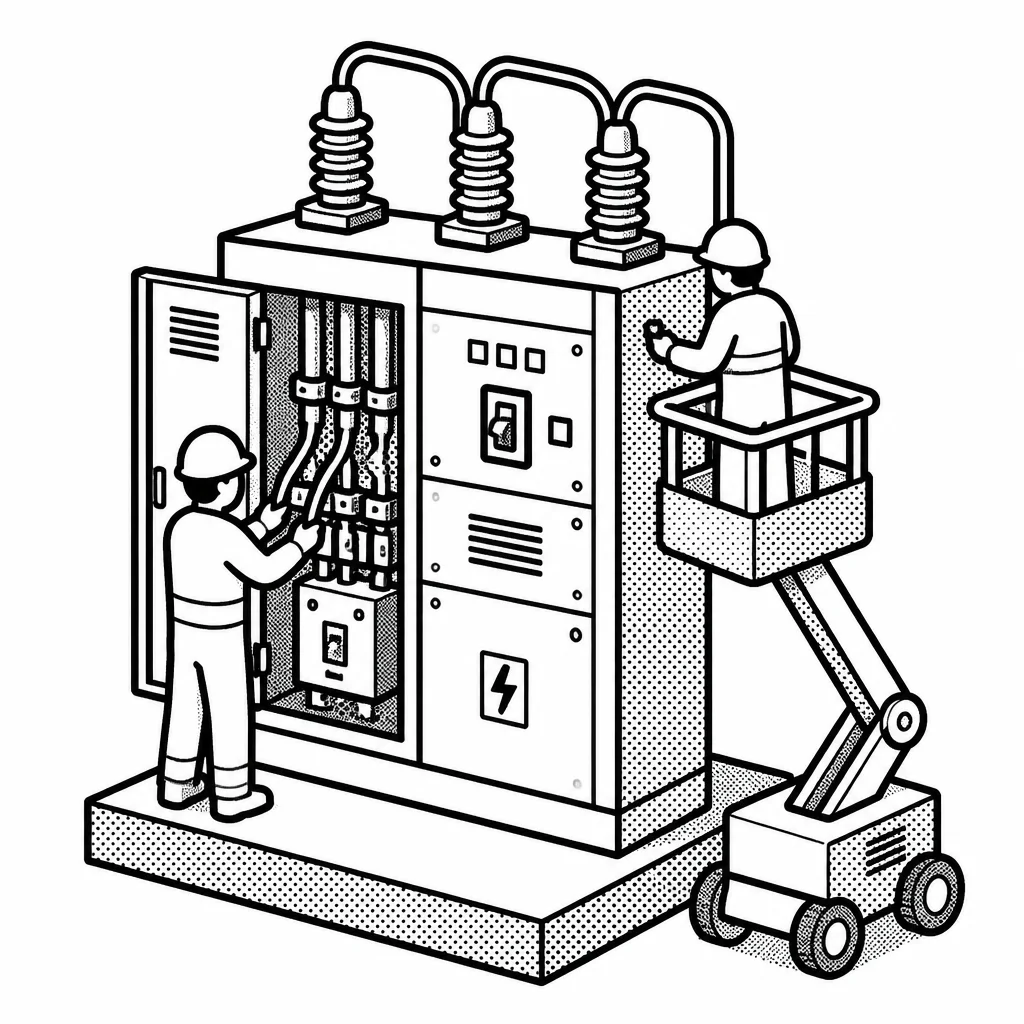
The company's home turf is Japan, and its name gives a clue to its roots: it is part of the broader "Yonden" family tied to Shikoku Electric Power, the utility that serves Japan's Shikoku region. Yondenko earns money by taking on construction and maintenance contracts for utilities and other customers who need power infrastructure built or kept in working order. It also leases equipment and runs solar power generation, so it earns money in a few related ways rather than depending on a single service. The business is tied closely to how much Japan spends on its power grid. That spending is steady but not exciting, because transmission and distribution work is safety-critical and must be done whether the economy is booming or slow. One big question hanging over the whole industry is how much Japan will invest in modernizing and greening its grid, since the country is pushing to add more renewable energy and needs the network to carry it. That push, plus the company's own solar operations, gives Yondenko a small stake in the energy transition.
Yondenko is a small, steady infrastructure contractor rather than a fast-growing technology company. It competes with other electrical construction firms for utility contracts, and its fortunes rise and fall with the pace of grid investment and the health of the regional utilities it serves. For investors, that means a business that is dependable and deeply tied to Japan's power system, with limited exposure to flashy growth but real exposure to the long, slow work of rebuilding a country's electrical backbone.
Saved answer · last researched 17 Nov 2026