Understand any stock in simple English
Enter a ticker to learn what the company does and how it makes money.
China Tourism Group Duty Free Corporation Limited
It runs duty-free shops in airports, on cruise ships, and downtown, selling tax-free perfume, cosmetics, tobacco, and liquor to travelers.
China Tourism Group Duty Free is the giant of Chinese travel retail. It runs the shops you walk past after security at the airport — perfume, cosmetics, cigarettes, liquor, chocolate — where travelers buy things without paying the usual taxes. It also operates downtown duty-free stores in places like Hainan, the tropical island province that has become a shopping destination in its own right, plus shops on cruise ships and in some overseas locations.
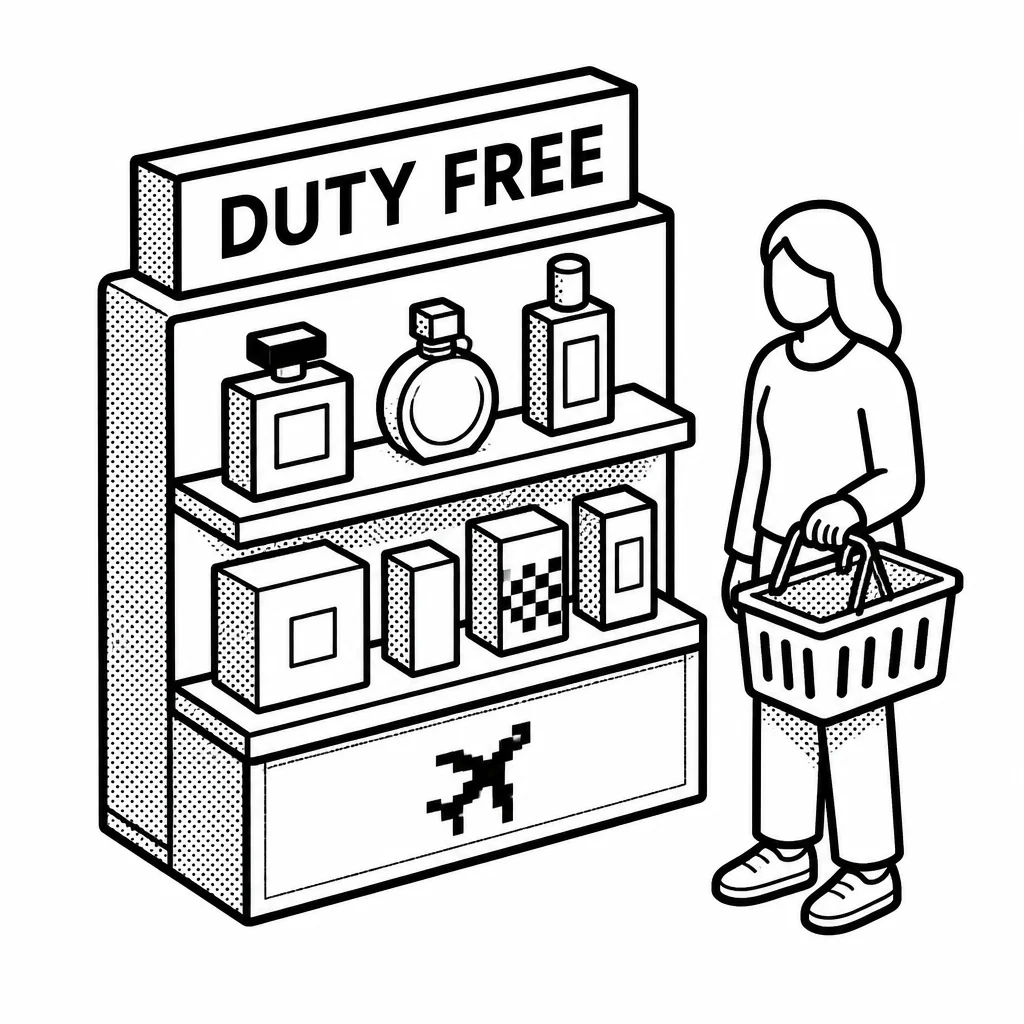
The business works because of a simple trick of geography and tax law. A duty-free shop sits outside the normal tax system, so it can sell imported goods at prices that undercut regular stores. Travelers pay less, the operator keeps a margin, and the government collects less tax but gains tourism spending. For years, the company's crown jewel was the Suning-run airport concessions — most famously Shanghai Pudong — where it won the right to sell to millions of departing and arriving passengers. Then Hainan changed the game. Beijing turned the island into a duty-free hub, and the company's Hainan stores became its biggest profit engine, selling to Chinese tourists who would otherwise shop abroad in Paris or Seoul. Its dominance is real but not unshakeable. It competes with Dufry-style global travel retailers abroad, with LVMH-owned brands that can choose where to sell, and at home with Alibaba-linked platforms and daigou resellers who ship goods from overseas. The bigger risk is policy: duty-free profits depend on quota rules, tax breaks, and airport concession fees that the government and landlords can change. When Hainan's offshore quota was expanded, sales soared; when a concession contract gets renegotiated, margins can vanish overnight.
Still, the company has something few retailers have: a captive audience with time to kill and a legal reason to buy. It also holds a near-monopoly on the Chinese duty-free channel, which gives it bargaining power with global beauty and liquor brands. In recent years it has invested heavily in Hainan's massive international duty-free malls, betting that Chinese shoppers will keep spending at home rather than flying to Europe to buy the same handbags and serum.
Saved answer · last researched 12 Nov 2026