Understand any stock in simple English
Enter a ticker to learn what the company does and how it makes money.
Stella International Holdings Limited
Stella International makes shoes for other brands and sells its own footwear, mostly out of factories in China and Southeast Asia.
Stella International is a footwear manufacturer. It makes shoes for other companies — the brands you see in malls and sporting goods stores — and it also sells shoes under its own labels, most notably Stella Luna. If you have ever bought a pair of premium leather shoes or casual shoes from a big Western brand, there is a decent chance Stella's factories made them.
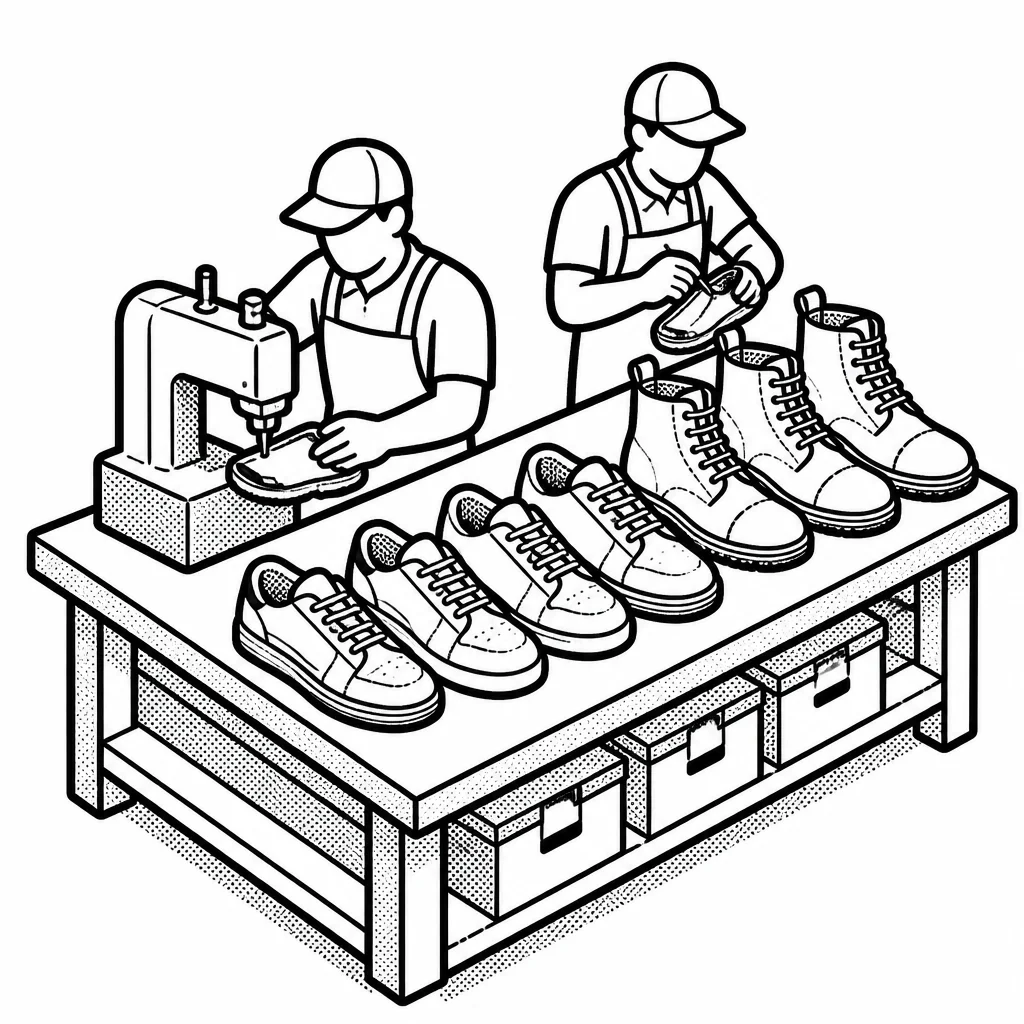
The business is really two things. The big one is contract manufacturing: Stella designs and builds shoes to order for brand customers, who pay per pair. This is a scale game — you need lots of factories, skilled workers, and tight quality control to win and keep big orders. The smaller piece is its own brands, where Stella controls the design and sells directly to consumers, keeping more of the margin but carrying the risk that shoppers won't buy. Manufacturing pays the bills; the brands are the bet on higher margins. Its edge comes from geography and experience. Stella has been making shoes for decades and runs factories in China and Southeast Asia, which lets it shift production as costs and tariffs change. That flexibility matters because footwear manufacturing is a low-margin, labor-heavy business where a few cents per pair decide who wins. Customers stay because switching factories is slow and risky — a bad batch of shoes is a public embarrassment for a brand.
The risks are real. Stella depends on a handful of big brand customers, so losing one hurts. It is also exposed to wage inflation, trade tensions, and the health of global consumer spending. When shoppers tighten their belts, orders shrink fast. The company pays dividends and has historically kept a strong balance sheet, but this is a cyclical, competitive business with little pricing power over the brands that pay it.
Saved answer · last researched 14 Nov 2026