Understand any stock in simple English
CMON Limited
CMON designs and sells tabletop games — mostly board games and miniature war games — to hobby shops, distributors, and fans who back its projects online.
CMON makes tabletop games — the kind you spread out on a table with friends, roll dice, move little figures around, and argue about the rules. Its bread and butter is board games and miniature war games: games that come with detailed plastic figures, cards, and boards, often tied to zombies, fantasy battles, or pop-culture themes. It sells these to hobby shops and distributors, and directly to players, mostly through crowdfunding campaigns where fans pay up front before a game is even manufactured.
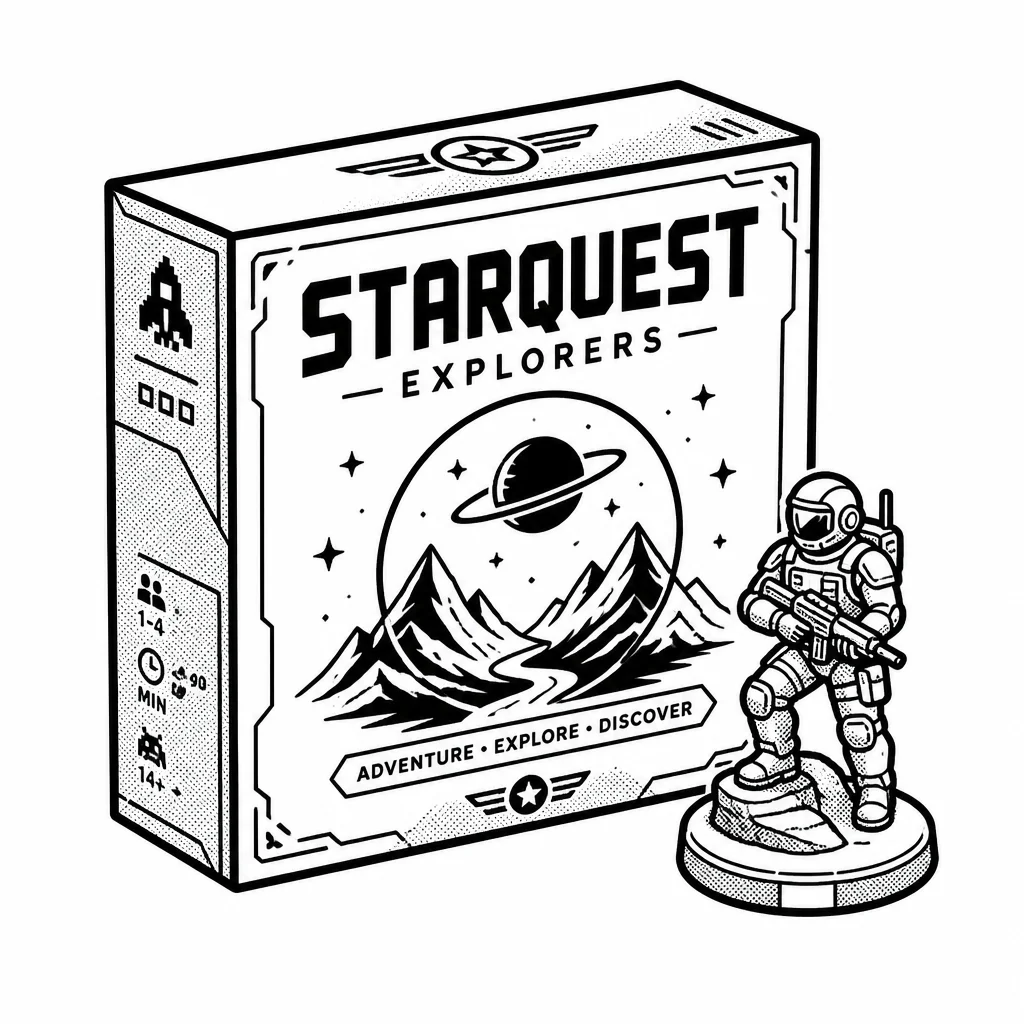
That crowdfunding model is the heart of the business. Instead of guessing how many copies to print and hoping stores buy them, CMON puts a game idea on a platform like Kickstarter, and fans pledge money for a copy plus extra stretch-goal goodies. The campaign cash largely pays for the production run, so the company takes far less inventory risk than a traditional toy maker. A hit campaign can raise millions from tens of thousands of backers, and the fans effectively act as both customer and financier. When it works, it's a clever machine; when a campaign disappoints or a game ships late, the same model becomes a cash-flow headache. CMON is small and niche, which cuts both ways. It owns or licenses popular game lines that give it a loyal following, and miniature-heavy games are hard for casual competitors to copy at the same quality. But it competes for hobbyists' attention and dollars against much bigger players, including Hasbro and its Wizards of the Coast unit, Asmodee-style specialist distributors, and a flood of independent creators on the same crowdfunding platforms. Tabletop gaming boomed during the pandemic, then cooled as people went back out and shipping and production costs rose. The company has also had to manage the timing gap between collecting backer money and paying factories in China to actually make the games.
The stock is a small-cap on the Hong Kong exchange, and the business is best understood as a hit-driven publisher: a few strong game lines and campaigns carry the year, while weaker ones drag. Its fortunes swing on release schedules, crowdfunding success, and manufacturing costs more than on steady subscription-like revenue. For a curious investor, the key questions are simple: are the new games good enough to keep backers coming back, and can the company turn fan enthusiasm into reliable profit rather than feast-or-famine campaign cycles.
Saved answer · last researched 17 Nov 2026