Understand any stock in simple English
Enter a ticker to learn what the company does and how it makes money.
Tencent Music Entertainment Group
Tencent Music runs China's biggest music and audio apps, making money from music subscriptions, virtual gifts, and advertising.
Tencent Music runs the apps where hundreds of millions of Chinese people listen to music and audio. Its biggest app, QQ Music, is a music streaming service. Another one, WeSing, lets people sing karaoke over backing tracks, record themselves, and share the results with friends. A third major app, Kuwo, is also a music streaming service. That mix of listening and singing is the heart of what the company does.
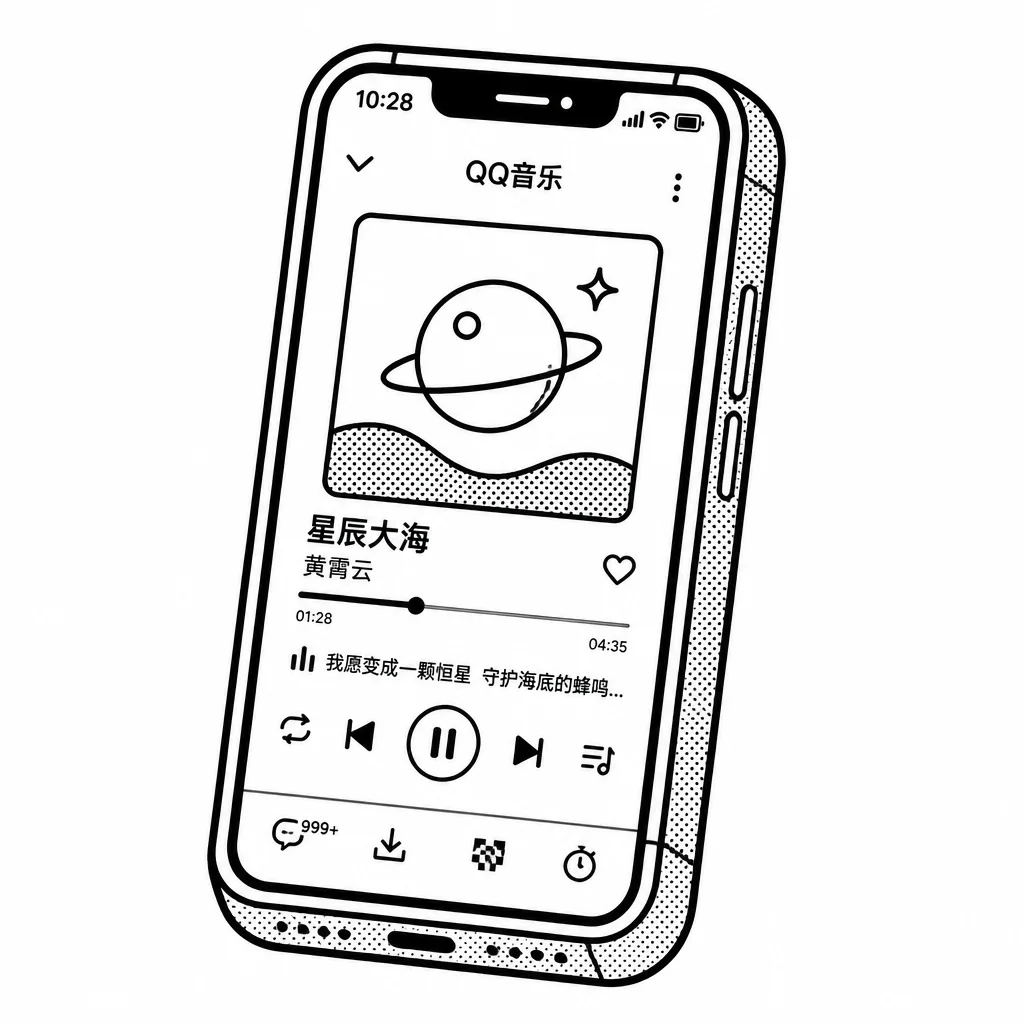
The money comes from several places. A large piece is subscriptions: people pay a monthly fee for ad-free, higher-quality music with more features. Another big piece is virtual gifts — inside WeSing and other apps, users buy digital presents to send to singers or hosts they like, and Tencent Music keeps a cut. It also earns from advertising and from live-streaming where fans tip performers. Music itself is not the only product; the social layer of singing, gifting, and watching is where a lot of the actual money is made. The company is headquartered in Shenzhen, China, and is part of the wider Tencent ecosystem — Tencent is its controlling shareholder. Its parent's messaging app helps funnel users toward its music apps and provides a distribution channel. Tencent Music is the largest music-streaming business in China, competing against players such as NetEase Cloud Music. One important vulnerability: it relies on licenses from big music labels, and the cost of those licenses can squeeze profits.
The big strategic push has been the shift toward paid subscriptions. China historically had weak paid-music habits, but Tencent Music has steadily grown the number of paying users as it pushes exclusive content and better features inside its app. The karaoke and live-social side remains a cash cow, but it is also less predictable than subscriptions because it depends on users spending on virtual gifts — a spending habit that can cool when the economy slows.
Saved answer · last researched 12 Nov 2026