Understand any stock in simple English
Enter a ticker to learn what the company does and how it makes money.
Agricultural Bank of China Limited
It is one of China's largest banks, taking deposits and lending money to farmers, businesses, and the government.
Agricultural Bank of China is one of the giant state-owned banks that keep China's money moving. It takes deposits from savers and lends that money out to people and organizations that need it — big companies, the government, and hundreds of millions of ordinary households. It also handles everyday financial chores like payments, cards, and wealth products. If you live in China and need a bank account, a loan, or a place to send money, this is one of the big names you'd consider.
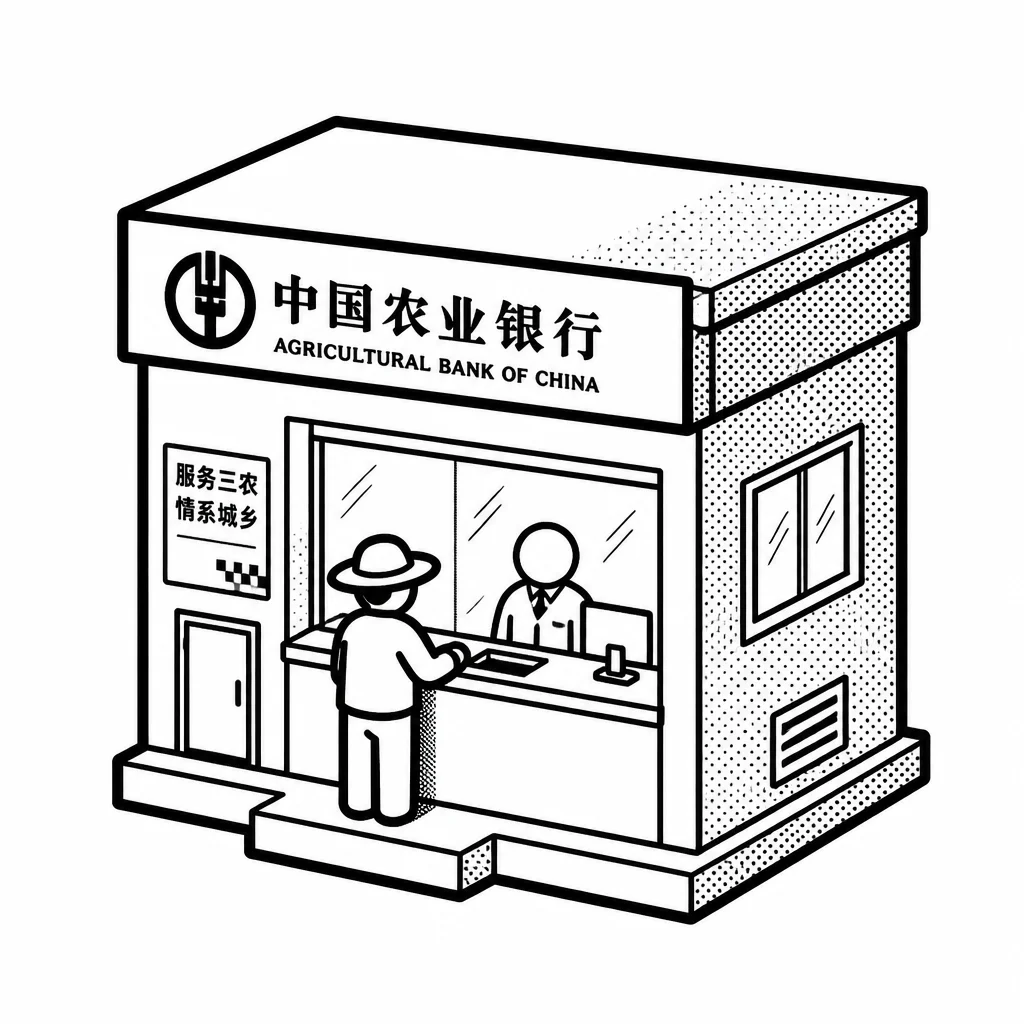
What makes it different from its big-city rivals is its roots in the countryside. It started as a bank for farmers and rural areas, and it still runs a huge network of branches in small towns and villages where competitors often don't bother to go. That reach gives it something hard to copy: access to vast numbers of small savers and rural borrowers. Its main competitors are the other large Chinese banks, including Industrial and Commercial Bank of China and China Construction Bank. The bank makes money the old-fashioned way — the gap between what it pays depositors and what it charges borrowers. It also earns fees from services like payments and wealth management, and it holds big piles of government and corporate bonds. Because it is state-owned, it plays a role in national policy too, such as lending to support farming and small businesses, which is good for stability but can mean thinner profits on some loans.
The big risk is the same one every Chinese bank faces: what happens if borrowers can't repay. China's property slump and a slow economy have made bad loans a real worry across the industry. The bank also pays a solid dividend to shareholders, and its shares are watched closely because they offer a way to own a slice of China's banking system. It is a steady, sprawling giant rather than a fast-growing one — its job is to move money safely through the world's second-largest economy.
Saved answer · last researched 12 Nov 2026