Understand any stock in simple English
Enter a ticker to learn what the company does and how it makes money.
China Shenhua Energy Company Limited
China Shenhua is a giant Chinese energy company that digs up coal, burns much of it to make electricity, and also hauls it around on its own railways and ships.
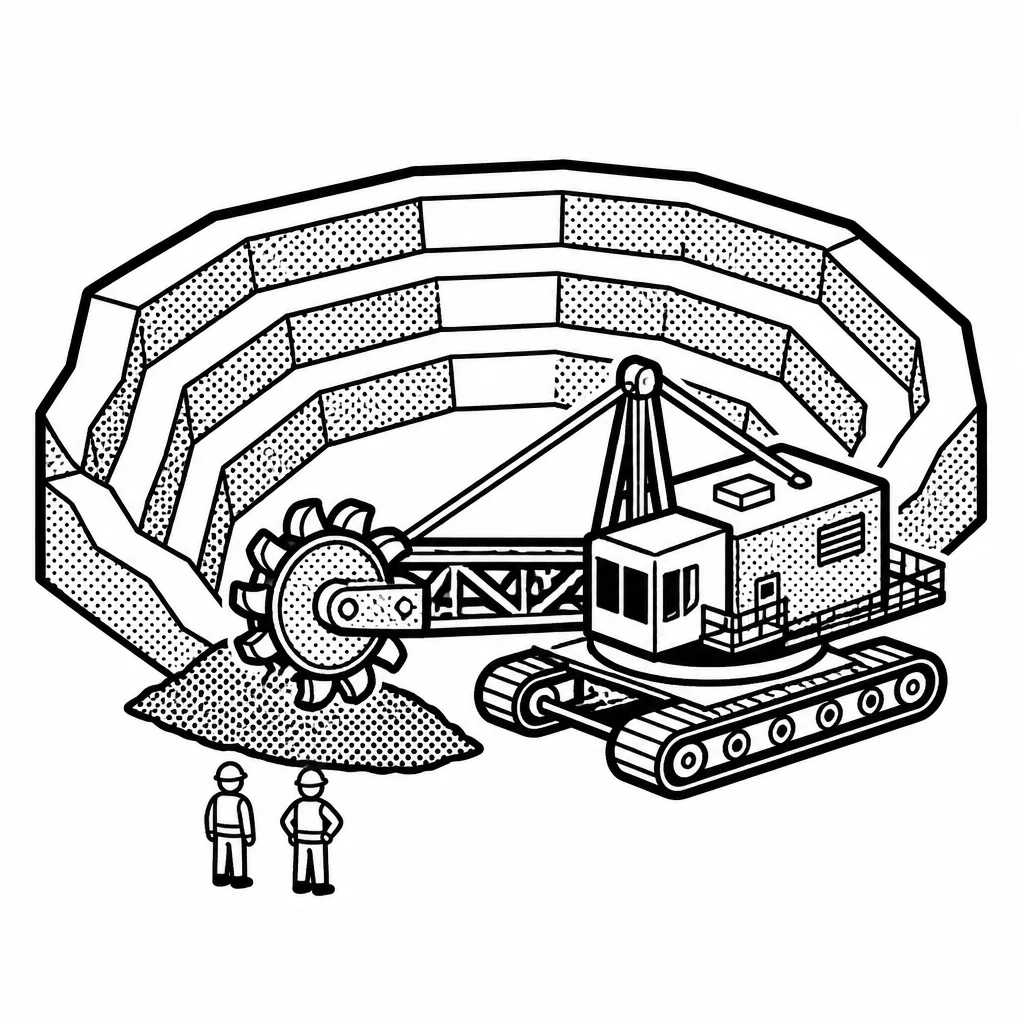
China Shenhua is one of China's largest coal companies, and it is really an energy machine with several linked parts. Its biggest business is mining coal, which it sells to power plants, steel mills, and factories. But it does something unusual for a miner: it owns much of the infrastructure that moves that coal, including a dedicated railway network and ports, plus a shipping fleet. So instead of just pulling rock out of the ground and handing it to someone else, Shenhua controls the whole journey from mine to furnace.
The other big piece is power generation. Shenhua runs coal-fired power plants and some renewable energy projects, and it sells electricity into China's grid. That makes it a bit like a farmer who grows wheat, owns the trucks that deliver it, and also runs the bakery. When coal prices rise, the mining side earns more, but the power plants feel the squeeze from expensive fuel. When coal is cheap, the power business does well. Owning both sides smooths out the bumps that would otherwise hit a pure miner or a pure utility. There is also a smaller chemicals arm that turns coal into olefins, the building blocks for plastics and other industrial products. The company's customers are overwhelmingly industrial: state-owned power groups, steelmakers, and factories across China. Its main advantage is scale and integration—few rivals can match its mine-to-rail-to-port-to-power chain. Its main vulnerability is the same as the whole coal industry: China is pushing hard toward cleaner energy, and coal demand is expected to shrink over time, even if it remains huge for now.
Shenhua is majority-owned by the Chinese state through a large parent group, and it trades in both Hong Kong and Shanghai. It has historically been a reliable dividend payer, sending a large share of its profits back to shareholders, which appeals to income-focused investors. For a company in a sunsetting industry, it has stayed remarkably profitable and cash-generative, and its logistics network gives it a cost edge that pure-play miners struggle to copy.
Saved answer · last researched 12 Nov 2026