Understand any stock in simple English
Enter a ticker to learn what the company does and how it makes money.
KB Financial Group Inc.
KB Financial Group is a South Korean financial holding company that owns a bank, a credit card company, a securities firm, and insurance businesses.
KB Financial Group is the parent company of one of South Korea's biggest banking networks. If you live in Korea, chances are you have walked past a KB bank branch, tapped a KB credit card, or seen the logo on a securities app. The group sits at the top of a family of businesses that cover everyday banking, credit cards, stock brokerage, and insurance.
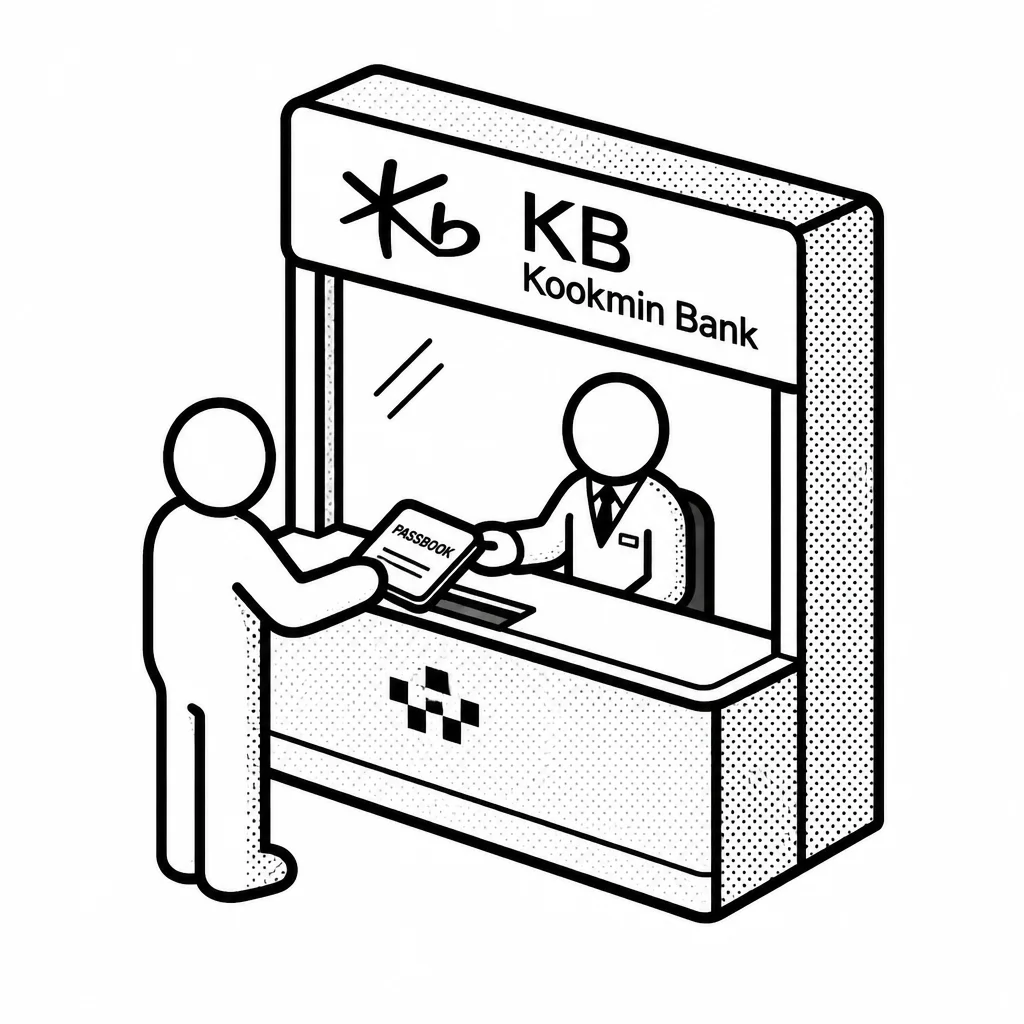
The idea behind a financial holding company is simple: instead of running one giant bank that does everything, KB owns separate companies under one roof. KB Kookmin Bank takes deposits and makes loans. KB Kookmin Card handles credit and debit cards. KB Securities runs brokerage and investment services. KB Insurance and KB Life Insurance sell protection products. Each business has its own focus, but they share a brand and a balance sheet. KB makes money the way most banks do: it pays depositors a little interest, lends money out at a higher rate, and keeps the difference. Add fees from cards, brokerage commissions from securities, and insurance premiums, and you get a diversified financial machine. That mix matters because when lending margins get squeezed by low interest rates, card fees and investment income can help pick up the slack.
KB is one of Korea's largest financial groups by assets, alongside rivals like Shinhan Financial Group and Hana Financial Group. Its scale gives it a huge customer base and cheap funding, but it also ties its fortunes closely to the Korean economy, household debt levels, and regulators who keep a close eye on banks. KB has been pushing overseas expansion and wealth management to find growth beyond its home market, and like many Korean financial firms it returns capital to shareholders through dividends and share buybacks.
Saved answer · last researched 12 Nov 2026