Understand any stock in simple English
Enter a ticker to learn what the company does and how it makes money.
CK Infrastructure Holdings Limited
CK Infrastructure owns and runs essential infrastructure like power grids, water pipes, roads and gas networks in several countries, and collects steady fees from the people and businesses that use them.
CK Infrastructure is a holding company that owns pieces of the infrastructure that keeps modern life running: electricity networks, water and waste services, gas, roads and other basic systems. It doesn't build gadgets or sell to shoppers. It buys into, develops and operates these assets, then collects steady, recurring fees from the homes, businesses and governments that depend on them. Think of it less as a builder and more as a patient owner of tollbooths, pipes and power lines.
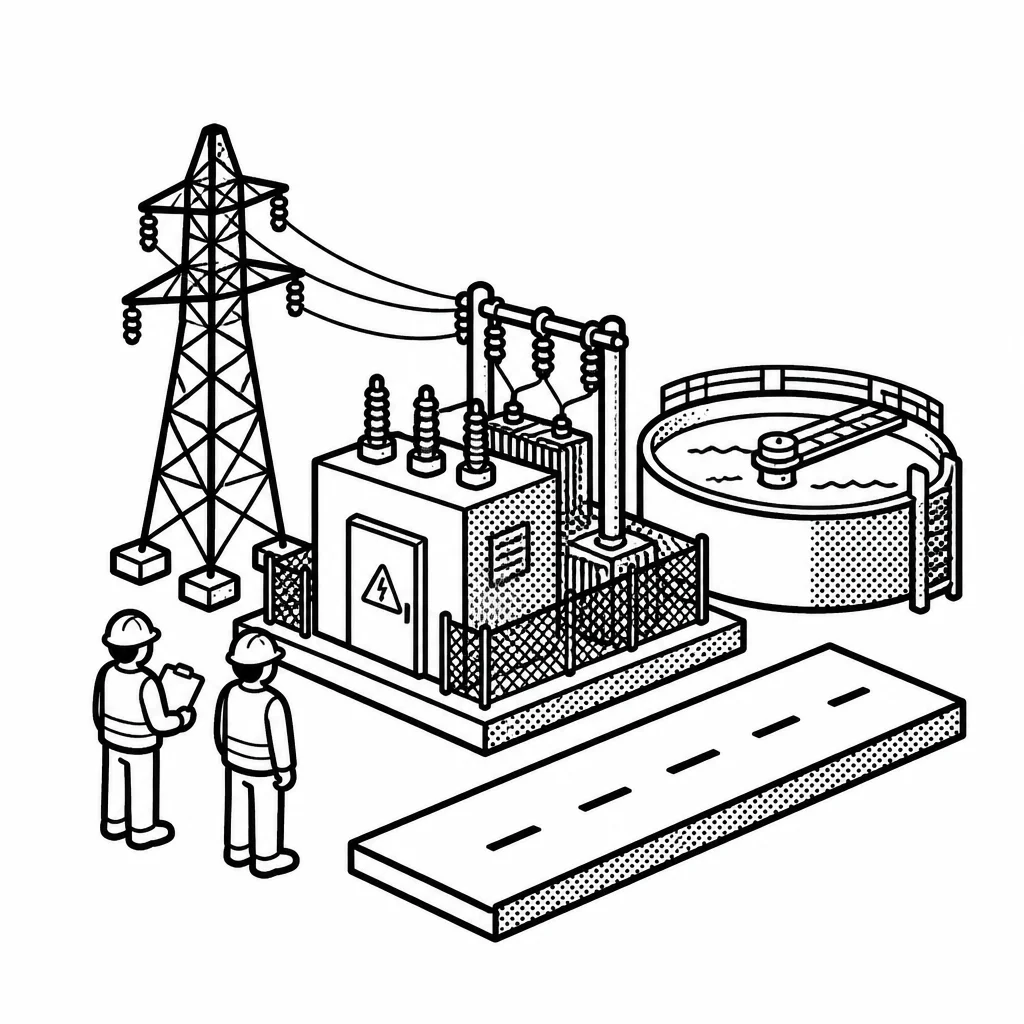
The company is the infrastructure arm of the CK group founded by Hong Kong billionaire Li Ka-shing, and it is headquartered in Hong Kong. Its biggest and most important asset is a stake in Wales & West Utilities, a gas distribution network in the UK, alongside a portfolio of UK power and water businesses. It also holds investments in Canada, Australia, New Zealand and Europe, giving it a spread of stable, regulated markets. The appeal is predictability: regulated utilities earn a set return, so cash flows are unusually reliable and tend to rise gently with inflation. That reliability is the whole point. CK Infrastructure uses the cash its assets throw off to pay dividends and to buy more infrastructure when prices make sense. It has a long record of raising its dividend, which is why income-focused investors like it. But the business has real limits. Growth depends on finding good assets to buy, and big infrastructure deals are expensive and heavily contested. Regulators also have a say in how much these networks can charge, so a tough ruling can squeeze returns.
The company has been through a notable turn. In 2015 it tried to merge with its sister company Power Assets in a deal that would have simplified the group, but shareholders rejected it. More recently it has leaned on overseas acquisitions, including a bigger push into UK gas and water assets, to keep growing. The core idea stays the same: own boring, essential systems, collect reliable fees, and pay out the cash. It is a slow, steady compounder rather than a fast-growth story, and that is exactly what its investors are buying.
Saved answer · last researched 12 Nov 2026