Understand any stock in simple English
Enter a ticker to learn what the company does and how it makes money.
Amorepacific Corporation
Amorepacific makes and sells cosmetics, skincare, and beauty products to customers around the world.
Amorepacific is South Korea's biggest beauty company. It sells skincare, makeup, perfume, and personal care products — the creams, serums, cushions, and lipsticks people put on their faces and bodies every day. You'll find its products in department stores, drugstores, online shops, and its own branded stores across Asia and increasingly in the West.
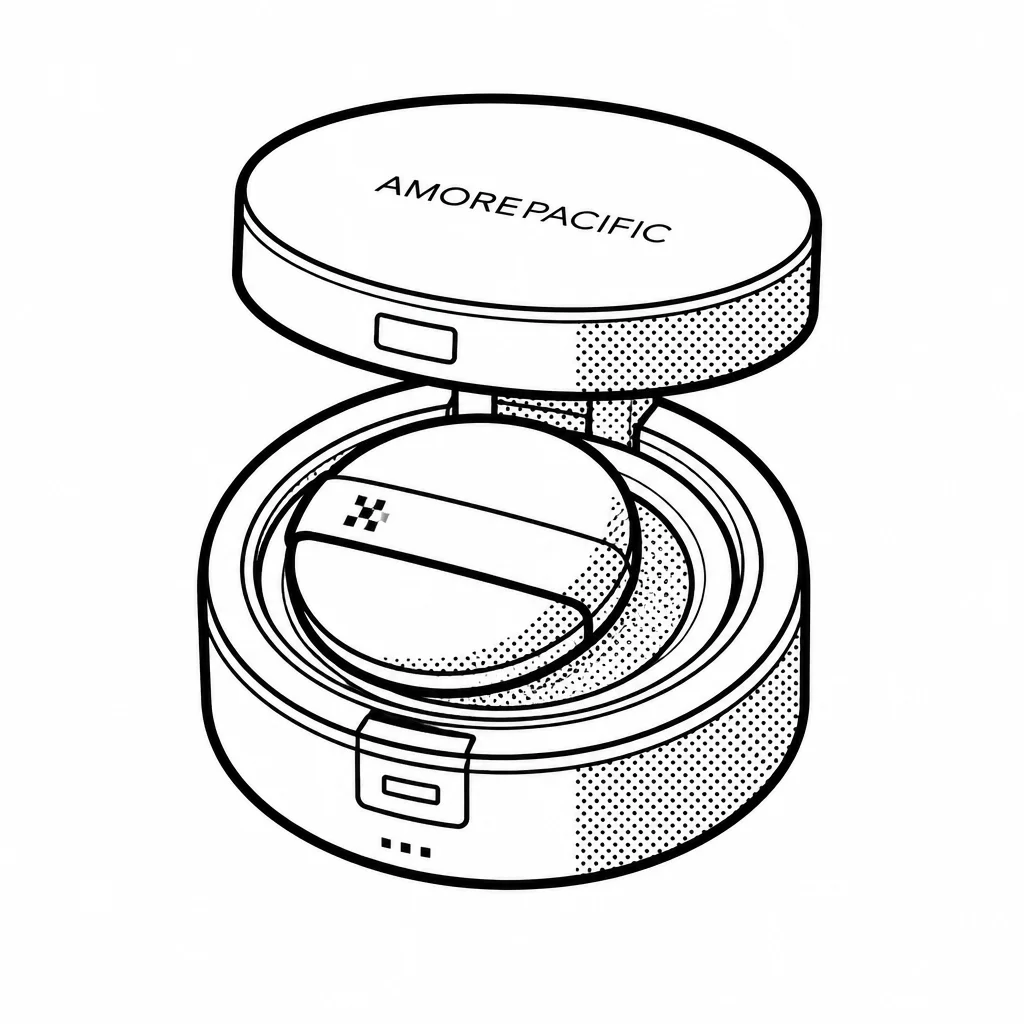
The company runs a portfolio of brands rather than one single label. Its flagship is Sulwhasoo, a premium skincare line built around traditional Korean herbal ingredients like ginseng, aimed at older, wealthier buyers. Laneige focuses on younger customers with products like its famous Water Sleeping Mask and lip balms. Then there's the cheaper, mass-market side: brands like Mamonde and Innisfree sell affordable products to younger shoppers. Amorepacific also makes hair care and body care through lines like Ryo, and it sells beauty products to other businesses too. The money comes from selling these products at retail, mostly through department stores, multi-brand beauty shops, and its own online channels. For decades, the real profit engine was China, where Korean beauty — "K-beauty" — became a huge trend. Chinese shoppers bought Sulwhasoo and Laneige in enormous volumes, often through duty-free shops and cross-border online sellers. That made Amorepacific richly profitable, but it also made the company dangerously dependent on one market. Then things got hard. In 2017, China retaliated against South Korea over a missile defense system by unofficially discouraging Chinese tourists and consumers from buying Korean goods. Sales slumped. More recently, Chinese domestic beauty brands have gotten much better and cheaper, and Chinese shoppers have turned toward them. Amorepacific's China revenue fell sharply. The company has responded by pushing into the United States and Japan, where K-beauty is growing fast, and by cutting costs and closing weaker stores. It also owns a smaller cosmetics packaging and materials business, which supplies containers and ingredients to other beauty companies.
The company is controlled by the Suh family, which founded it, and it's part of a larger group that also includes a holdings company and affiliates. Amorepacific pays dividends and has bought back shares in recent years. The core story now is a bet: can a Korean beauty giant that grew fat on Chinese demand reinvent itself in the US and Japan before its old profit engine keeps shrinking?
Saved answer · last researched 12 Nov 2026