Understand any stock in simple English
VITZROCELL Co., Ltd.
VITZROCELL makes specialized batteries and power systems, mainly for military and industrial customers.
VITZROCELL is a South Korean battery maker that mostly sells to the military. It builds rechargeable lithium-ion battery packs and thermal batteries — the kind of power sources that go into missiles, military radios, night-vision gear, and other defense equipment. Its customers are armies and defense contractors who need power that works in extreme heat, cold, and shock, and who can't afford a failure in the field. That niche is the heart of the business: when a battery dies on a soldier's radio or a missile's guidance system, the consequences are serious, so buyers pay up for proven reliability.
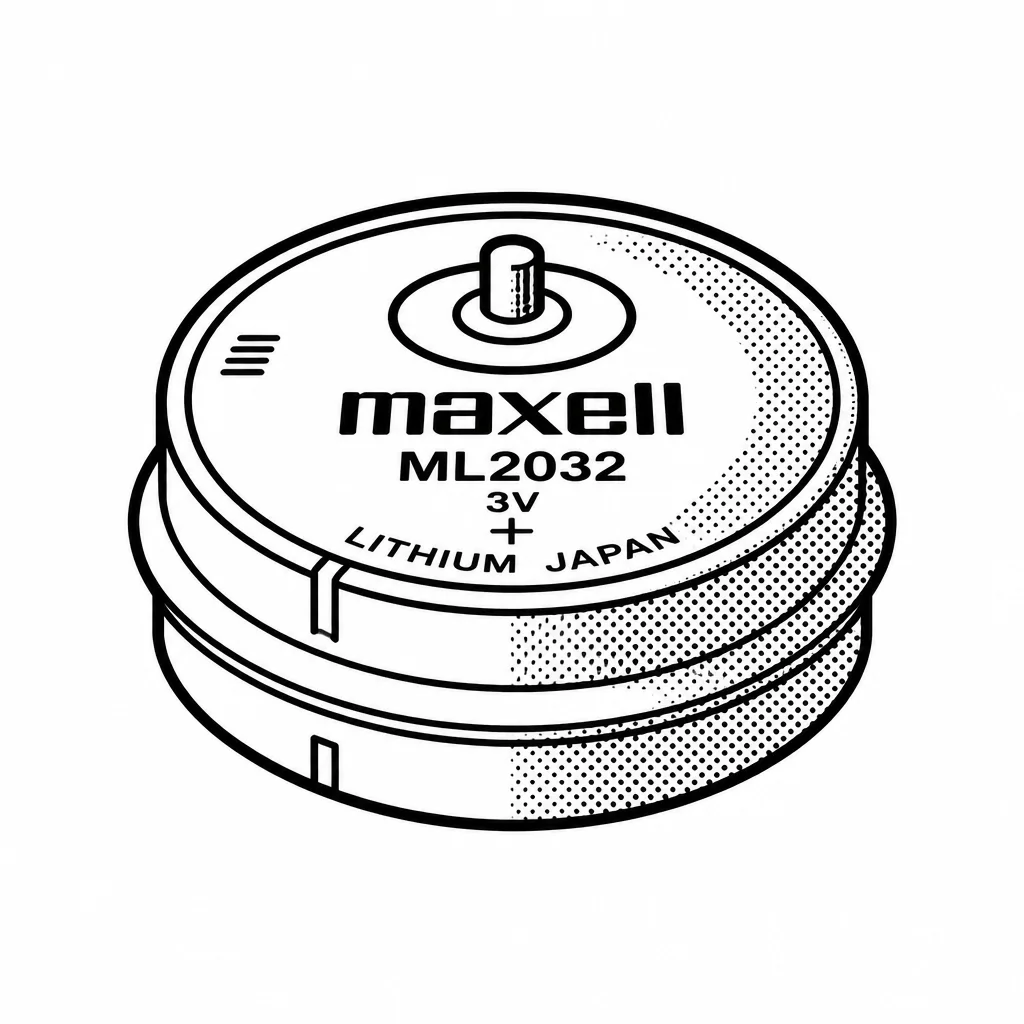
The company grew out of the lithium battery business of a Korean firm called VK Corporation and later became independent, listing on the KOSDAQ market. Its big break came from defense. South Korea's military and its major defense exporters — companies building missiles, guided weapons, and communications gear — need a trusted local supplier of power sources, and VITZROCELL became one. Thermal batteries, which are single-use and activate when heated, are especially tied to missile and munition programs, so the company's fortunes rise and fall with defense spending and export orders from programs like Korea's missile and air-defense systems. Its main vulnerability is concentration. A big share of revenue depends on a relatively small number of defense programs and on the South Korean military's procurement budget, so a delay in a weapons program or a shift in defense priorities can move the numbers quickly. It also faces competition from larger battery makers and from foreign suppliers, though defense certification is a real barrier — once a battery is designed into a weapons system, swapping it out is slow and expensive, which locks in customers. Recently the company has leaned into defense exports and next-generation battery work to broaden its base beyond domestic military demand.
On the money side, this is a small-cap company that funds itself mostly from operations, spending on capacity and product development rather than paying out big dividends. It has generally carried little debt, and its cash has gone toward expanding production for defense contracts. For investors, VITZROCELL is essentially a bet on defense budgets and weapons exports — a quiet, specialized supplier whose products are easy to overlook but hard to replace.
Saved answer · last researched 20 Nov 2026
BIG PICTURE
VITZROCELL gets about 87% of its battery sales from South Korea
- 86.8% South Korea
- 13.2% USA, Canada and elsewhere
VITZROCELL sells lithium batteries for military gear, smart grids and oil and gas equipment. In 2025, 86.8% of its revenue came from Korea, with the USA at 10.5% and Canada at 2.7%. A company with big military and industrial ambitions still leans on buyers at home, so a slowdown in Korean defense or infrastructure spending hits most of its sales. Source: Stock Analysis, data from 2025
Timeline
Teckraf Brings In Lithium Technology
Teckraf started in 1987 with a simple problem: it needed a product worth building a company around. The answer came from America, where it licensed lithium battery technology from Wilson Greatbatch. That one deal gave the young firm the technical foundation its whole future would rest on.
A Military Supplier Is Born
Soon after, the company registered as a military supplier for Korea's Defense Procurement Agency and finished its Hapdeok plant with a research institute attached. Defense work is picky and slow to win, but it pays steadily and demands high quality, and that anchor shaped the company's reputation for tough, reliable batteries.
Teckraf Becomes VITZRO CELL
In June 2002 the company changed its name from Teckraft to VITZRO CELL. A new name sounds like a small thing, but it gave the business the identity it still carries today.
VITZRO CELL Lists on KOSDAQ
In October 2009 the company went public on the KOSDAQ market, with Hyundai Securities handling the listing at 5,500 won per share. Going public meant access to outside money, the fuel a battery maker needs to grow.
First Step Overseas
In August 2012 VITZRO CELL bought a stake in the American company EXIUM, which became VITZRO CELL USA. It was the company's first real move beyond Korea.
Fire at Yesan, Then Rebuilding
In April 2017 a fire broke out at the Yesan plant, a serious blow for a manufacturer. The company responded by building a second plant at Cheongbuk and a third at Myeoncheon, so the fire that hurt it ended up leaving it with more capacity than before.
From Venture to Blue Chip
In May 2019 the Korea Exchange moved the company up from the Venture Company Division to the Blue Chip Company Division, a sign it had grown up as a listed business. That same year it won a $70 million export tower award, proof its batteries were selling well abroad.
Buying FlexPower and Makesens
The company went shopping: it bought a stake in FlexPower in late 2020 and absorbed it in August 2021, and it took a stake in Makesens in June 2021. These deals stretched its reach across batteries and materials, not just one product line.
The $100 Million Export Tower
In late 2023 the company won the $100 million export tower award, and in November it took home the Korea KOSDAQ Grand Prize. The export number spoke for itself: the business was now shipping far more than it once did.
Innova Power Solutions Joins
In October 2025 VITZRO CELL completed its acquisition of Innova Power Solutions, a maker of high-temperature battery packs for the oil and gas industry. Innova's sales were folded into the company's results, and that year revenue rose about 15 percent to KRW 243.1 billion with record operating profit.
A Wild Stock Ride and a 2030 Target
In May 2026 the stock hit a 52-week high of 67,800 won, then fell by more than half in just two months to the 27,000 won range. Morgan Stanley used the dip to disclose a 5.48 percent stake, betting on defense and AI data center growth, and the company set a 2030 goal of KRW 600 billion in revenue and KRW 160 billion in operating profit by pushing into AI data center capacitors, drone batteries, and lithium metal.